
Last updated November 15, 2026
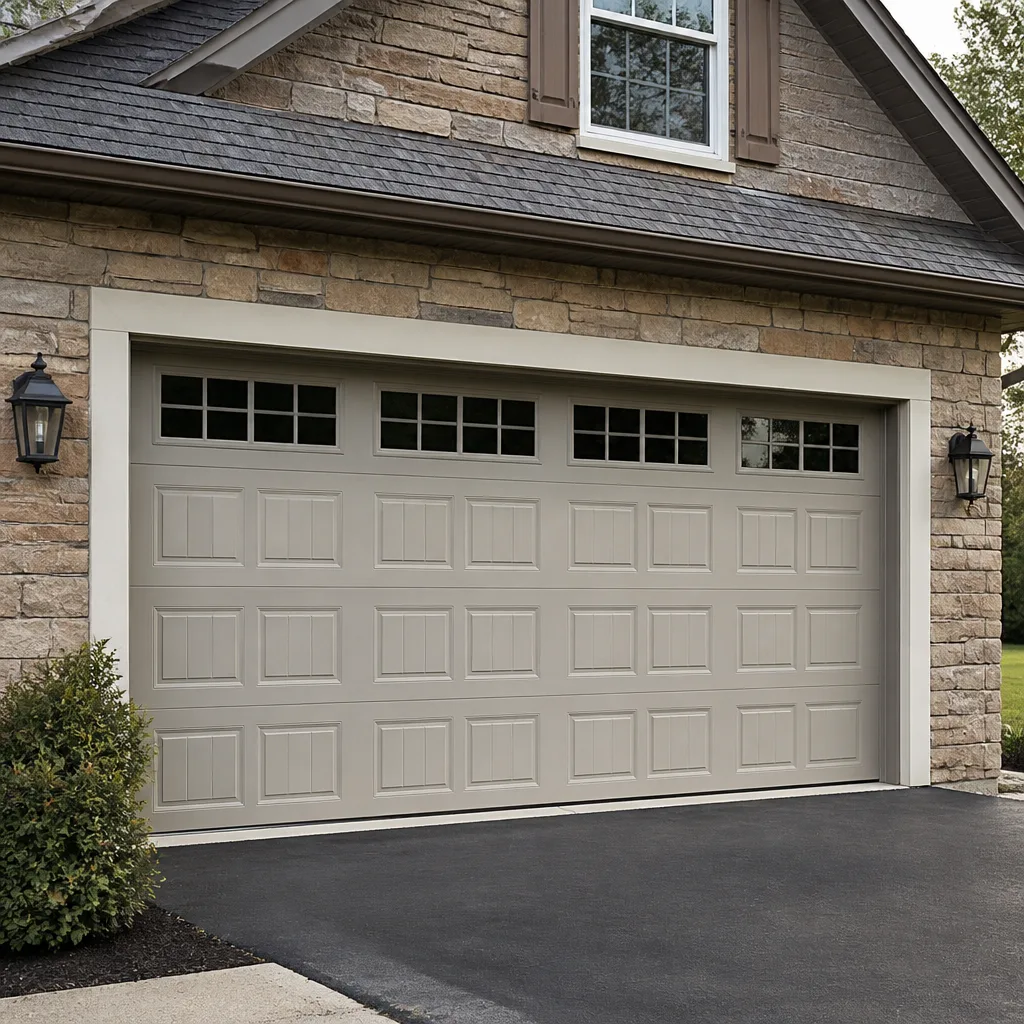 Raised-panel steel
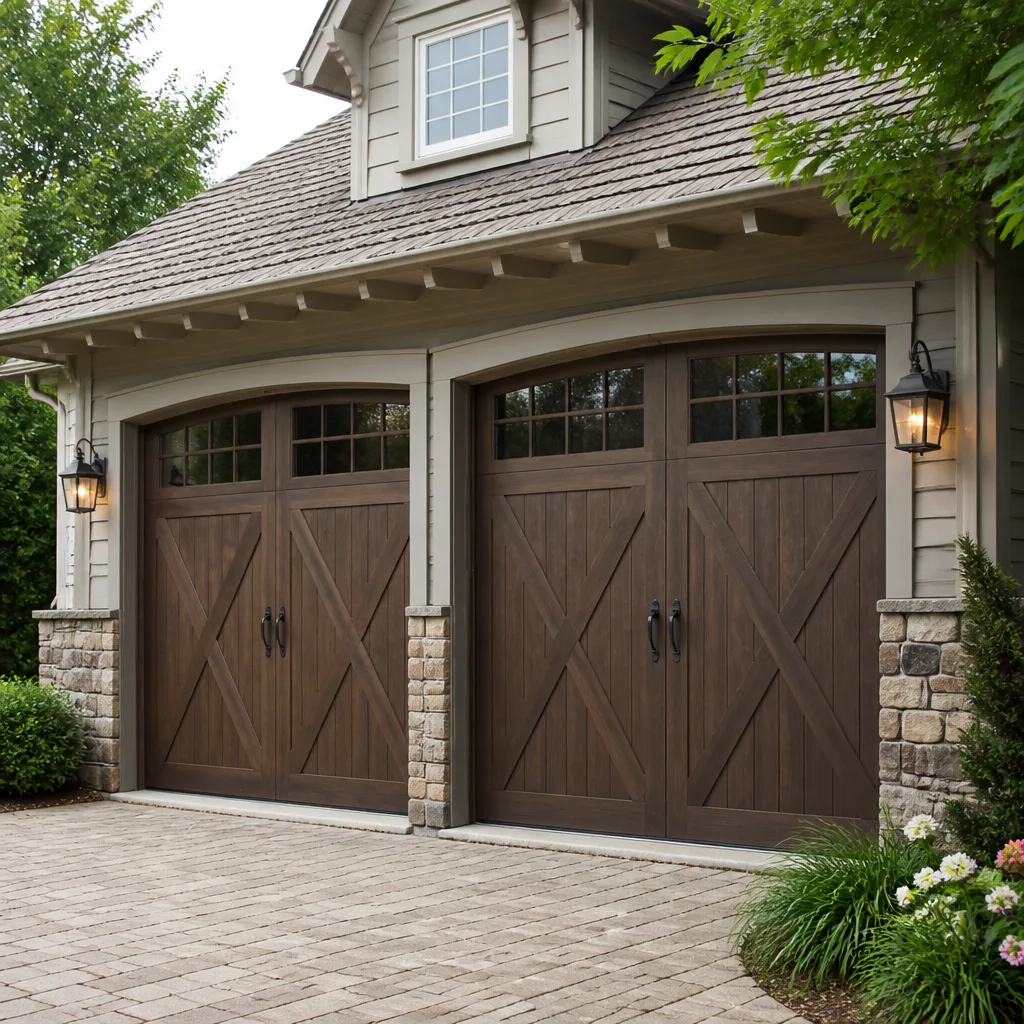 Carriage house
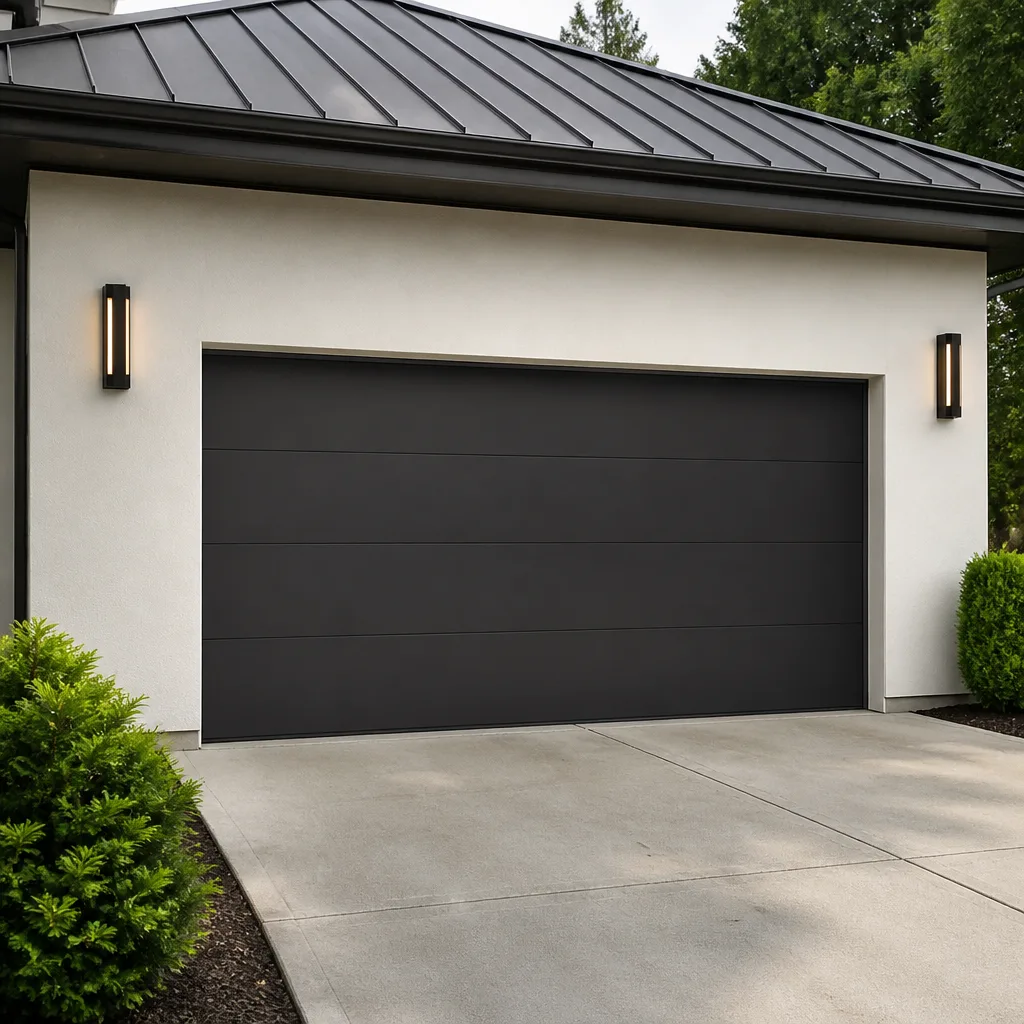 Modern flush
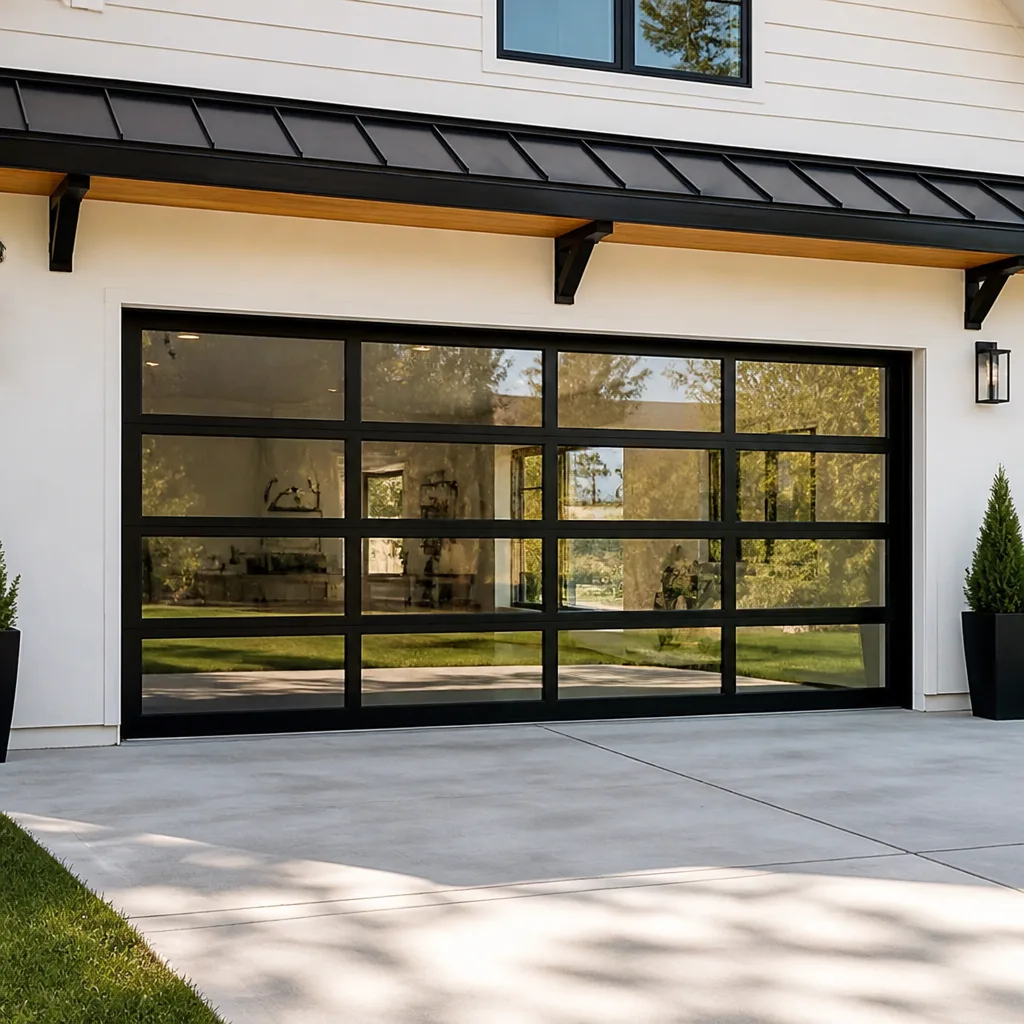 Full-view glass
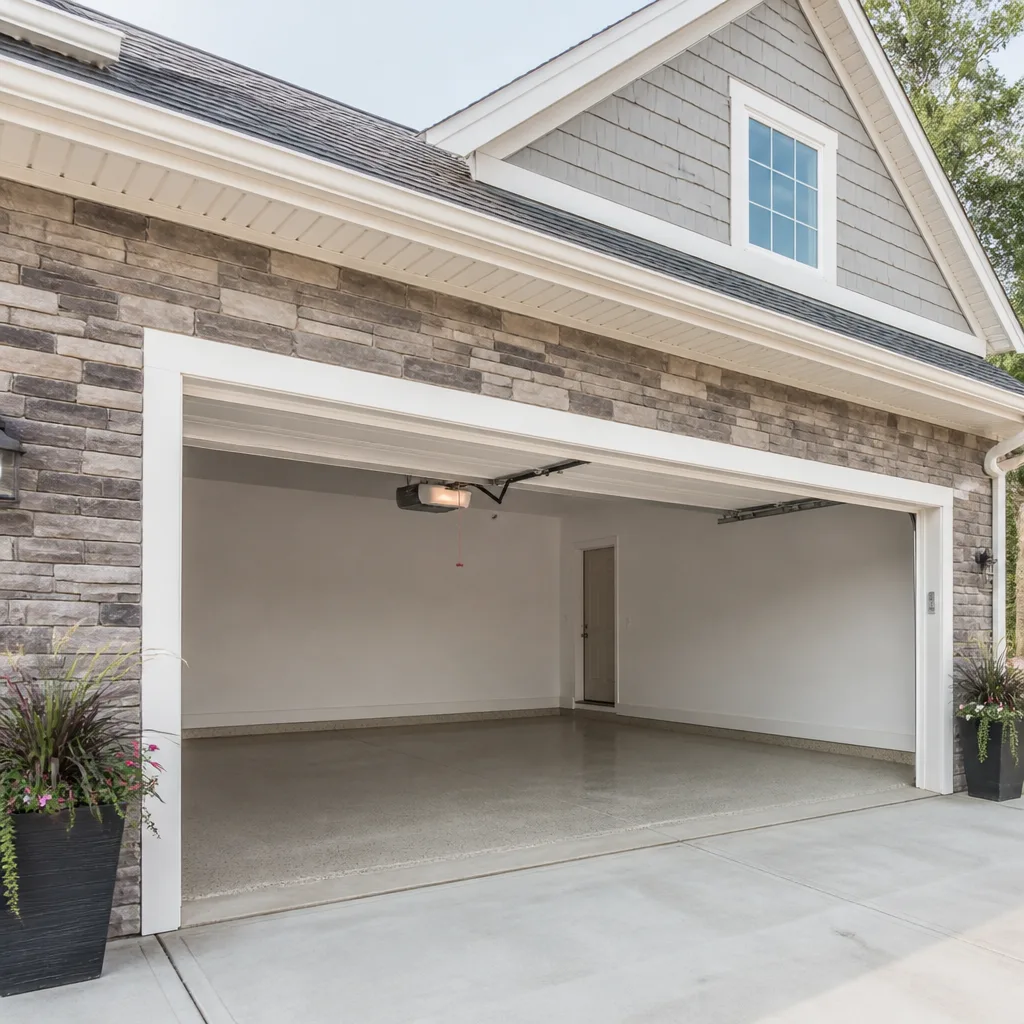 LiftMaster openers
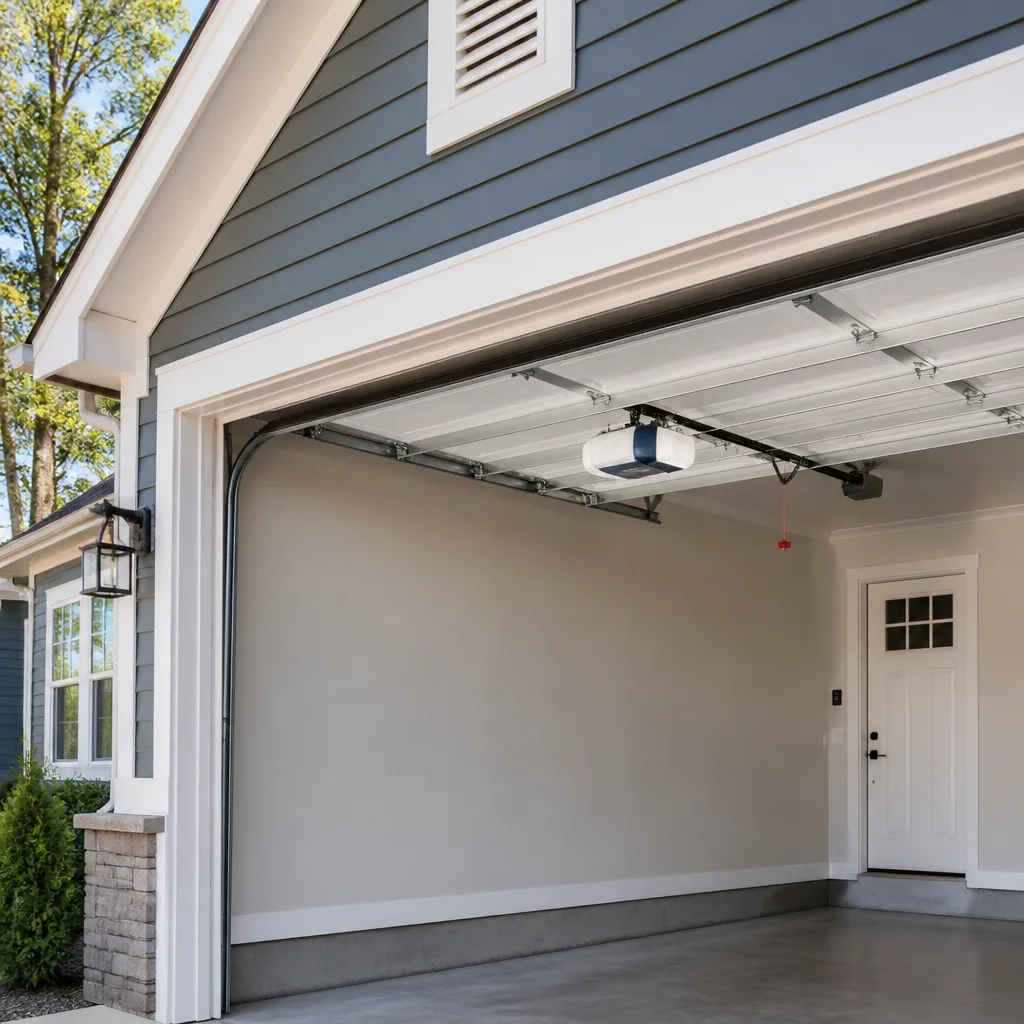 Chamberlain openers
Full 25-point door and opener safety check with every visit - springs, cables, rollers, tracks, and your LiftMaster or Chamberlain opener included
You get a price before we start. It does not change when the pro arrives.
Get your free estimateChoosing the Right Garage Door Brand: A Buyer’s Guide for Greensboro
Every major garage door brand sells a product that performs well when it’s correctly specified and installed. The trouble is that most homeowners get sold on brand reputation while the variables that actually decide how long a door lasts sit ignored: steel gauge, insulation rating, and whether the new door will talk to the opener you already own. A door in Greensboro has to shrug off humid summers, summer thunderstorms with driving rain, and pollen that packs into every seam, and the brand name on the box tells you almost nothing about how well any given model handles that. This guide compares the brands we service on the factors that matter locally and shows you how to read a spec sheet instead of a logo.
Quick Answer
There’s no single best garage door brand in Greensboro. The right choice comes down to three things: the size and structure of your opening, how your garage is built (attached or detached), and which opener system you already have. Clopay, Amarr, and Wayne Dalton each make strong doors across the price range, and the differences that matter most are panel gauge, insulation R-value, warranty exclusions, and local parts availability, not the name on the front.
Styles & brands we work with
- Raised-panel steel
- Carriage house
- Modern flush
- Full-view glass
- LiftMaster openers
- Chamberlain openers
Table of Contents
- What Actually Matters More Than the Brand Name
- Comparing the Brands We Service Side by Side
- Matching a Door Brand to Your Existing Opener
- Local Parts Availability in the Triad
- Insulation R-Value: Attached vs. Detached Garages in Greensboro
- What a Lifetime Warranty Really Covers
- How to Specify a Door: A Step-by-Step Process
- Why Installation Quality Decides Everything
What Actually Matters More Than the Brand Name
Four specifications decide how a garage door performs in Greensboro’s climate, and none of them appear in most advertisements. Buyers who walk into a showroom asking “which brand is best” leave with a brochure. Buyers who ask these four questions leave with a door that still works properly a decade from now.
- Panel gauge. Garage door steel is measured in gauge, and a lower number means thicker steel. A 24-gauge panel dents when a bicycle handlebar taps it. A 27-gauge door in a two-car opening with kids and lawn equipment in front of it will look tired within a few seasons. Ask for the gauge on the specific model, not the brand’s best door.
- Insulation type and R-value. A door with a thin vinyl backer and a printed R-value is marketing. A door with polyurethane foamed in place between two steel skins earns its number. We cover this in more depth below, because it matters more in Greensboro than in a mild coastal market.
- Finish and corrosion protection. Greensboro is not on the coast, so you don’t need a marine-grade package. You do need a properly primed and painted steel skin, because our summer humidity and afternoon storms will find any bare edge. Hot-dipped galvanized hardware and stainless or coated hinges and rollers hold up far longer than the plated hardware on budget doors.
- Warranty terms, read closely. A “lifetime” label means different things at every manufacturer. The exclusions matter more than the headline, and we explain how to read them below.
Brand matters, but it matters through these four columns on the spec sheet. Two doors with the same name on the front can be built to totally different standards depending on the model line and where the dealer sources them. When we diagnose a failing door, the model number and gauge tell us more about what happened than the manufacturer’s reputation does.
Comparing the Brands We Service Side by Side
We work on the door you have, which means our technicians see how each brand holds up after years of Greensboro weather. What follows is an honest read on the eight lines we service, grouped by what each does best. No single brand wins every category, and any dealer who tells you otherwise is selling inventory, not advice.
Clopay
Clopay covers the widest range of the brands we work on, from basic raised-panel steel to insulated carriage-house designs. Their mid-range doors typically land in the 24- to 25-gauge range with foamed-in insulation, and their higher lines step up to heavier steel. If you’re replacing a builder-grade door on a house in Irving Park or Lindley Park and want a range of styles without going custom, Clopay is a strong starting point. Their hardware is generally durable, and we know their track and hinge profiles well.
Amarr
Amarr is competitive on insulation and finish options, and their mid-range doors often come with a slightly better warranty on the finish than comparable models from other manufacturers. The hinges and rollers are usually solid. One thing we see: some Amarr models use a bottom bracket and cable configuration that is slightly less common than Clopay’s, which matters only if a part fails and needs to be ordered rather than sourced locally. That’s a planning point, not a reason to avoid the brand.
Wayne Dalton
Wayne Dalton makes a wide spread of doors, and their insulated models are solid for a detached garage or workshop. Their higher-end doors use polyurethane foam and get genuine thermal performance. Their lower lines are budget doors, and they should be judged as budget doors. If a Wayne Dalton door is specified correctly for the opening, it performs well; the failure stories we hear almost always trace back to a door installed too thin for the opening it covers.
Raynor
Raynor has a reputation for heavier-gauge steel and a build quality that reads as trade-grade rather than builder-grade. Their insulated doors are well sealed. Raynor is less common on Greensboro homes than Clopay, so parts can take longer to source, and we plan around that when a Raynor door needs a spring, cable, or hinge. If you already have a Raynor and it’s holding up, that’s a good sign about the door’s original specification.
Brands You’ll Hear About But We Don’t Service
CHI, Hormann, Doorlink, and Martin all make legitimate garage doors, and some of their lines are well built. Our honest recommendation is that if a dealer is pushing one of these and you can’t easily find service or parts locally, ask the dealer how a future repair gets handled. A brand is only as good as the service network behind it. We’ll always tell you what we work on and what we don’t, so you can make an informed call.
Matching a Door Brand to Your Existing Opener
This is the point most garage door guides skip, and it’s the one that causes the most headaches after a new door goes up. A new door and an old opener can be a bad match even when both are in good working order. A door that’s heavier than the old one can overload an opener rated for a lighter door. A door with a different balance and travel profile can confuse the opener’s safety and travel limits. And a door that seals more tightly can store more energy in its springs, which changes the force profile the opener sees.
Here’s the practical protocol, in order:
- Identify your opener’s make and model. The label is usually on the back of the motor housing or under the light cover. LiftMaster and Chamberlain models share a great deal of architecture and are the two most widely installed smart opener platforms. Craftsman is built on similar, older engineering and is still common in Greensboro homes. Genie is the other major platform and appears in plenty of installs.
- Check the door’s weight rating. Your new door (with hardware) has a published weight. The opener has a lift rating. If the new door is heavier, the opener needs replacing, full stop.
- Check safety-reverse compatibility. Modern openers use a photo-eye safety system, and the beam must reach across the opening at the correct height relative to the new door’s bottom section. Some doors’ bottom profiles sit differently, and the brackets may need repositioning.
- Check whether you want smart integration to keep working. If you rely on a LiftMaster or Chamberlain app to open and close the door, replacing the door doesn’t affect that, but replacing the opener with a different brand will. We can match a replacement opener to your existing smart setup so nothing gets orphaned.
If you’re already experiencing opener trouble, this is a good moment to handle it. Our garage door opener repair team can assess the existing unit and tell you whether it’s worth pairing with a new door or replacing alongside one. That’s part of what we mean by garage door repair done once and done right: the door and the opener are one system, and they get treated that way.
Local Parts Availability in the Triad
This is the most overlooked brand decision, and it has nothing to do with the door’s appearance. When a hinge snaps, a roller wears flat, or a spring lets go, you want the replacement part in hand quickly. Some part profiles are stocked by every distributor in the Greensboro-Triad area; others have to be ordered and may take several business days to arrive.
What we see in practice:
- Widely available locally: Clopay and Amarr parts are carried by most distributors in the Triad region. Standard hinges, rollers, and spring wire sizes for these brands are usually a same-day or next-day item.
- Available but not everywhere: Wayne Dalton and Raynor parts are obtainable but often require a specific distributor to order them. Standard hardware usually turns up, but brand-specific end plates, bottom brackets, or curved track sections take planning.
- Opener parts: LiftMaster and Chamberlain logic boards, gears, and safety sensors are broadly available locally. Genie is close behind. Craftsman’s older hardware is common enough but some discontinued models require hunting.
The practical takeaway: if you want the fastest possible future repairs, favor brands that have real local parts depth. If you’ve fallen in love with a specific door from a less common brand, that’s fine, but ask your installer how a future repair would be sourced. That question alone separates a dealer who’s selling inventory from one who’s thinking about your door in five years.
Insulation R-Value: Attached vs. Detached Garages in Greensboro
Garage door insulation gets sold with big numbers and vague promises. What actually matters is where the garage sits relative to the rest of the house. A garage door in Greensboro faces a climate with warm, humid summers and cool-to-cold winters, and the right insulation answer is different for an attached garage than for a detached one.
Attached garages
An attached garage shares at least one wall (often two) with the conditioned house. The garage itself is usually unconditioned, but the wall between garage and living space is an insulated thermal boundary. That means the garage interior temperature still swings, and a poorly insulated door lets that swing happen faster. A foamed-in-polyurethane door earns its R-value here, because the foam keeps the garage closer to the interior temperature and reduces the load the wall has to handle. In an attached garage with a bedroom or bonus room above it, a well-insulated door is not a luxury; it makes the room over the garage noticeably more comfortable in both summer and winter.
Detached garages
A detached garage is a different problem. It’s fully exposed on all four sides and its roof. Insulating the door only slows the temperature swing; it doesn’t stop it unless the building envelope is also tight. For a detached garage used as a workshop or for storage you want to keep above freezing, a modest insulated door paired with proper weatherstripping often does more than a high R-value door on a leaky building. Don’t buy the biggest R-value number on the market for a detached garage that leaks air at the sill.
What “meaningful insulation” actually looks like
- Foamed-in polyurethane between two steel skins gives real thermal resistance and adds structural stiffness to the panel. This is what earns the number.
- Polystyrene boards sandwiched in a pan door give a lower but still real benefit. Heavier, but useful.
- Vinyl backer or “insulated” labeling with no foamed core is marketing. It looks like insulation from the outside but does almost nothing thermally. Ask to see a cross-section.
Our technicians have up to 14 years of experience reading these spec sheets in the field, so we can tell you which R-value numbers are earned and which are paper. If you’re weighing an insulated door against a non-insulated one on a Greensboro home, the choice usually comes down to whether the garage shares a wall with a conditioned room and whether you park in it or work in it.
What a Lifetime Warranty Really Covers
Nearly every garage door manufacturer offers a “lifetime” warranty on something, and the word “lifetime” is doing a lot of work in those brochures. Lifetime almost never means the whole door for the rest of your life. It usually means a specific component, for a specific period, under specific conditions that may or may not match how you use the door.
Here’s what to look for in the fine print:
- What component is covered? Some warranties cover the steel panel against rust-through for a lifetime but exclude the paint finish after a year or two. Others cover the springs for a few years. Read each line and note what’s inside and what’s outside.
- Prorated vs. non-prorated. A prorated warranty reduces the manufacturer’s responsibility over time. A 10-year prorated spring warranty might cover 100% in year one and 10% in year ten. That’s not the same as a full replacement.
- Who pays labor? Many “lifetime” warranties cover the part, not the labor to install it. A free replacement part plus a labor bill is not the same as a free repair.
- Exclusions. Typical exclusions include damage from a car strike, dents, improper installation, use of non-original parts, and doors installed outside the manufacturer’s specified environment. If the installer didn’t follow the specification exactly, the warranty can be voided without your knowing it.
- Finish warranties. These are usually the shortest, often a few years. If paint fade matters to you, look at the finish warranty specifically, not the structural one.
- Transferability. Some warranties transfer to a new owner of the home; many don’t. If you’re buying a house with a recent door, get the original warranty paperwork in the sale.
None of this is a reason to skip a warranty. It’s a reason to read it before you buy. In our experience, a door with a solid mid-range warranty and a good installer beats a door with a flashy lifetime warranty that excludes everything a homeowner actually calls about.
How to Specify a Door: A Step-by-Step Process
Specifying the right door is the most valuable skill a homeowner can build. It’s how you avoid buying a brand-new door that has to be replaced in a few years. Here’s the sequence we walk homeowners through in Greensboro:
- Measure the opening correctly. Measure the width and height of the rough opening, not the door itself. Note any obstructions overhead (ducts, pipes, soffit) that limit how the door can track back into the garage.
- Classify the garage. Attached or detached. Conditioned or unconditioned. Shared wall with living space or bedroom above. This determines the insulation strategy.
- Identify the opener. Make, model, weight rating, and whether smart integration matters. Note whether the safety-eyes and wall control are wired in a way that constrains the door’s bottom profile.
- Pick the gauge for the duty. Two-car, active household, kids and bikes: heavier gauge, quality hardware. One-car, lightly used: standard gauge is usually fine. A door over a family room gets a step up.
- Pick the insulation for the building envelope. Foamed-in polyurethane for attached garages and any garage over or beside living space. Pan-style insulation at most for a detached garage that isn’t otherwise sealed.
- Confirm finish and color against the house. Look at samples in daylight, not under showroom lighting. Greensboro’s sun and shade patterns vary across the day and change how a color reads.
- Read the warranty before signing. Ask the installer to point out the exclusions. If any exclusion isn’t clear, ask.
- Confirm the installer. Ask who’s doing the installation and what happens if a warranty issue comes up. The installer’s competence is worth more than the door’s marketing.
If you’d like a free measure and a written price, our team at Tandem Garage Door Repair walks through this list with you. Installation is measured, ordered, and scheduled, so the price you agree to is the price you pay when the door goes on.
Why Installation Quality Decides Everything
A premium door installed poorly performs like a budget door. Tracks out of level. Hinges torqued wrong. Springs wound to the wrong tension. An opener limit set by guess instead of by measurement. Every one of these turns a good door into a door that binds, rattles, fails early, or leaves gaps that let Greensboro’s humid summer air into the garage. We’ve seen more problems introduced by a rushed installation than by any brand’s door design, and this is why we treat a new door as a system that has to be tuned as a whole.
Two practical habits protect you here. First, ask your installer what they do to verify balance and safety-reverse after the install. A properly installed door should balance at the halfway point with the opener disengaged, and the safety-eye system should reverse the door on contact with an obstruction. Second, ask for the door model number and the warranty paperwork in writing, along with a record of any springs or parts the installer replaced or adjusted.
The garage door springs and cables that hold a door up under tension are genuinely dangerous components. Springs carry hundreds of pounds of force, and a cable under tension can cause serious injury if it lets go unexpectedly. Never attempt to adjust the cables, wind springs, or work on the torsion assembly yourself. That’s a job for a trained technician every time. If something feels wrong with the balance or the tension, call us and we’ll diagnose it.
For homeowners in Greensboro, our brand coverage across Clopay, Amarr, Wayne Dalton, Raynor, LiftMaster, Chamberlain, Genie, and Craftsman means we’re working on the actual door and opener you have, not a close approximation. If the door is repairable, we’ll tell you. If it has to be replaced, we’ll tell you that too, and we’ll explain why instead of guessing.
Common Mistakes to Avoid
- Buying on brand reputation alone. A respected name on a budget line is still a budget door. Always look at the model number and the gauge, not the logo. Otherwise you’re paying for a name on a panel that won’t hold up.
- Installing a new door on an opener that’s not rated for it. A heavier door on an under-rated opener strains the motor, wears the gears, and can fail the safety-reverse test. Check the rating before you commit.
- Choosing the highest R-value without reading the construction. A high number on a vinyl-backed door is not the same as foamed-in polyurethane. Ask to see a cutaway or a spec sheet that names the insulation type.
- Ignoring local parts availability. A less common brand with no local distributor means a longer wait when something fails. In Greensboro’s heat and humidity, a failed spring in July is not the time to hear “we can order that part.”
- Assuming “lifetime” means the whole door. Read the exclusions on the paint finish, labor, and consumer-induced damage before buying. The number that matters is what the warranty actually delivers when something breaks.
- Skipping the installer question. A great door installed wrong costs you more than a modest door installed right. Ask what happens if the balance, safety reverse, or weather seal isn’t correct after install.
- Booking installation in the middle of storm season without a plan. Greensboro’s summer storms create scheduling pressure for installers. Get your measure and written estimate in advance so a rushed install isn’t on the menu.
See the difference
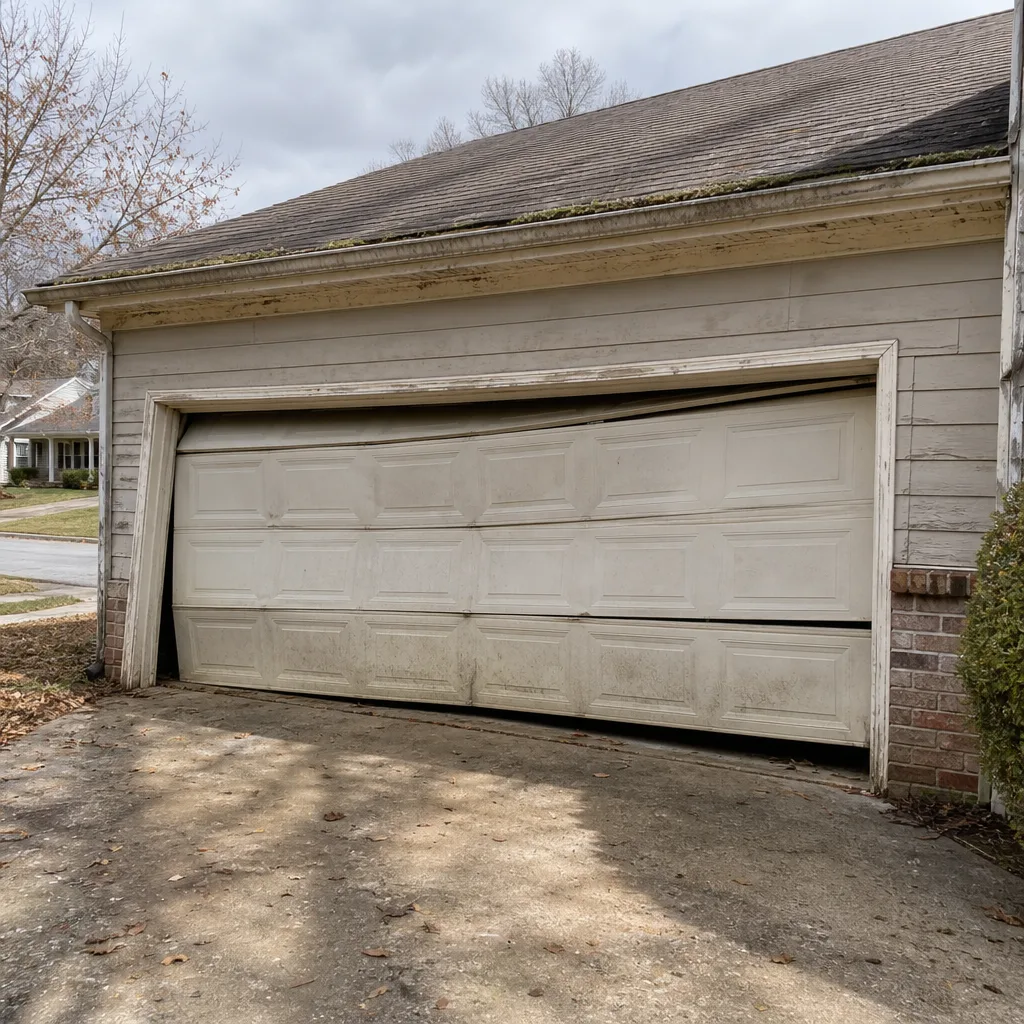 Before
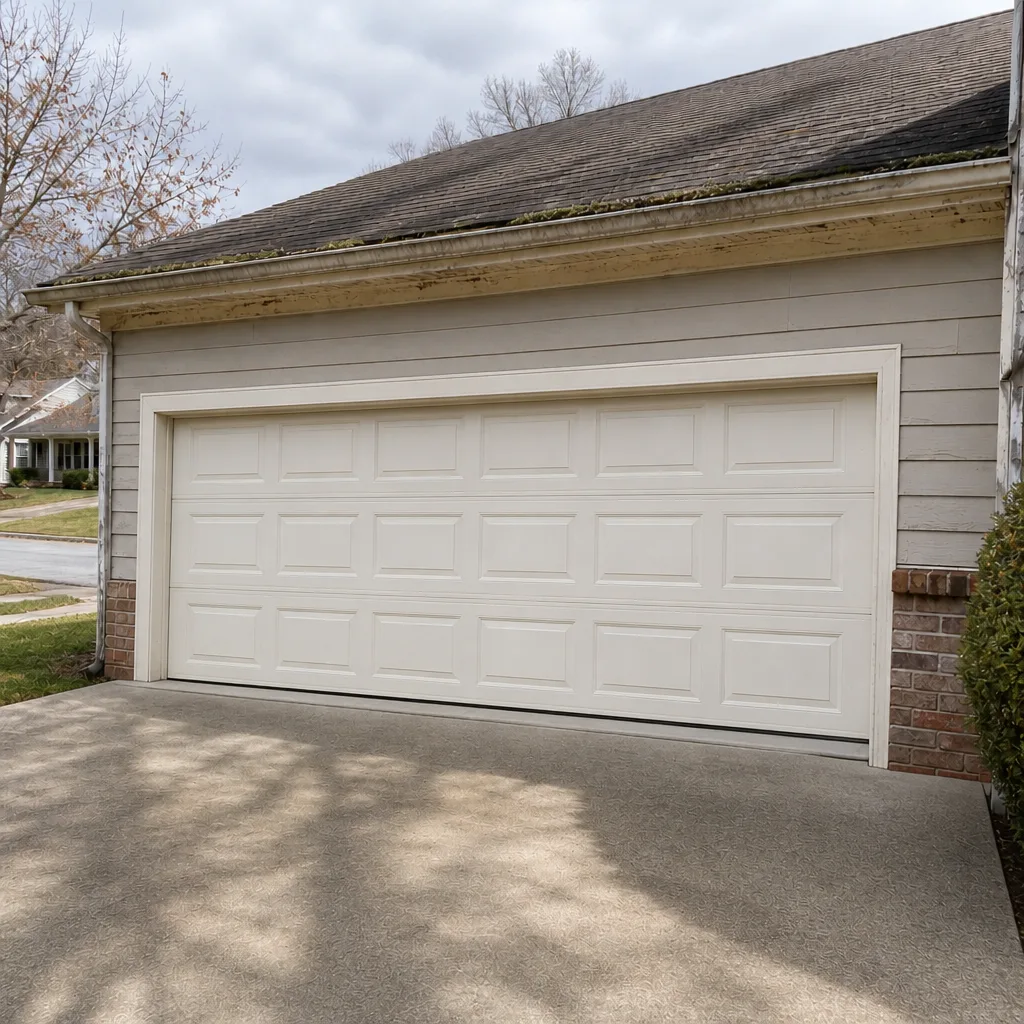 After
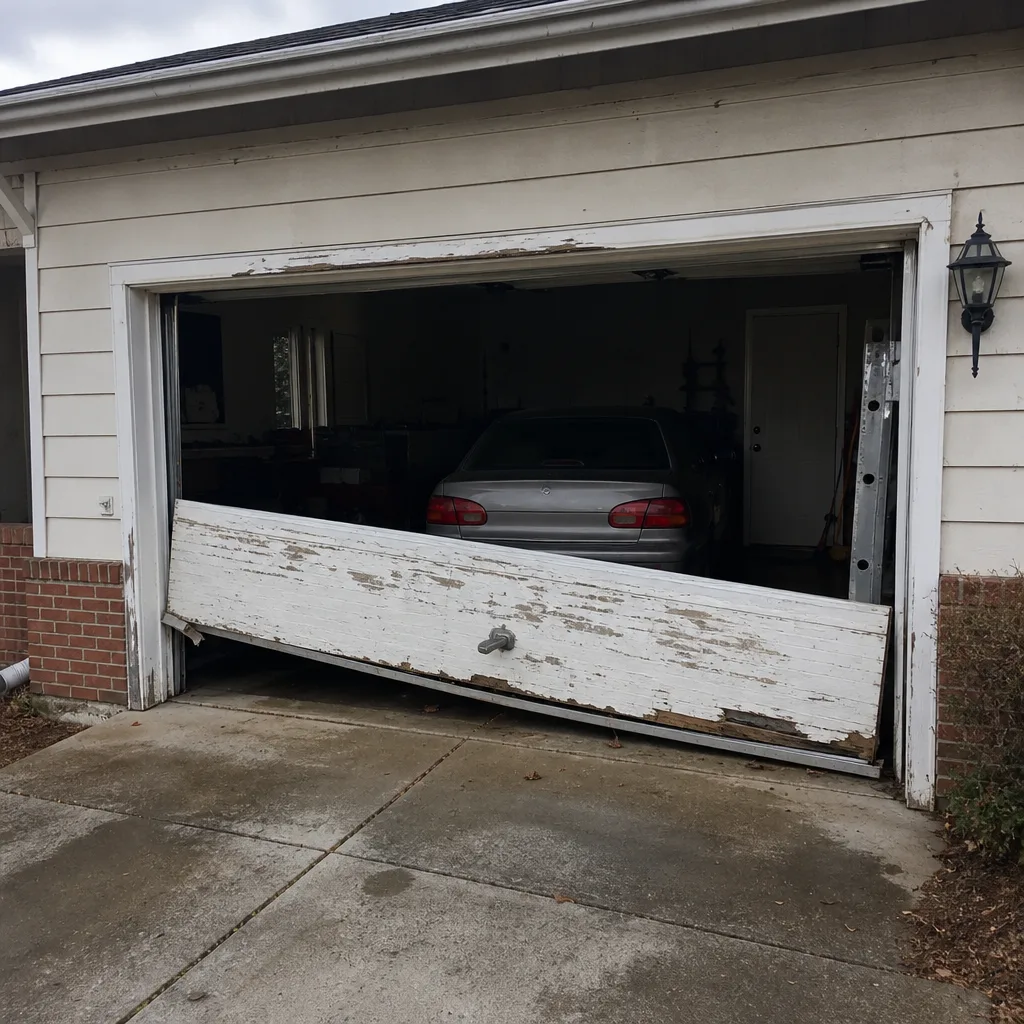 Before
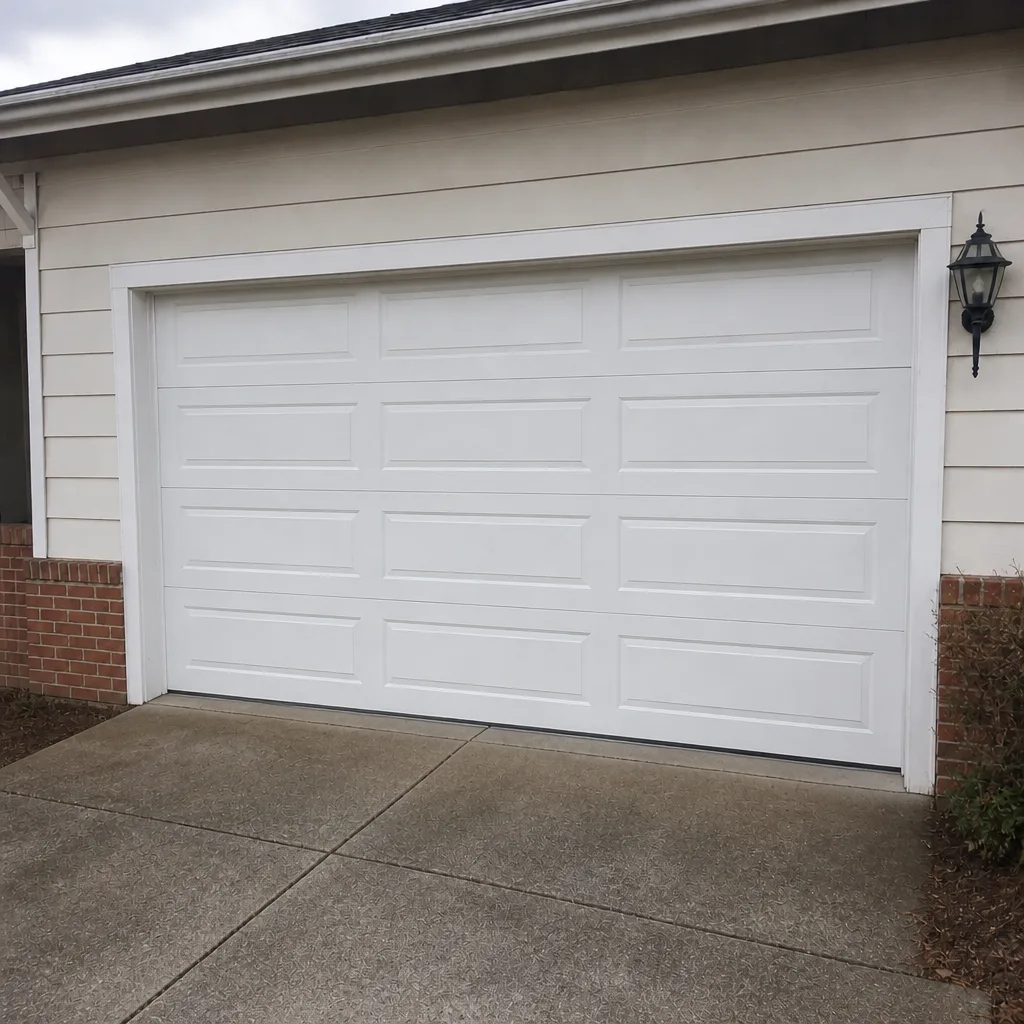 After
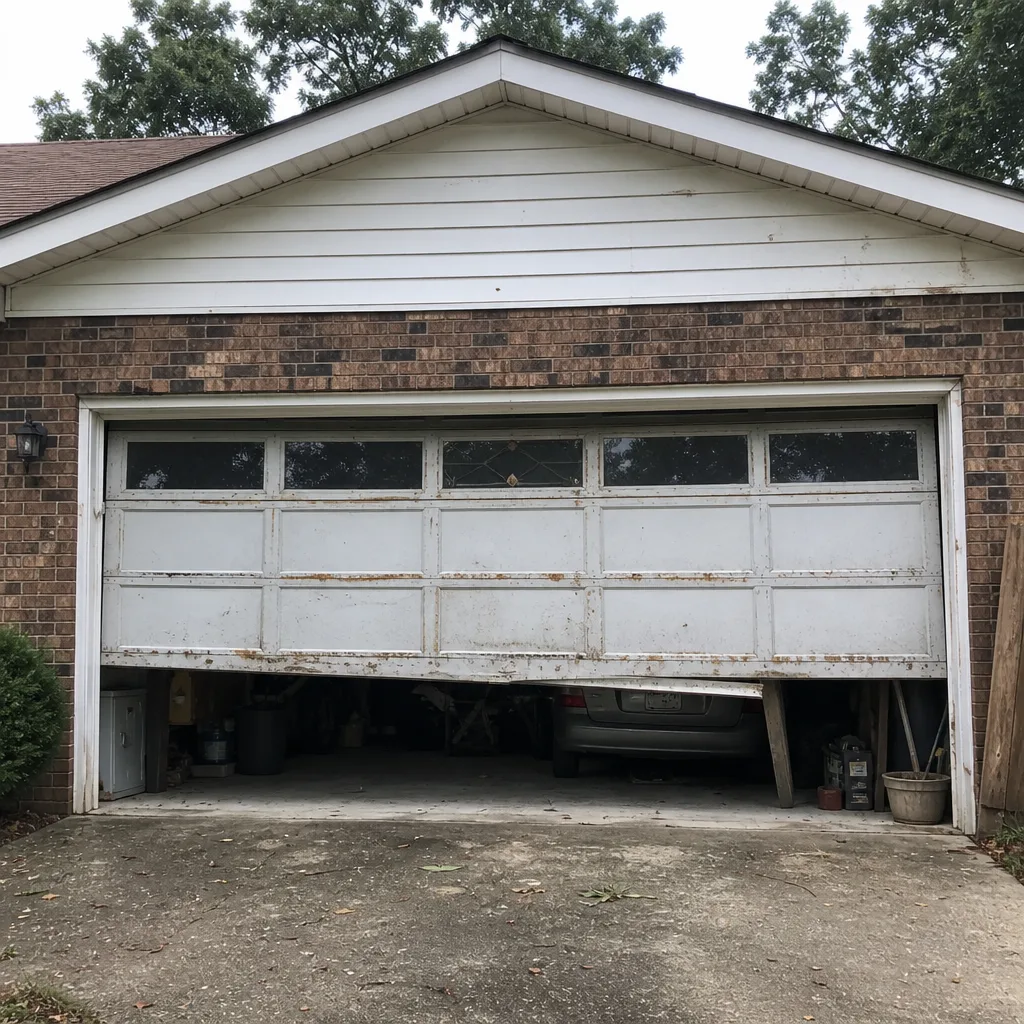 Before
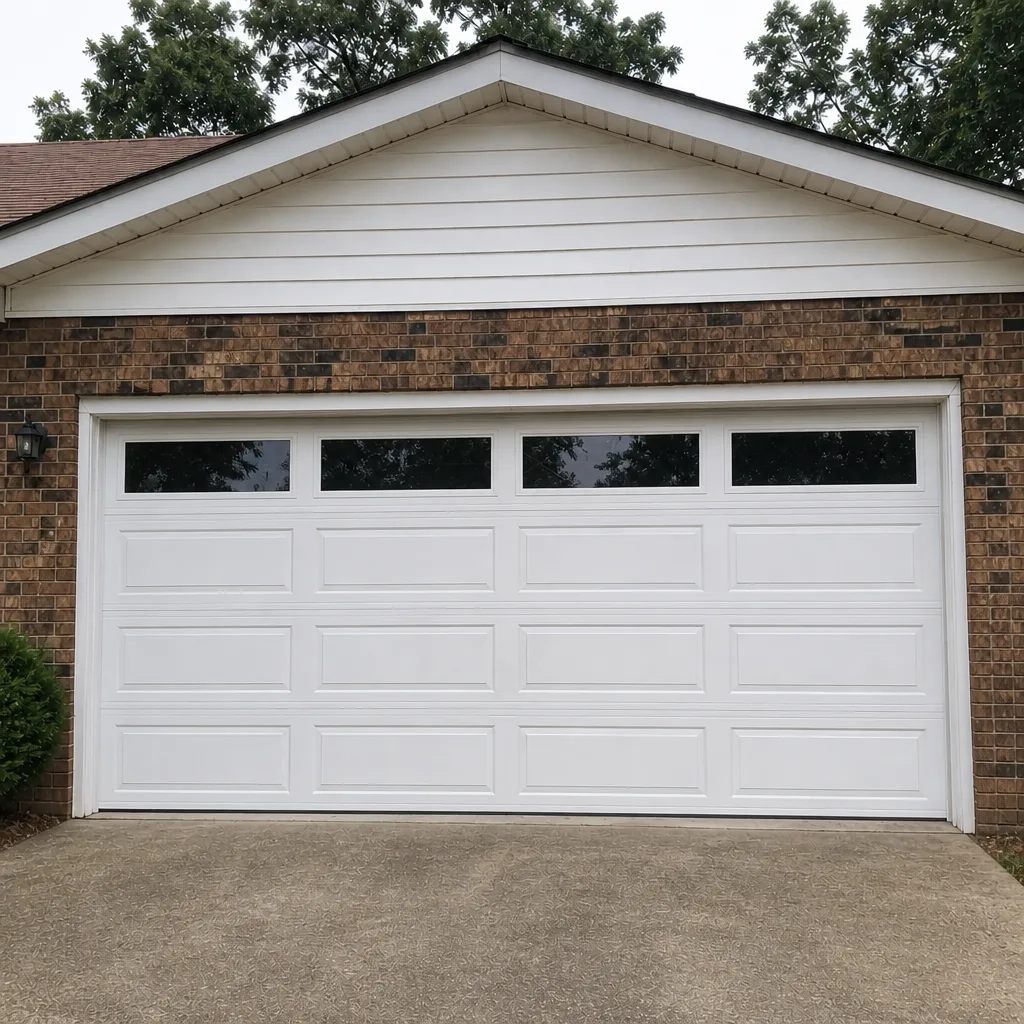 After
When to Call a Professional
Some door problems are cosmetic. Others are safety issues that get worse with every cycle. Call a professional if you notice the door binding or jerking as it moves, if the opener reverses for no apparent reason, if a cable is frayed or has come off its drum, if any part of the torsion assembly is visibly bent or loose, or if the door doesn’t balance at the halfway point when you disengage the opener. Also call us if you’re planning a replacement and want a correct specification before you commit. Tandem Garage Door Repair offers free estimates in Greensboro. Call (855) 554-0021. We answer 24/7. Fast dispatch from 7am to 7pm, Sunday through Friday. We’re closed on Saturdays.
Frequently Asked Questions
There isn’t one universal best brand. Clopay, Amarr, and Wayne Dalton each make strong doors across the price range, and the choice comes down to your opening, your insulation needs, and your existing opener. For a typical Greensboro home with an attached garage, a foamed-in-polyurethane Clopay or Amarr door in a heavier gauge is a well-rounded choice. Call (855) 554-0021 for a free estimate; the right specification depends on your specific opening and opener.
No. Garage door brands and opener brands are independent, and manufacturers don’t require matching. What matters is whether the opener’s lift rating and safety-reverse system work with the new door’s weight and bottom profile. LiftMaster, Chamberlain, Genie, and Craftsman openers can all pair with Clopay, Amarr, Wayne Dalton, or Raynor doors if they’re specified correctly. If you’re unsure, call (855) 554-0021 and we’ll check compatibility for you.
Yes, if the garage is attached to your house or has a room above it. Greensboro’s summer heat makes a poorly insulated garage hot enough to strain the room above, and an earned R-value from foamed-in polyurethane helps. For a detached garage that isn’t otherwise sealed, a modestly insulated door plus good weatherstripping is a better use of money than a high R-value number. Call (855) 554-0021 for a free measure and written price on both options.
It means a specific component is covered for a specific period under conditions defined in the fine print, not the whole door for the rest of your life. Typical exclusions include paint finish after a few years, labor, damage from car strikes or dents, and any installation that didn’t follow the manufacturer’s specification. Read the exclusions before you buy.
Clopay and Amarr parts are the most widely stocked by distributors in the Greensboro-Triad area, so standard hardware tends to be a same-day or next-day item. Wayne Dalton and Raynor parts are obtainable but often need to be ordered through a specific distributor, which adds time when something fails. For openers, LiftMaster and Chamberlain share a lot of architecture and parts are broadly stocked. Call (855) 554-0021 and we’ll tell you how a specific repair would be sourced.
No. The written estimate sets the price for the work described. If we find something different once we’re on site, we’ll talk with you about it and get agreement before any work starts, never surprise you with a bigger invoice. Tandem Garage Door Repair provides free estimates in Greensboro. Call (855) 554-0021 to schedule your measure.
The Bottom Line
Brand names help at the edges, but the four numbers that decide a door’s life in Greensboro are gauge, insulation type and R-value, finish quality, and warranty exclusions. Get those right, match your door to your opener, and pick a brand with real local parts depth, and you’ll have a door that keeps working through Greensboro’s storms and humidity instead of failing early. When you’ve narrowed it down, call Tandem Garage Door Repair at (855) 554-0021 for a free estimate and a written price before any work starts. We work on the door you have, whichever label is on it.
Written by the team at Tandem Garage Door Repair.