
Last updated November 15, 2026
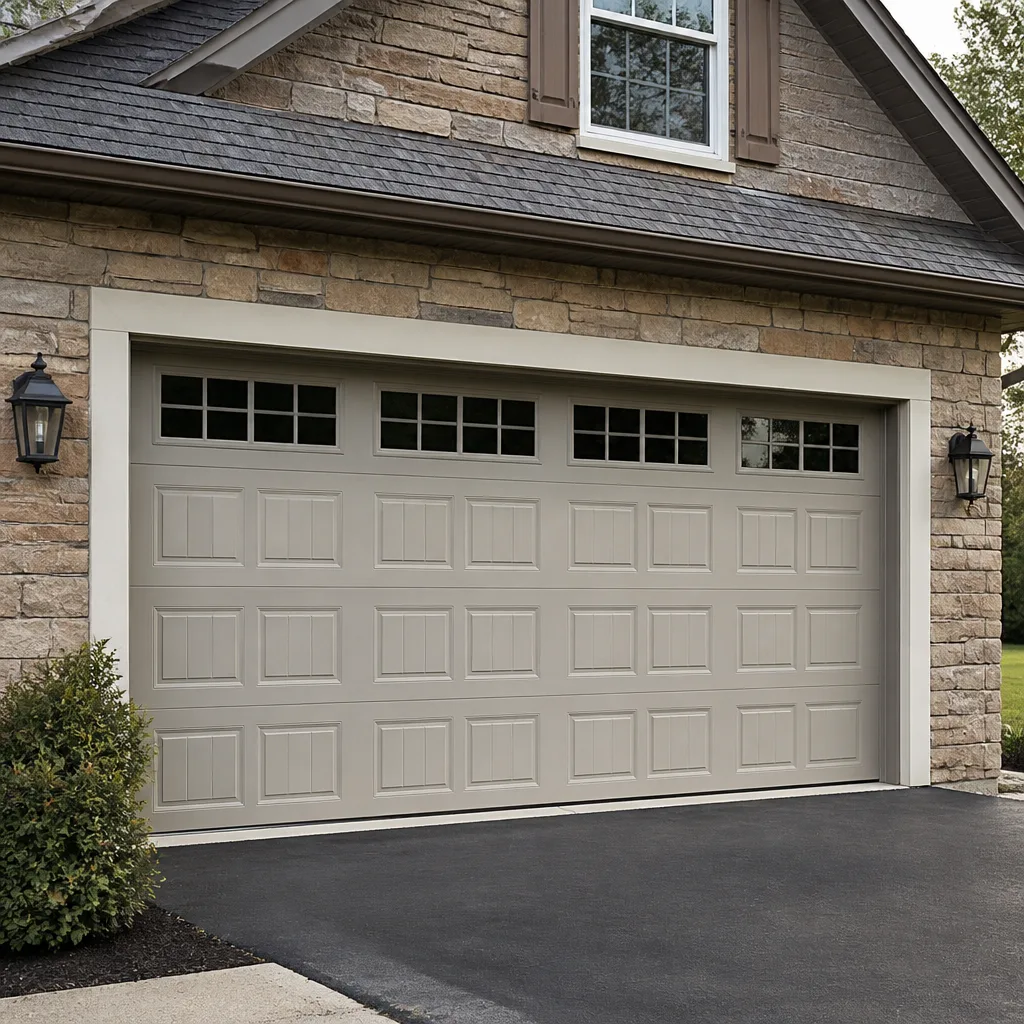 Raised-panel steel
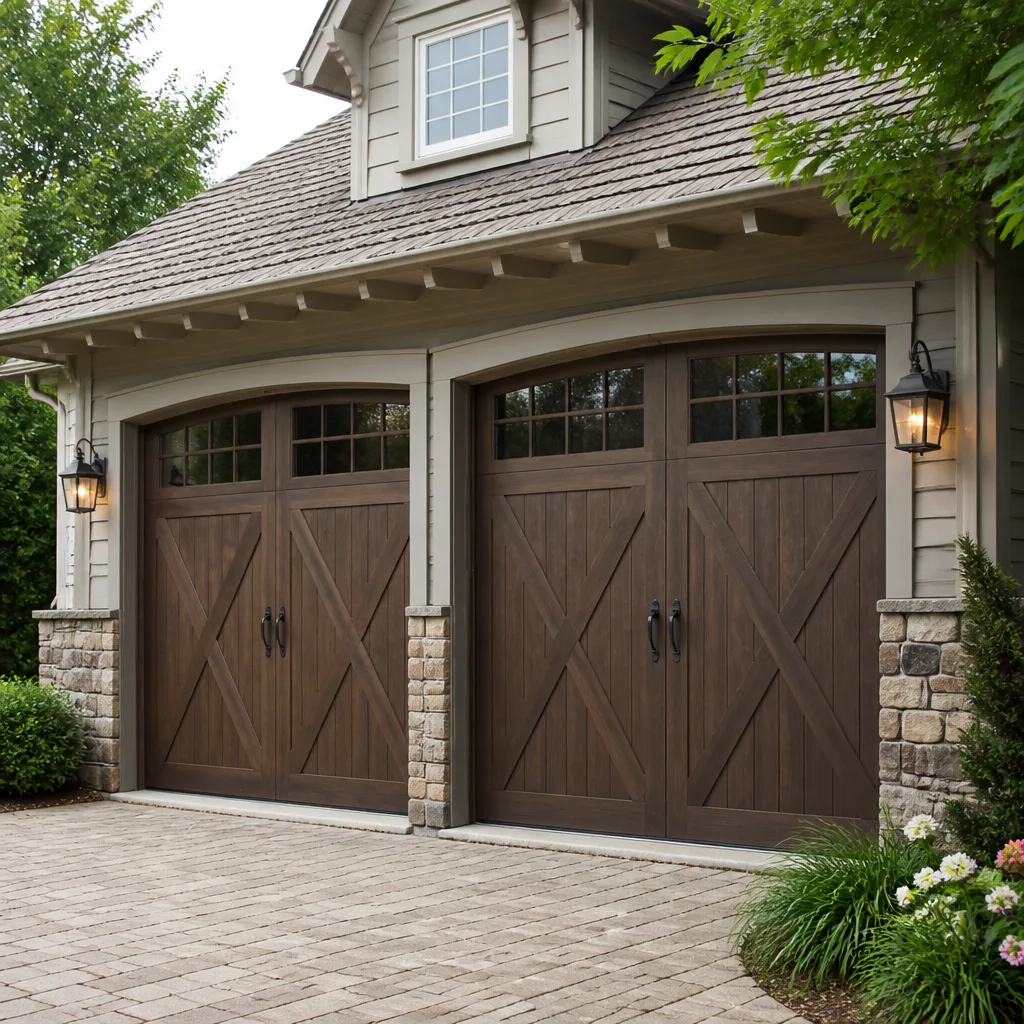 Carriage house
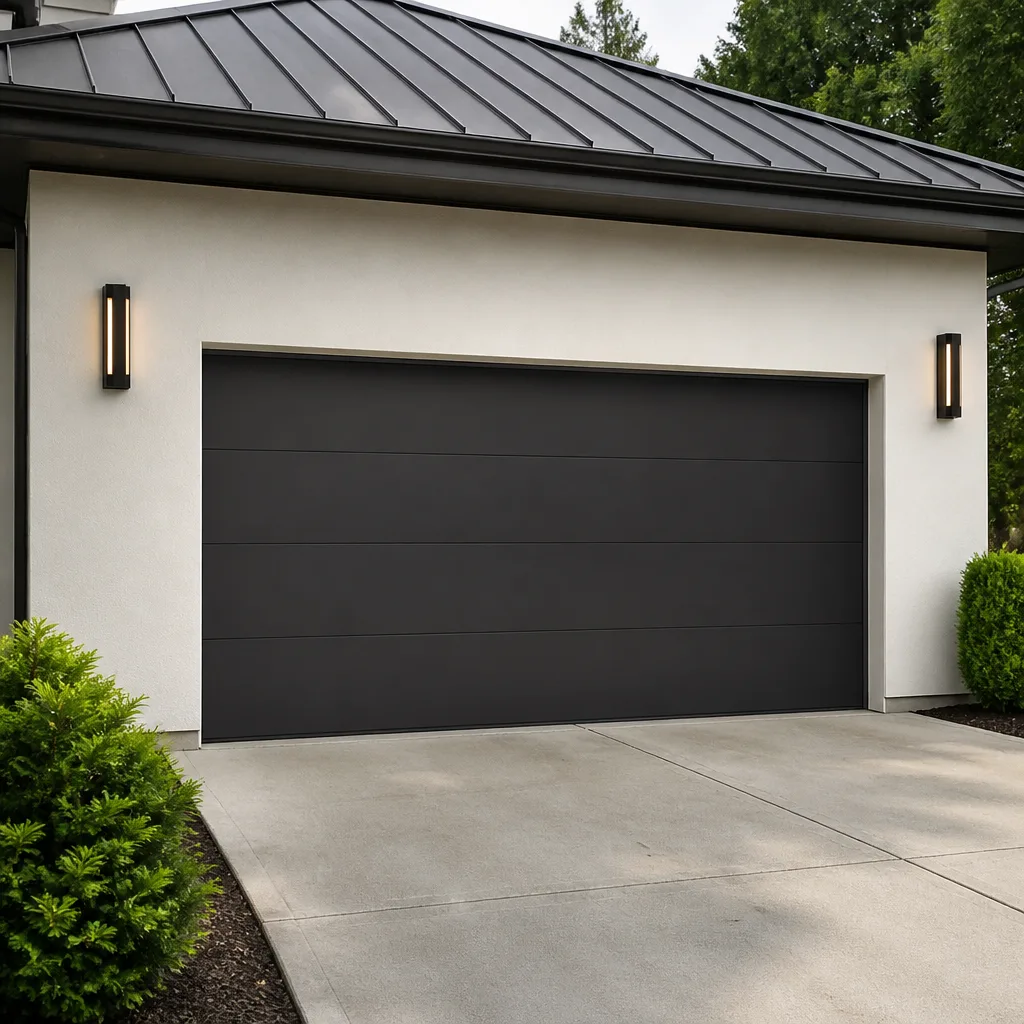 Modern flush
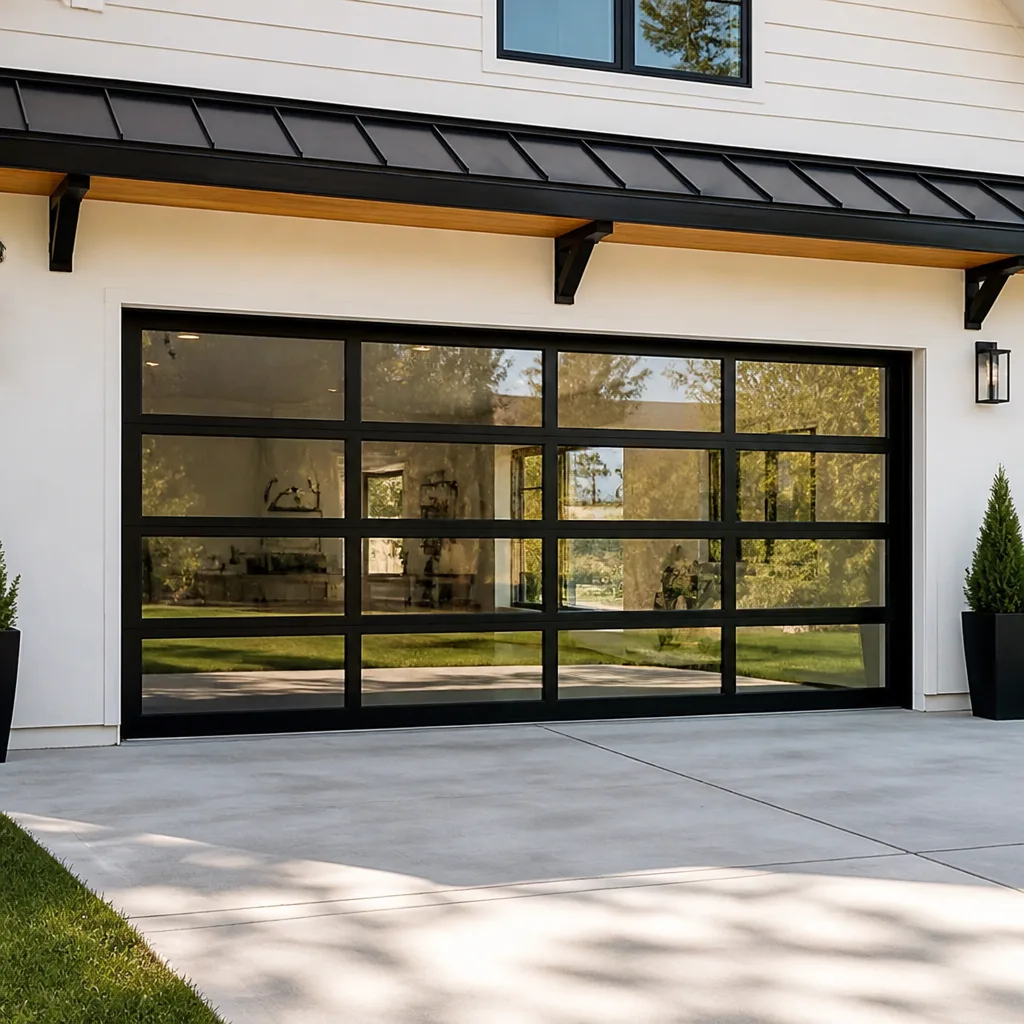 Full-view glass
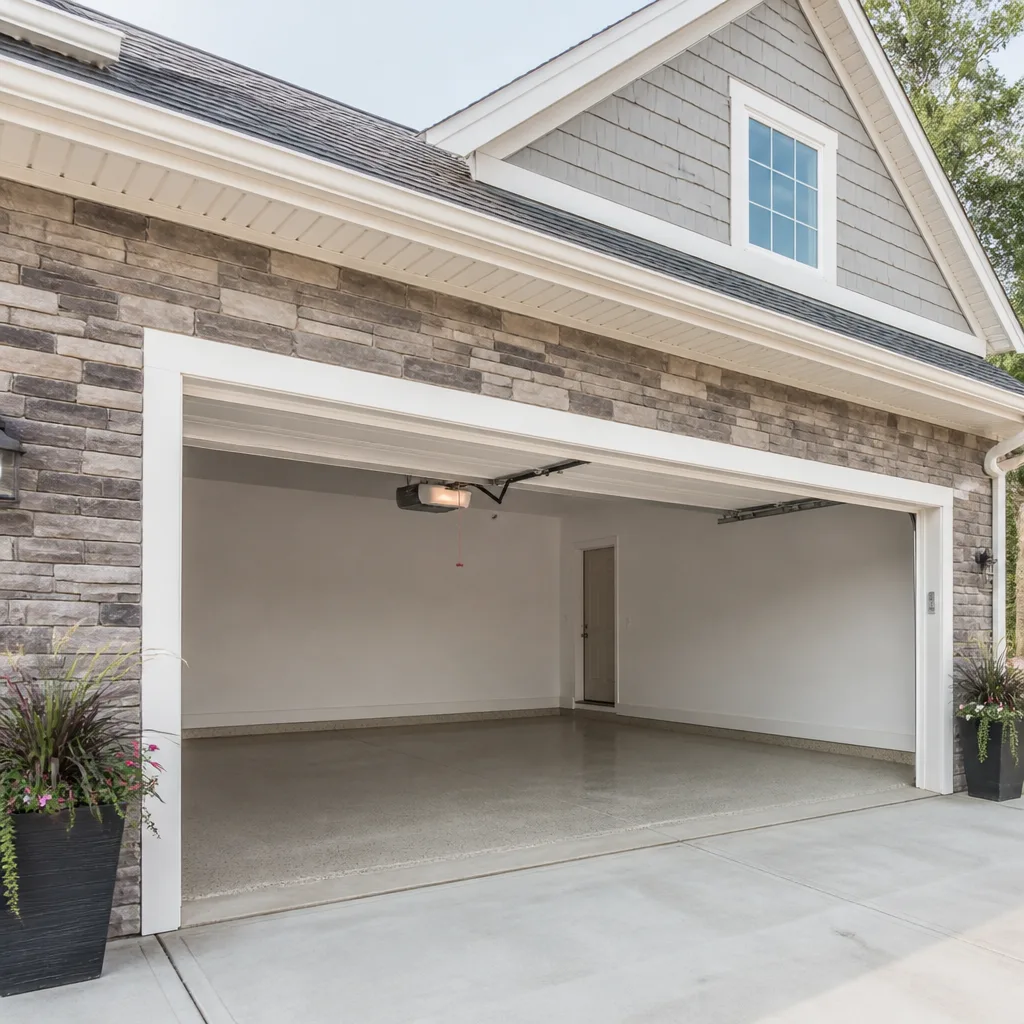 LiftMaster openers
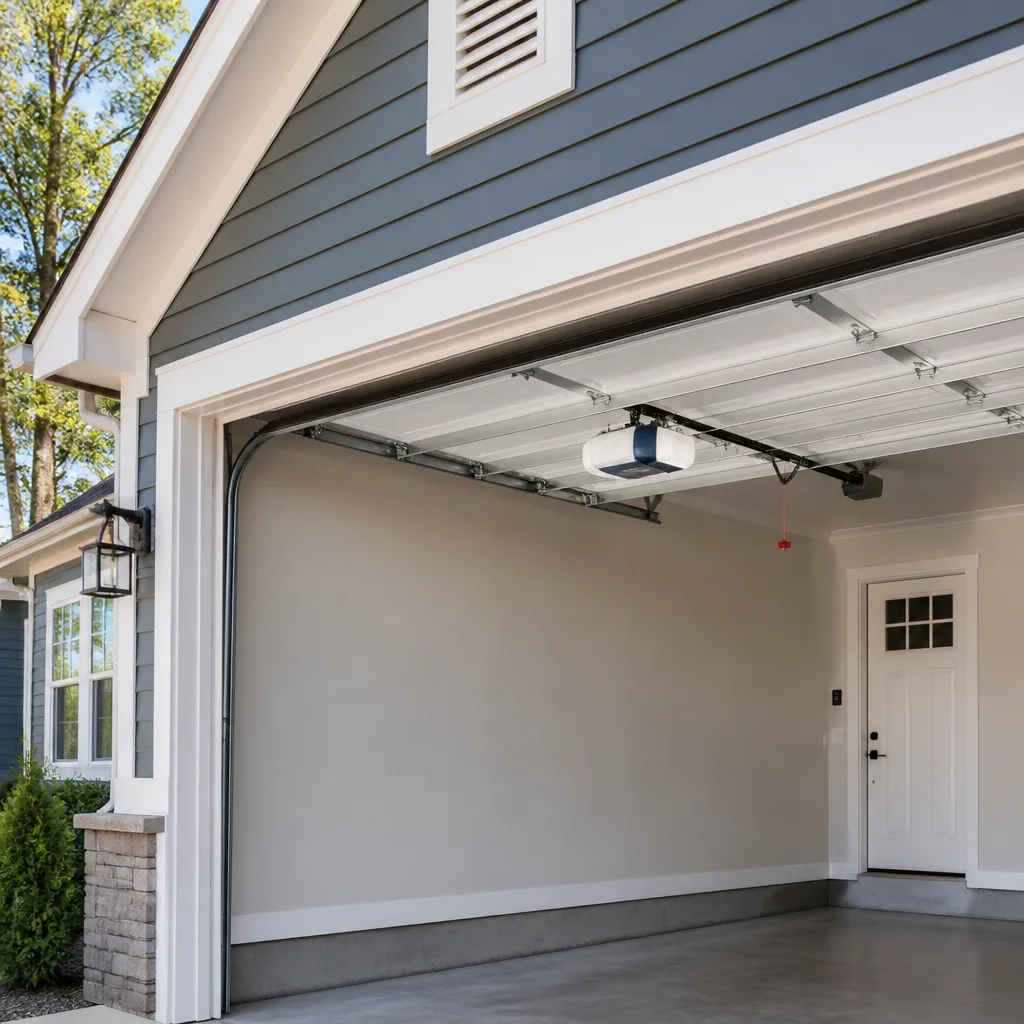 Chamberlain openers
Full 25-point door and opener safety check with every visit - springs, cables, rollers, tracks, and your LiftMaster or Chamberlain opener included
You get a price before we start. It does not change when the pro arrives.
Get your free estimateThe Complete Guide to Garage Doors in Greensboro
Most homeowners don’t learn what kind of garage door system they own until the day it stops working. That’s backwards. The average Greensboro home has carried the same door, springs, and opener for 12 to 18 years, which means a lot of people are one spring failure away from a repair they never budgeted for on a system they’ve never really looked at. This guide changes that. We’ll walk through the difference between torsion and extension springs, how to read the hardware on your door to figure out who made it, why the mix of older ranch homes and newer subdivisions in Greensboro creates door-size and clearance issues most guides skip, and what to write down now so you’re not guessing under pressure later. By the end you’ll know your system well enough to make a smart call, whether that’s a repair or a replacement.
Quick Answer
Most Greensboro homeowners don’t need to replace their garage door – they need to understand it first. A garage door is a system of four parts (the door panels, the springs that counterbalance the weight, the tracks and rollers that guide it, and the opener that lifts it), and any one of them can fail independently. Knowing which system you have, and which part is actually failing, is the difference between a targeted repair and an expensive guess. If you’re not sure what’s on your house, a technician can identify it in minutes – call (855) 554-0021 for a free estimate.
Styles & brands we work with
- Raised-panel steel
- Carriage house
- Modern flush
- Full-view glass
- LiftMaster openers
- Chamberlain openers
Table of Contents
- What Actually Makes Up a Garage Door System
- Torsion vs. Extension Springs: Which One Is on Your Door?
- How to Identify Your Door and Opener Without a Manual
- Why Greensboro’s Housing Mix Changes Your Door Options
- The Multi-Brand Household Problem
- What to Document Before You Ever Need a Repair
- Repair or Replace? How to Decide
- What Routine Maintenance Actually Prevents
What Actually Makes Up a Garage Door System
A garage door isn’t one thing. It’s four systems working together, and when something goes wrong, knowing which system failed tells you who to call and roughly what to expect. This is the piece most homeowners are missing when they pick up the phone.
The door itself is the panels – steel, aluminum, wood, or a composite – plus the hinges that connect them. Panel damage or a bent section is a door problem. The counterbalance system is the springs and cables. These do the heavy lifting, literally. They hold the door’s weight so a person (or a motor) can move it. The track and roller system guides the door up and down and keeps it aligned. The opener is the motor and the logic board that controls it, and on modern units it also handles safety sensors and, often, Wi-Fi connectivity.
Here’s why this matters. The symptoms homeowners describe – “it won’t close,” “it’s loud,” “it goes up a little then stops” – can come from any of those four systems. A door that reverses at the floor is usually a sensor or opener issue. A door that feels impossibly heavy is a spring problem. A door that grinds and shudders is usually tracks or rollers. When we diagnose, we’re isolating which system is responsible before touching anything, because replacing a part that wasn’t broken doesn’t fix the door.
In Greensboro, we see all four systems in play on a single street – a 1970s ranch with original extension springs next door to a 2010s subdivision home with a modern torsion setup and a smart opener. That variety is exactly why a brand-agnostic diagnosis beats a guess.
Torsion vs. Extension Springs: Which One Is on Your Door?
There are two spring systems on residential garage doors, and which one you have changes how the door is repaired, how long it lasts, and what a failure looks like. This single distinction trips up more Greensboro homeowners than any other.
Extension springs run along the horizontal tracks on each side of the door, above the top panel, stretching and contracting as the door moves. They’re common on older homes, and in our experience they’re the more frequent setup on Guilford County houses built before 2000. Extension springs typically have a safety cable running through them so that if one breaks, it stays contained.
Torsion springs mount on a shaft above the door, usually centered, and twist rather than stretch. They’re standard on newer construction and most modern replacement doors. Torsion systems generally handle heavier doors better and take up less side clearance.
How to tell which you have
- Stand inside the garage and look up at the door in the closed position.
- If you see springs running horizontally along the side tracks, above the door, that’s an extension setup.
- If you see a single spring (or a pair) mounted on a metal shaft across the top center of the door, that’s torsion.
- Look at the cable path: extension springs connect to cables running through pulleys at the track ends; torsion springs wind around a center shaft.
A safety note we won’t skip: both spring types are under extreme tension and can cause serious injury if handled wrong. Never try to adjust, remove, or “test” a spring yourself, and never let anyone untrained near one. Spring work is the one part of a garage door system that genuinely requires a trained professional, and that’s true whether the door is in Greensboro or anywhere else. If a spring has visibly snapped or the door won’t lift, stop operating it and call garage door repair.
How to Identify Your Door and Opener Without a Manual
You don’t need the paperwork to figure out what’s on your house. The hardware tells you, if you know where to look. Identifying the make and model now saves time and money later, because a technician who knows the system can diagnose faster and order the right parts the first time.
Reading the door
Most manufacturers stamp or label their doors somewhere accessible. Check these spots:
- The bottom bracket or bottom roller bracket – a common spot for a manufacturer label or stamped logo.
- The hinge plates – these often carry a brand name or part number.
- The end stiles (the vertical edges of the door) – some brands emboss their name into the metal or wood.
- Inside the top panel – look for a sticker with a model or serial number.
- The track brackets – occasionally branded even when the door isn’t.
Common residential brands you’ll find on Greensboro doors include Clopay, Amarr, Wayne Dalton, and Raynor. A serial number or model code on a sticker is gold – photograph it and keep it.
Reading the opener
The opener unit hangs from the ceiling and usually has a brand name and model printed on the housing. LiftMaster, Chamberlain, Genie, and Craftsman are the most common in residential homes. LiftMaster and Chamberlain are the two dominant smart-opener platforms, so if your unit connects to a phone app, there’s a good chance it’s one of those. Note the model number and the color of the learn button (if it has one) – the color often indicates the technology generation, which matters when a remote or keypad needs replacing. Snap a photo of the label.
Once you’ve recorded the door brand, opener brand, spring type, and panel count, you’ve built the profile a technician needs. When a problem starts, you hand over facts instead of a description of a noise.
Why Greensboro’s Housing Mix Changes Your Door Options
Greensboro isn’t one kind of housing market. It’s older ranch-style homes with attached garages sitting a few miles from newer subdivisions with two-car garages and taller openings. That mix creates door-size and clearance constraints that a generic national guide won’t mention, and it’s why we measure before we recommend anything.
On older ranch homes, garages were often built for a single car with a lower ceiling and tighter side clearance. That matters in two ways. First, the door opening is usually shorter, so a modern tall door won’t fit without structural work. Second, low-headroom garages may not accommodate a standard torsion setup comfortably, which is part of why extension springs are so common on these homes. Newer subdivision houses typically have more headroom and wider openings, which opens up heavier insulated doors and torsion systems.
Attached garages bring their own constraints. When the garage shares a wall with living space, the door above it often sits under a room, which limits how high the tracks can go and how much headroom the opener has. We’ve seen that change which opener models will work and whether a low-profile unit is needed.
Weather plays a role too. Greensboro’s summers are hot and humid, and that combination is hard on wood doors and on the lubricant in tracks and rollers. Steel and aluminum doors handle the humidity better; wood needs more attention to sealing and finish. None of this is about selling you a door you don’t need – it’s about matching the recommendation to the house that’s actually there. If you’re weighing replacement, an installer familiar with Greensboro housing stock will measure first and quote second.
The Multi-Brand Household Problem
Plenty of Greensboro homes run a mixed system: a LiftMaster or Chamberlain opener driving a Clopay door, or a Genie opener on an Amarr door. That’s normal – doors and openers are made by different companies and installed at different times. The problem comes when something breaks and the person you call only knows one side of that system.
A single-brand dealer may be expert on the door but slow on the opener, or the reverse. A generalist handyman may not know either well enough to diagnose which part is actually failing. In our experience, the households that get stuck are the multi-brand ones, because the fix requires someone comfortable with both manufacturers independently.
This is where a brand-agnostic approach pays off. We work on the door you have, not just the brand we’d prefer to sell. Our technicians are factory-familiar with LiftMaster, Chamberlain, Genie, Clopay, Amarr, Wayne Dalton, Craftsman, and Raynor, which means the door side and the opener side get serviced by the same set of eyes. Recommendations come from what the system needs, not what’s easiest to stock.
Practically, that means when your LiftMaster opener won’t sync with a new remote, we’re not guessing at the logic board. And when the Clopay door it lifts starts binding, we’re not blaming the opener for a track problem. One company, one diagnosis, both sides of the system. That’s the point of Tandem Garage Door Repair – the name reflects the two-way communication between technician and homeowner, so you understand what failed and why before anything gets replaced.
What to Document Before You Ever Need a Repair
The single best thing you can do for your garage door costs nothing and takes ten minutes: build a profile of your system while it’s still working. When something fails, you’ll be handing a technician facts instead of a description of a sound, and that speeds up the diagnosis.
Here’s the checklist we’d suggest for any Greensboro homeowner:
- Door brand and model. Check the brackets, hinges, stiles, and top panel for a label or stamp. Photograph any sticker you find.
- Opener brand and model. The model is printed on the housing. Note the learn-button color if there is one.
- Spring type. Torsion (center shaft) or extension (side tracks). Note how many springs.
- Panel count and door width. Count the horizontal sections and measure the opening width.
- Serial numbers. Photograph every sticker you can find and keep the photos in one folder on your phone.
- Remote and keypad models. If you use a keypad or smart app, note the brand so replacements match.
- Any past repairs. If a part was replaced, write down what and when – even roughly.
Why bother? Because under pressure, homeowners guess. They guess the opener is broken when it’s the spring, or guess the door needs replacing when it needs a roller. That guessing is what costs money. A fifteen-minute profile done on a calm day replaces it with certainty. It also helps when you’re talking to a technician about garage door opener repair – a model number tells the story faster than any description.
Repair or Replace? How to Decide
This is the decision homeowners agonize over, and it’s usually clearer than it feels. The question isn’t “is the door old?” – it’s “which system is failing, and is it worth putting money into the rest of the door?”
Repair usually makes sense when the door itself is structurally sound – panels straight, no rot or rust-through – and the failure is isolated to springs, rollers, cables, or the opener. Those are replaceable parts, and a well-maintained door can outlive multiple spring sets. Replacement starts to make sense when the door has widespread panel damage, when the frame is compromised, or when the cost of repeated repairs approaches the cost of a new door.
Two things tip the scale in Greensboro specifically. First, older ranch homes often have original doors that were never insulated – a steel or insulated replacement can make an attached-garage house notably more comfortable in summer heat. Second, if you’re already replacing the opener and the springs in the same year, look hard at the door itself, because you’re partway to a new system anyway.
A good rule of thumb: fix the specific failure, then ask whether the rest of the door has years left. If it does, repair. If it doesn’t, price a replacement with a written estimate before committing. For replacement, expert installation on Clopay, Amarr, or Wayne Dalton products is worth asking about, since fit and sealing vary by model. If you’re not sure which way to go, a free estimate will tell you – call (855) 554-0021.
What Routine Maintenance Actually Prevents
Most garage door failures aren’t sudden – they’re the end of a slow decline nobody watched. A few minutes of maintenance a couple of times a year delays the expensive stuff: spring fatigue, roller wear, track misalignment, and opener strain.
What to check, without doing anything dangerous:
- Listen. A door that’s getting louder, grinding, or squealing is telling you something is wearing. Note when it started.
- Watch the travel. A door that jerks, hesitates, or reverses partway is showing an alignment or balance issue.
- Lubricate the moving parts – rollers, hinges, and the track itself – with a garage-door-appropriate lubricant. This is safe and it matters most in Greensboro’s humid summers.
- Check the balance. With the door closed and the opener disengaged, lift it partway by hand. It should stay put. If it drops or feels very heavy, the springs need attention from a professional.
- Test the safety sensors. Wave an object through the beam at the floor; the door should not close. If it does, stop using the opener and get it looked at.
- Inspect the weather seal at the bottom. A cracked seal lets in heat, humidity, and pests.
What maintenance prevents, in plain terms: a worn roller failing mid-travel and bending a track; a tired spring snapping under load; an opener working too hard because the door is out of balance and burning out its motor. None of those are dramatic, but each is more expensive than the check that would have caught it. And never touch the springs or cables during maintenance – those are for trained technicians, full stop.
Common Mistakes to Avoid
- Guessing the system before identifying it. Homeowners often assume the opener is broken when the spring has failed, because both make the door stop working. Identify the symptom against the four systems before you call, and you’ll describe the problem accurately.
- Letting a general handyman touch the springs. Springs are under extreme tension and require proper tools and training. On a Greensboro door built before 2000, extension springs are common, and untrained adjustments are a real safety risk.
- Replacing one spring of a matched pair. When one spring fails, the other has usually lived the same life and is close behind. Replacing just one often means a second repair shortly after; most technicians will recommend the pair.
- Ignoring a door that’s getting louder. Noise is the cheapest warning you’ll get. Waiting until a roller fails or a track bends turns a small repair into a bigger one.
- Buying an opener without checking the door. A new smart opener won’t fix a door that’s out of balance or binding. If the door is the problem, no opener will solve it.
- Buying a door without measuring the opening. Greensboro’s older ranch homes have shorter, tighter openings than newer subdivisions. Ordering a standard door without measuring leads to fit problems that can’t be solved at install.
- Not documenting the system before it breaks. The serial number and model you can photograph today is the thing you’ll wish you had when you’re standing in a dead garage. Do the ten-minute profile while it’s working.
See the difference
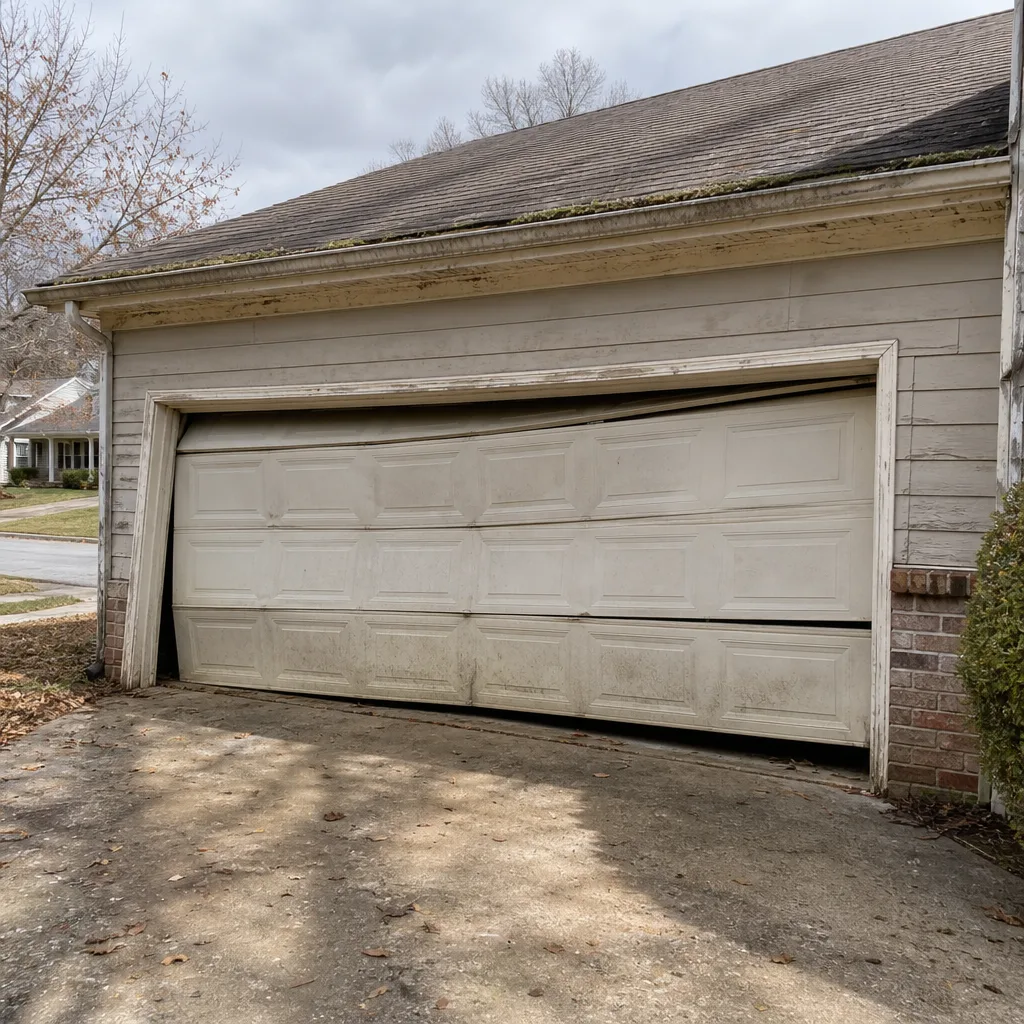 Before
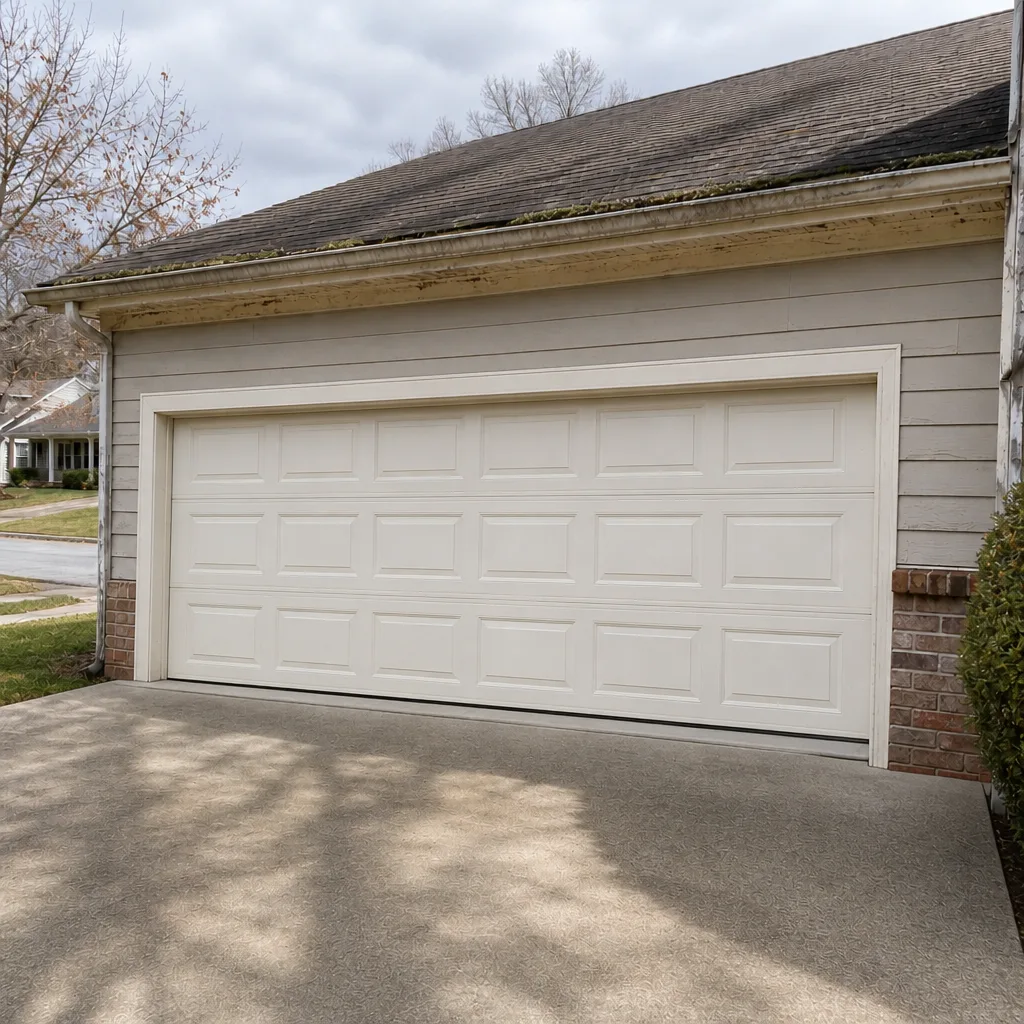 After
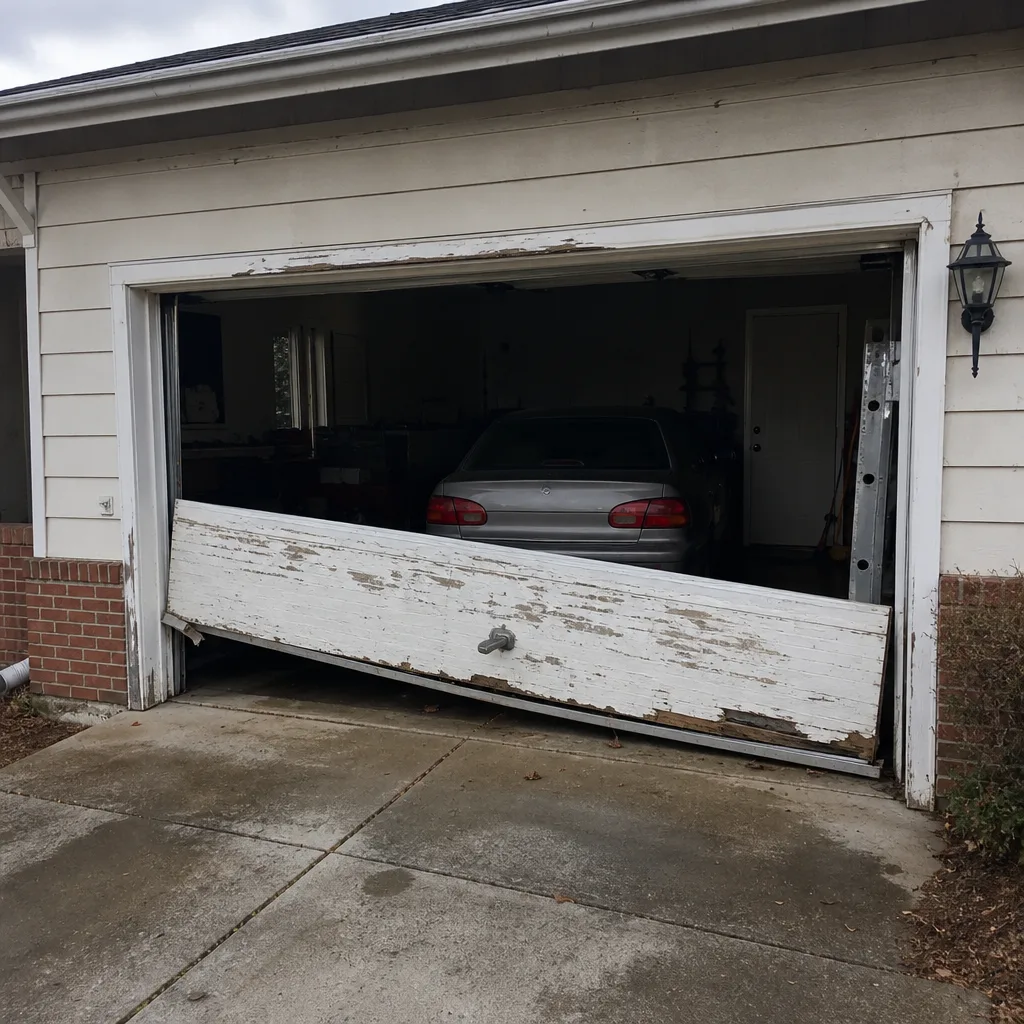 Before
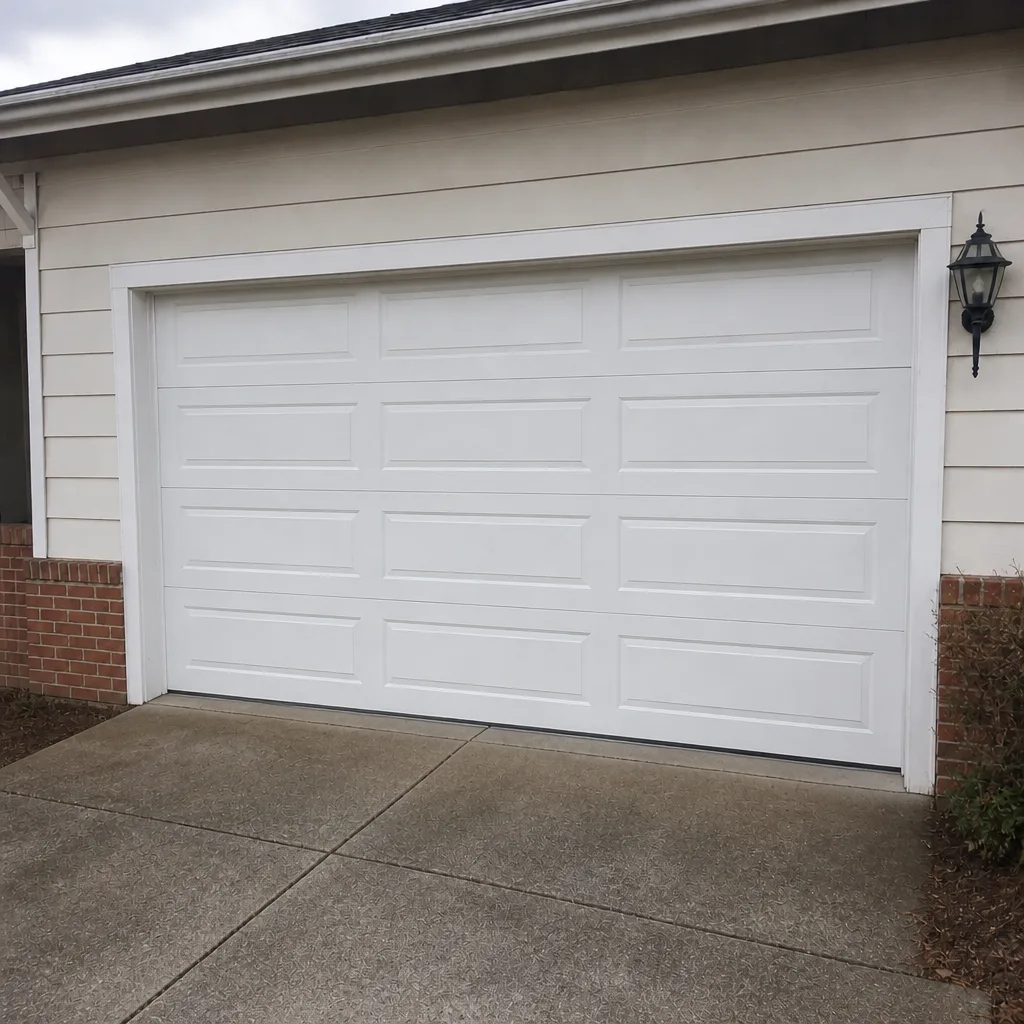 After
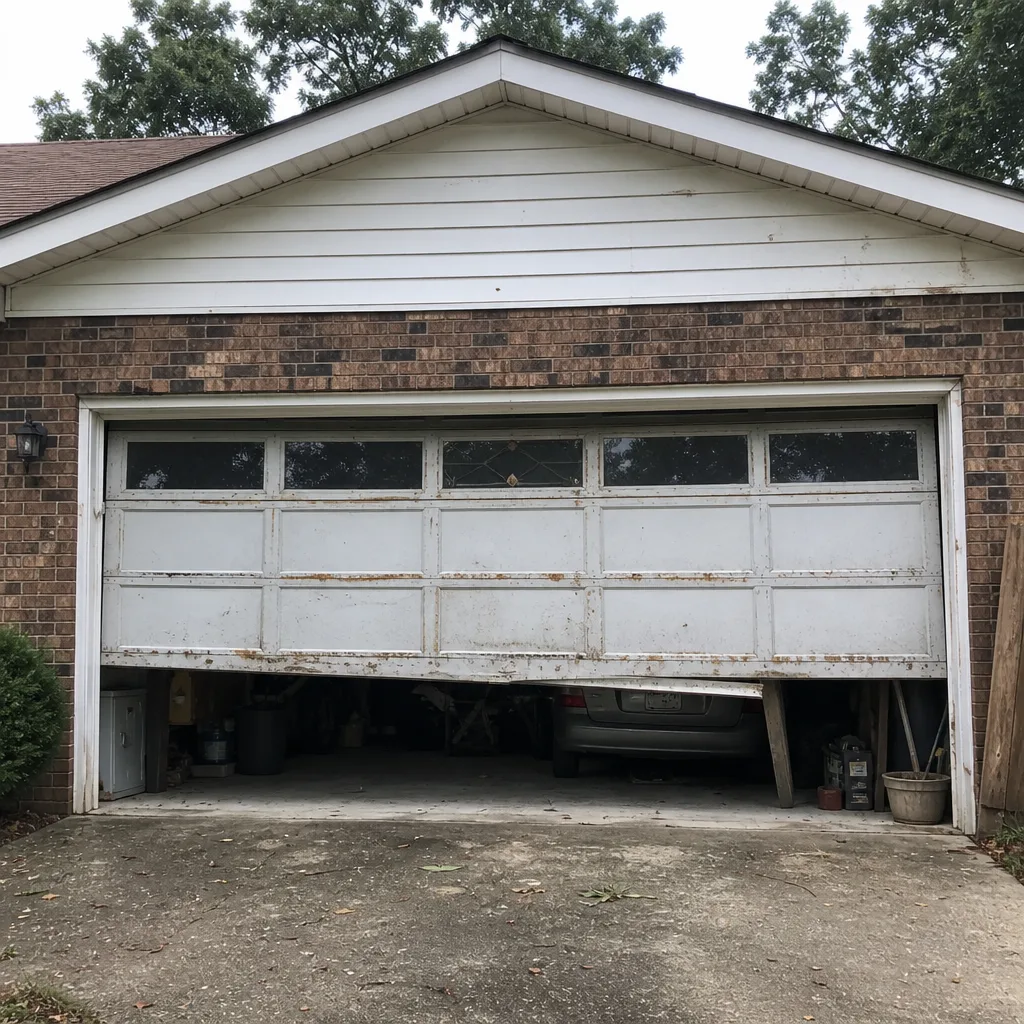 Before
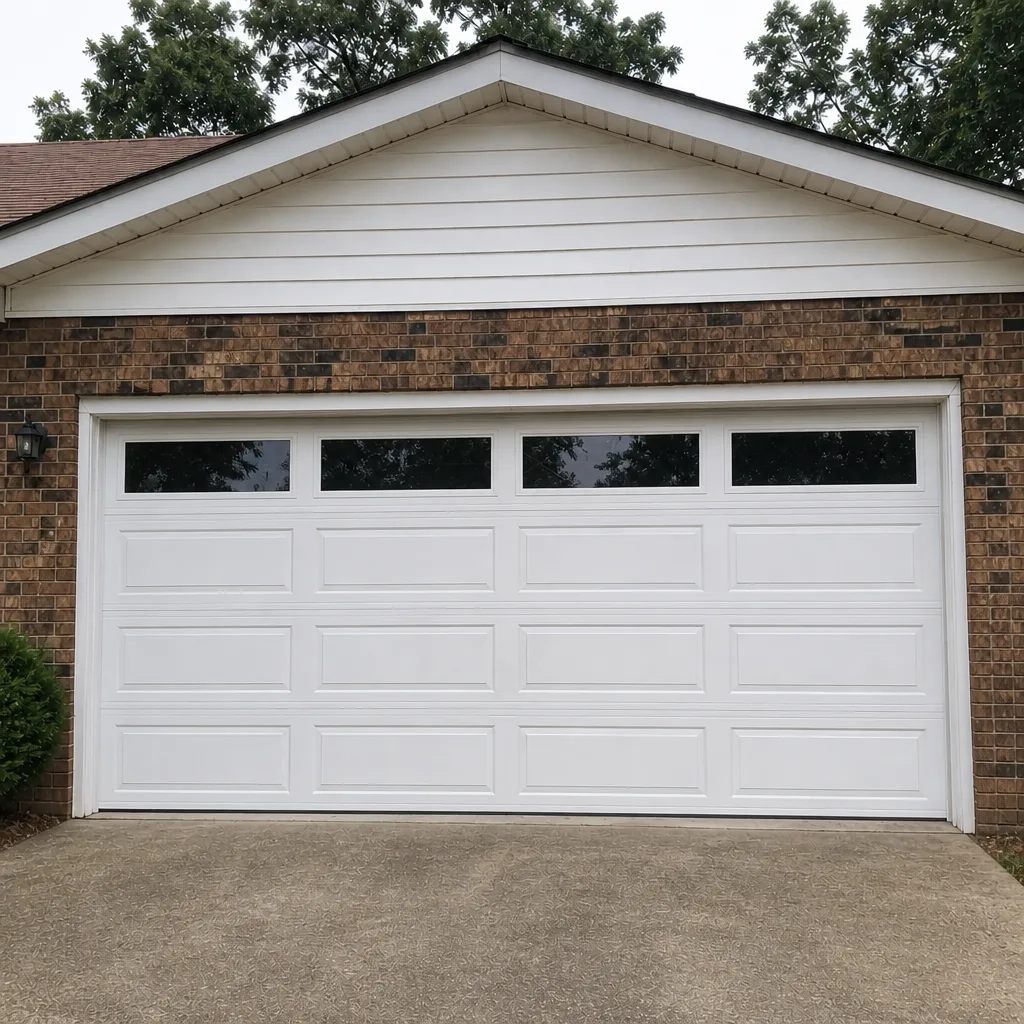 After
When to Call a Professional
Some jobs are safe to DIY – lubricating rollers, replacing a weather seal, swapping a remote battery. Others need a trained technician, and calling too late is the real risk. Call a professional when a spring has snapped or the door feels impossibly heavy; when the door comes off its track or won’t stay level; when cables are frayed or loose; when the opener runs but the door doesn’t move; when the door reverses unexpectedly or the safety sensors won’t stay aligned; or when you hear grinding that wasn’t there before. Any of these can point to a part under load, and that’s exactly where DIY goes wrong. Tandem Garage Door Repair offers free estimates in Greensboro – call (855) 554-0021. We answer 24/7, and fast dispatch runs from 7am to 7pm, Sunday through Friday, so a call outside dispatch hours is booked into the next opening.
Frequently Asked Questions
Look up at the door in the closed position. If you see springs running horizontally along the side tracks above the door, you have extension springs. If you see a single spring or a pair mounted on a metal shaft across the top center, you have torsion springs. On older Guilford County homes built before 2000, extension springs are common; newer construction usually uses torsion. Either way, never adjust them yourself – call (855) 554-0021 for a free estimate if they need attention.
Most technicians recommend replacing a matched pair together. When one spring fails, the other has lived the same life and is usually close behind, so replacing one often means a second repair shortly after. A pair is the safer and more economical long-term choice. For a written estimate on your specific door, call (855) 554-0021.
That symptom usually comes from a safety sensor that’s misaligned or obstructed, or from a door that’s out of balance and straining the opener. A snapped spring can also cause the door to lift partway and stall. Don’t force it – if the door feels heavy, stop operating it and call a technician. Estimates are free.
Check the bottom roller brackets, hinge plates, end stiles, and the inside of the top panel for a manufacturer label, stamp, or sticker. Clopay, Amarr, Wayne Dalton, and Raynor are common on Greensboro homes. Photograph any serial number you find – it tells a technician the model and makes ordering parts faster. Call (855) 554-0021 for an exact quote on any repair.
It can be, especially when the door is uninsulated and the garage shares a wall with living space. An insulated steel or aluminum door handles Greensboro’s hot, humid summers better than original wood, and a modern door reduces opener strain. But the decision depends on the door’s condition – if the panels are straight and only the springs are worn, repair is usually the smarter spend. A free estimate will tell you which way to go.
Yes – our technicians are licensed, insured, and trained across eight major garage door and opener brands, including LiftMaster, Chamberlain, Genie, Clopay, Amarr, Wayne Dalton, Craftsman, and Raynor. Our technicians have up to 14 years of experience, and every job is diagnosed rather than guessed. Call (855) 554-0021 for a free estimate – the price is quoted and agreed before any work starts.
The Bottom Line
Your garage door is a system of four parts, and the sooner you know which system you have, the smarter every decision gets. Learn whether you’re running torsion or extension springs, identify the door and opener brands, measure your opening, and photograph the serial numbers – today, while it’s working. That profile is what turns a panicked call into a targeted repair. Greensboro’s mix of older ranch homes and newer subdivisions makes this especially worth doing, because door size, clearance, and spring type vary more from street to street than most guides admit. And when a repair needs a trained hand, especially on springs or opener wiring, don’t guess. Call Tandem Garage Door Repair at (855) 554-0021 for a free estimate. We work on the door you have, from opener to panel, and we’ll tell you exactly what failed and why before anything gets replaced.
Written by the team at Tandem Garage Door Repair.