
Last updated November 15, 2026
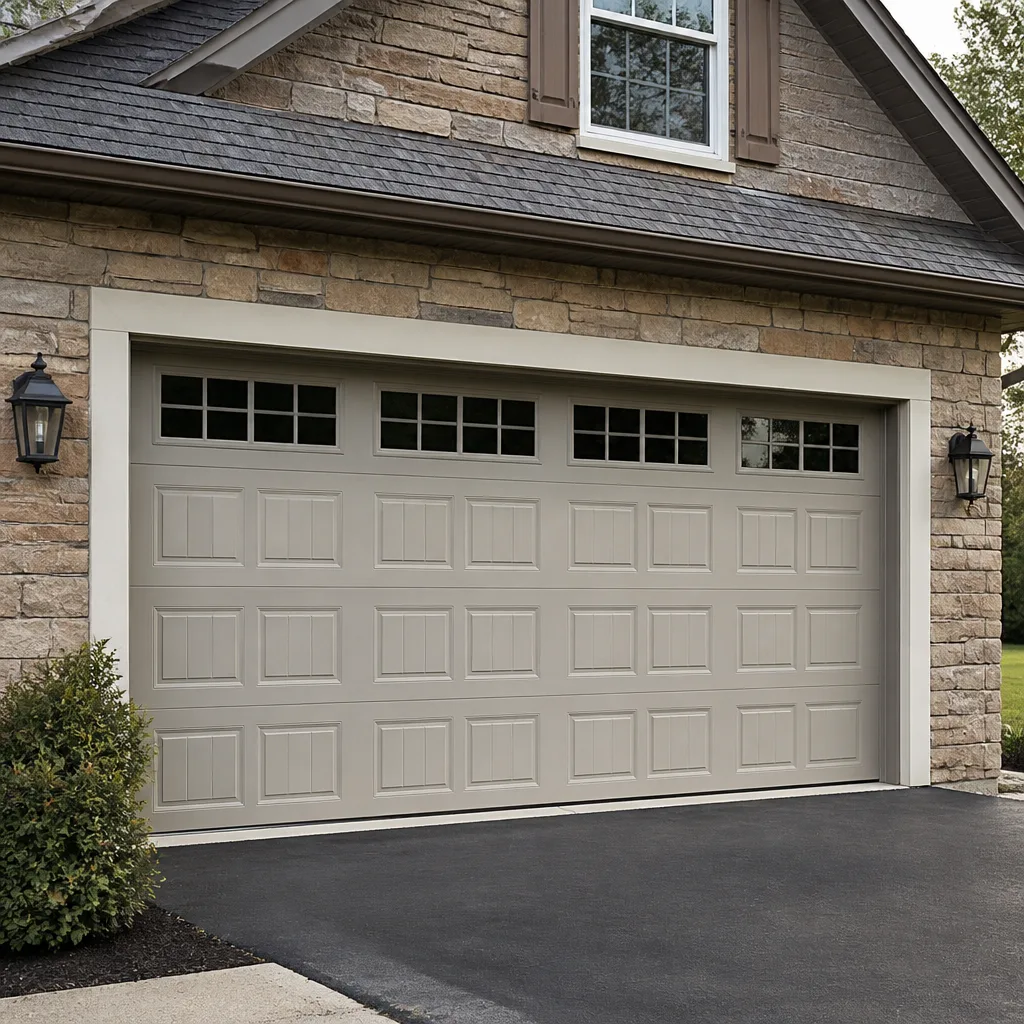 Raised-panel steel
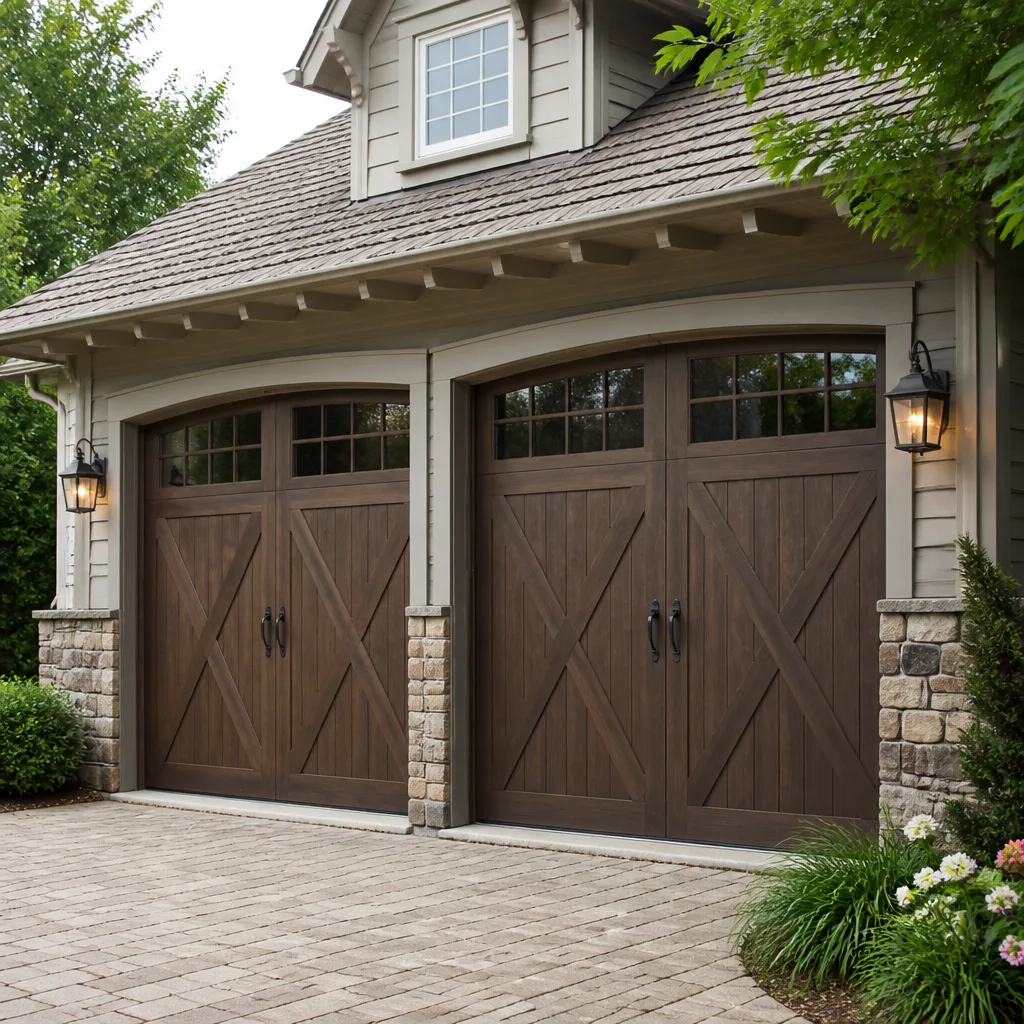 Carriage house
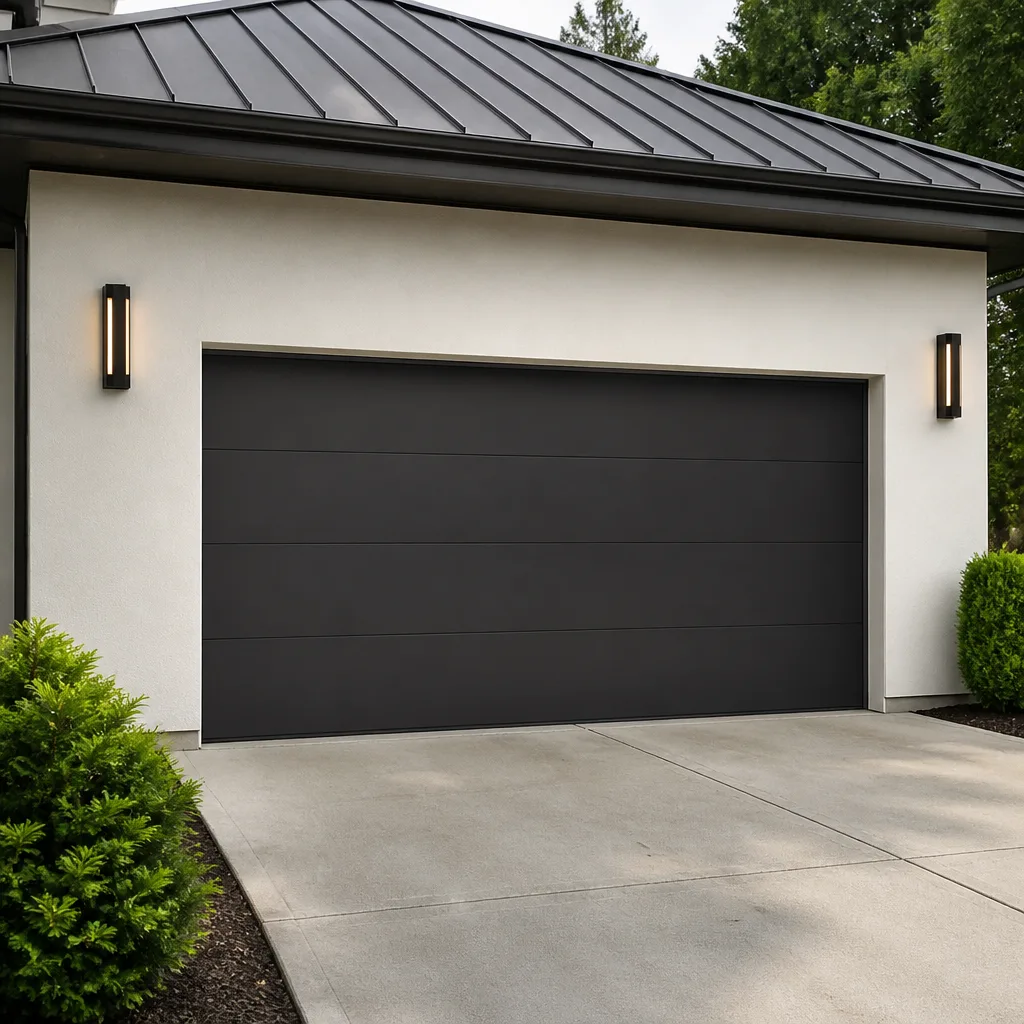 Modern flush
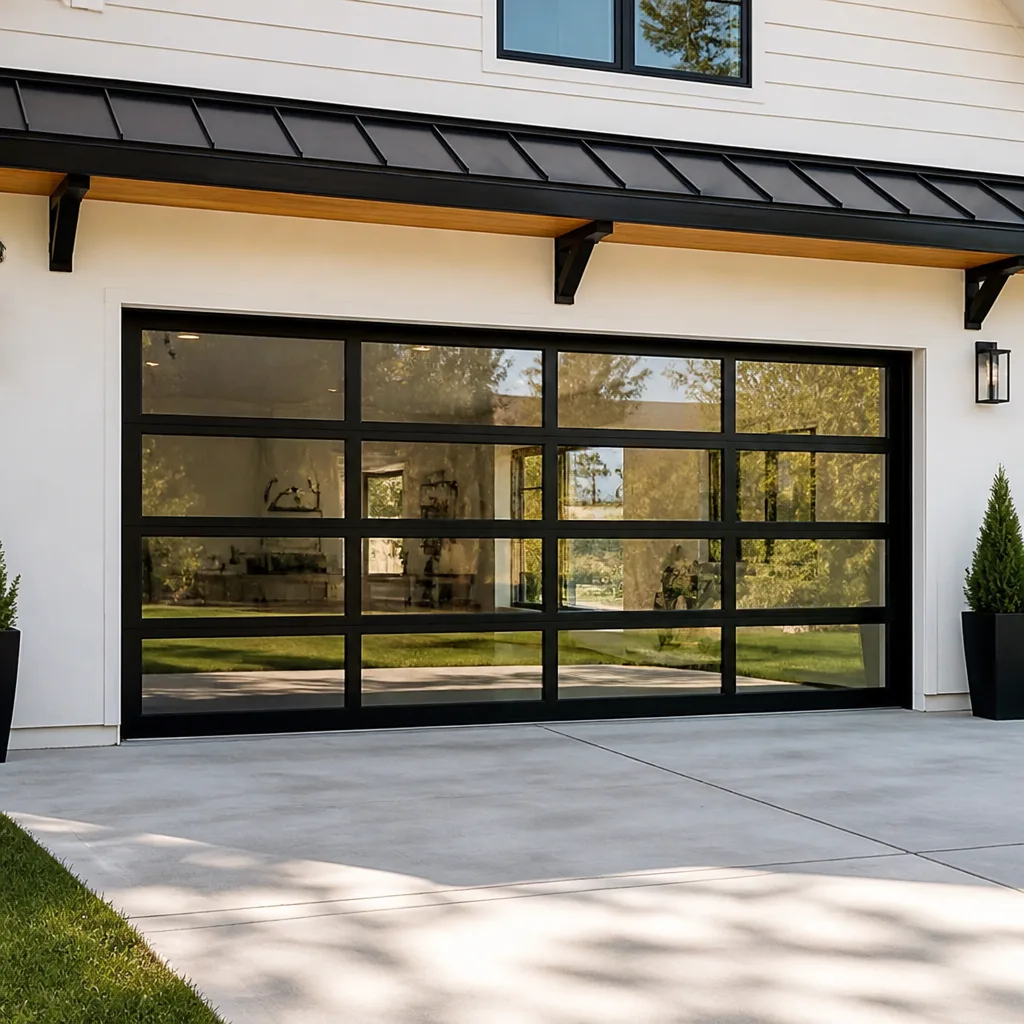 Full-view glass
 LiftMaster openers
 Chamberlain openers
Full 25-point door and opener safety check with every visit - springs, cables, rollers, tracks, and your LiftMaster or Chamberlain opener included
You get a price before we start. It does not change when the pro arrives.
Get your free estimateSeasonal Garage Door Care for Greensboro: Year-Round Homeowner’s Guide
Most garage door maintenance advice is written for a climate that Greensboro doesn’t actually have. The standard template tells you to prep for a cold winter and a hot summer, then calls it done. But the door on your Greensboro home doesn’t fail from sustained heat or sustained cold. It fails from the swings. Temperatures here cross the freezing line repeatedly through the winter instead of settling below it, and that repeated freeze-and-thaw is what cracks bottom seals, stiffens grease, and works rollers loose. Add a humid stretch from June through September and a handful of ice events that catch everyone off guard, and you’ve got a failure pattern that generic guides miss entirely. This guide walks through what actually stresses a door in Greensboro, month by month, so you can plan the work instead of reacting to it.
Quick Answer
Garage door care in Greensboro should follow temperature and humidity cycles rather than the calendar’s four seasons. The highest-risk periods are the freeze-thaw swings of winter, the March and October humidity transitions, and the humid stretch from June through September that stresses wood composite and steel panels. Inspect and lubricate moving parts twice a year, keep bottom seals and weatherstripping flexible, and watch for balance and travel problems before they turn into a repair.
Styles & brands we work with
- Raised-panel steel
- Carriage house
- Modern flush
- Full-view glass
- LiftMaster openers
- Chamberlain openers
Table of Contents
- Why Greensboro’s Climate Stresses Doors Differently
- The Month-by-Month Care Calendar for Greensboro
- The June-to-September Humidity Stretch: The Most Damaging Months
- Preparing for the Ice Storm Scenario
- Fall Prep: When Summer-Viscosity Lubricant Starts Failing
- Components With Seasonally Appropriate Replacement Windows
- Stacking Tasks to Avoid Unnecessary Service Visits
- Common Mistakes and When to Call a Professional
Why Greensboro’s Climate Stresses Doors Differently
Greensboro sits in a spot where cold air pushes down from the mountains and warm, moist air moves up from the south, and the two trade places more often than they do in cities much farther north. A northern city settles into a hard freeze and stays there. Greensboro dips below freezing at night, climbs above it by afternoon, and repeats that cycle many times over a single winter. Every one of those crossings works on your door’s flexible parts.
Here’s what that actually does to hardware:
- Bottom seals crack. The rubber or vinyl astragal at the bottom of the door flexes when it’s cold and relaxes when it warms. Repeated cycling hardens it and eventually splits it. Once it’s split, water and cold air get underneath.
- Rollers seize. Grease thickens in cold and thins in warmth. Grease that’s asked to do that daily doesn’t stay where it’s supposed to. Rollers that were quiet in fall start grinding in January.
- Hinges loosen. Metal expands and contracts at a different rate than the screws holding it. Repeated cycles back screws out slowly. Loose hinges throw the door slightly out of alignment, which then loads the rollers unevenly.
- Wood composite panels swell and shrink. Even panels rated for exterior use move with humidity. In Greensboro, that movement happens more often and more abruptly than in a drier climate.
None of this is about how old the door is or how well it was built. It’s about how many times the material gets asked to flex. A door in Greensboro sees more of those cycles in a winter than a door in a colder city that stays cold. That’s the core idea this whole guide is built around, and it’s why we plan service around transitions here rather than around the traditional seasons.
The Month-by-Month Care Calendar for Greensboro
A generic spring-and-fall checklist doesn’t fit this climate. The task list below is tied to what’s actually happening to your door each month in Greensboro, so you’re working on the right parts at the right time instead of guessing.
January and February. Peak freeze-thaw. Listen for grinding rollers and check that the bottom seal still sits flat on the concrete. If the door shudders on the way down, the balance is off.
March. The first big humidity transition. Wood composite and steel panels that were contracted all winter start to move. Look for gaps at panel seams and check that weatherstripping still seals.
April and May. Mild and stable, which makes this the best window for a full tune-up before the humid stretch. Lubricate rollers, hinges, and springs, and check the opener’s force and travel settings.
June through September. High humidity. This is the stretch where wood composite and steel panels take the most punishment. Watch for swelling at the bottom of wood-look panels and rust blooming on steel edges.
October. The second humidity transition. Panels shrink back, which can open small gaps. It’s also when you switch to a lubricant that holds up in cold.
November and December. Prepare for ice season and freeze-thaw. Check the bottom seal, clear the track of debris, and make sure the door reverses properly on contact.
Two tune-ups a year, in April and October, cover most of this. The rest is a walk-around inspection you can do in a few minutes each month.
The June-to-Summer September Humidity Stretch: The Most Damaging Months
The most damaging stretch for a garage door in Greensboro isn’t winter. It’s the humid period from June through September, when warm, moist air sits over the region and relative humidity stays high for weeks at a time. For wood composite and steel doors especially, that’s the hardest test of the year.
What humidity does to wood composite panels
Wood composite panels are engineered to resist moisture, but they’re not immune to it. In sustained humidity, the material absorbs moisture at the edges and bottom first, where it’s most exposed. That absorption causes swelling, and swelling causes the panel faces to bow slightly and the seams to open. Once a seam opens, moisture gets into the core, and that’s where the real damage starts. A panel that looks fine in April can show a soft spot at the bottom edge by September. Clopay and Amarr both make wood-look composite lines, and we work on both; the construction differences matter, but the humidity exposure is the same story regardless of brand.
What humidity does to steel panels
Steel panels handle humidity better than composite, but the edges, seams, and hardware attachment points are where moisture collects. In a humid Greensboro summer, condensation forms on the inside of a steel door in the morning and dries by afternoon. That cycle, repeated daily, is what causes rust to start at the bottom edge and around the hinges. It rarely starts as an obvious rust patch. It usually starts as a dull discoloration you’d miss unless you’re looking for it.
What you can do during the humid stretch
- Wipe down the bottom edge of the door every few weeks and look for softness in composite panels or discoloration in steel.
- Keep the garage ventilated. A door left closed in a humid garage traps moisture against the panels.
- Check that weatherstripping around the frame is intact, since gaps let humid air straight in.
- Have the door inspected before the humid stretch starts, not after it’s already caused damage.
If you notice a panel that’s swollen or rusting, it’s worth getting it looked at by a garage door repair specialist before the humidity does more work.
Preparing for the Ice Storm Scenario
Greensboro doesn’t get ice storms every winter, but when they hit, they cause a specific kind of garage door problem: the bottom seal freezes to the concrete floor. Once that happens, the opener pulls against a seal that’s bonded to the slab, and that’s hard on the opener’s gears and the door’s balance system. Preparing for it ahead of time is far easier than dealing with a door that won’t open after an ice event.
Here’s the preparation that actually helps:
- Check the bottom seal before ice season. A seal that’s cracked or hardened is more likely to bond to wet concrete and tear when the door lifts. Replace it in fall, not after it fails.
- Keep the threshold dry. Clear snow and standing water away from the door’s base when you can, so there’s less moisture to freeze.
- Test the opener’s auto-reverse. With the door on the ground, place a small object in its path and confirm the door reverses. If it doesn’t, the opener needs attention before winter.
- Don’t force a frozen door. If the door won’t lift after an ice event, don’t keep hitting the opener button. That’s how gears strip and cables jump. Break the seal loose carefully from the outside if you can do it safely, or call a technician.
A note on safety: the springs and cables on a garage door are under high tension, and they’re the most dangerous part of the system to work around. If an ice event has left the door stuck or a cable has come loose, that’s a job for a trained professional, not a DIY repair. We answer 24/7 if you’re dealing with a stuck door after a storm, with fast dispatch from 7am to 7pm, Sunday through Friday.
Fall Prep: When Summer-Viscosity Lubricant Starts Failing
Lubricant is one of the most overlooked parts of fall garage door prep, and in Greensboro it matters more than most people realize. The lubricant that keeps rollers and hinges moving smoothly in July is often too thick for January. When temperatures drop, a summer-weight grease stiffens, the roller doesn’t turn freely, and the door starts to drag. That drag loads the opener and the springs, and things start wearing out faster than they should.
Fall prep should include:
- Cleaning old lubricant off the rollers and hinges. Layered grease traps grit and makes the problem worse. Wipe it off before applying anything new.
- Applying a lubricant rated for cold temperatures. A garage door lubricant designed for low temperatures stays flexible when the mercury drops, which is exactly what the freeze-thaw cycles here demand.
- Checking the rollers themselves. A roller that’s worn flat or has a seized bearing won’t be fixed by lubricant. If it doesn’t spin freely by hand, it needs replacing.
- Inspecting the hinges for looseness. Snug any loose screws, and replace hinges that have worn or cracked.
- Testing the door’s balance. Disconnect the opener and lift the door halfway. It should stay there on its own. If it drops, the springs are out of balance and need attention from a technician.
Doing this in October gets the door ready for the freeze-thaw season that follows. If you skip it, the first hard cold snap is when you’ll notice the door getting sluggish.
Components With Seasonally Appropriate Replacement Windows
Not every garage door component needs replacing on the same schedule. Some parts are worth replacing proactively in a specific season because that’s when the old part is most likely to fail or when the new part will hold up best. Knowing which is which helps you avoid paying for a service visit you didn’t need.
- Bottom seals and weatherstripping: Best replaced in early fall, before ice season. A fresh seal handles the freeze-thaw cycle better than an old one, and it’s the part most likely to be damaged by ice bonding to concrete.
- Rollers: Replace in fall if they’re showing wear, so they’re fresh going into the cold months. Worn rollers are far more likely to seize when temperatures drop.
- Hinges: Replace in spring or fall, when you’re already doing a tune-up. There’s no urgent seasonal window, but combining it with lubrication saves a visit.
- Springs: Replace when they show signs of wear regardless of season. Springs are rated by cycle count, not by calendar, and a failing spring is a safety issue, not a seasonal one.
- Opener components: Replace when they fail. Opener gears and belts aren’t particularly seasonal, though a struggling opener is more noticeable in cold weather when everything is stiffer.
If you’re not sure which parts are due, a technician can tell you in a single visit. We work on the door you have, whether it’s a Wayne Dalton steel door or a Genie opener, and we’ll tell you what actually needs replacing rather than what happens to be in stock. Call (855) 554-0021 for a free estimate.
Stacking Tasks to Avoid Unnecessary Service Visits
Every service visit has a cost, and the way to keep that cost down is to group work that can be done in one trip. In Greensboro, the two natural service windows are April and October, and both are good times to stack several maintenance tasks into a single visit.
Here’s how to think about stacking:
- Combine a tune-up with any parts replacement. If you know the bottom seal is due and the rollers are worn, have both done during the same visit rather than booking two separate appointments.
- Do the spring and opener work together if both are showing wear. Springs and openers share the load, and a technician checking one can evaluate the other at the same time.
- Schedule the April tune-up before the humid stretch, and the October tune-up before ice season. Those are the two moments when the work is most useful, and they naturally space out the year.
- Keep a list of small issues between visits. A noisy hinge, a slightly crooked panel, a remote that’s acting up. Mention them when you book, so the technician can plan for them in one trip.
Stacking tasks keeps the number of visits down, and it means the technician sees the whole system at once. That often turns up small problems before they become separate repairs. If you’re planning a visit, our garage door opener repair team can look at the opener while another technician handles the door hardware, so nothing gets deferred to a second appointment.
Common Mistakes to Avoid
- Following a generic spring-and-fall checklist. A guide written for a colder climate won’t tell you to watch out for the March humidity transition or the freeze-thaw cycles that hit Greensboro hard. Build your plan around what actually happens here.
- Using summer-weight lubricant year-round. The grease that works in July will stiffen in January. Switch to a cold-rated lubricant before fall and clean the old grease off first, or you’re just layering problems.
- Ignoring a cracked bottom seal. It’s the cheapest part on the door and the one most likely to cause a bigger problem. A split seal lets water in and bonds to concrete in ice, and that’s when a small fix turns into a stuck door.
- Forcing a frozen door open. Hitting the opener repeatedly against a seal that’s frozen to the slab strips gears and can damage cables. Break the seal loose carefully or call a technician.
- Skipping the April tune-up because nothing’s broken. The humid stretch from June through September is when the damage happens, and a spring tune-up catches small issues before that stretch works on them.
- Assuming a brand specialist is the right call. A single-brand dealer will steer you toward what they carry. A generalist handyman may not know the hardware. A brand-agnostic specialist works on the door you have.
- Letting a loose hinge go. Loose hinges throw the door slightly out of alignment, which loads the rollers unevenly and shortens their life. Snugging four screws is a two-minute job; replacing the rollers it damages isn’t.
See the difference
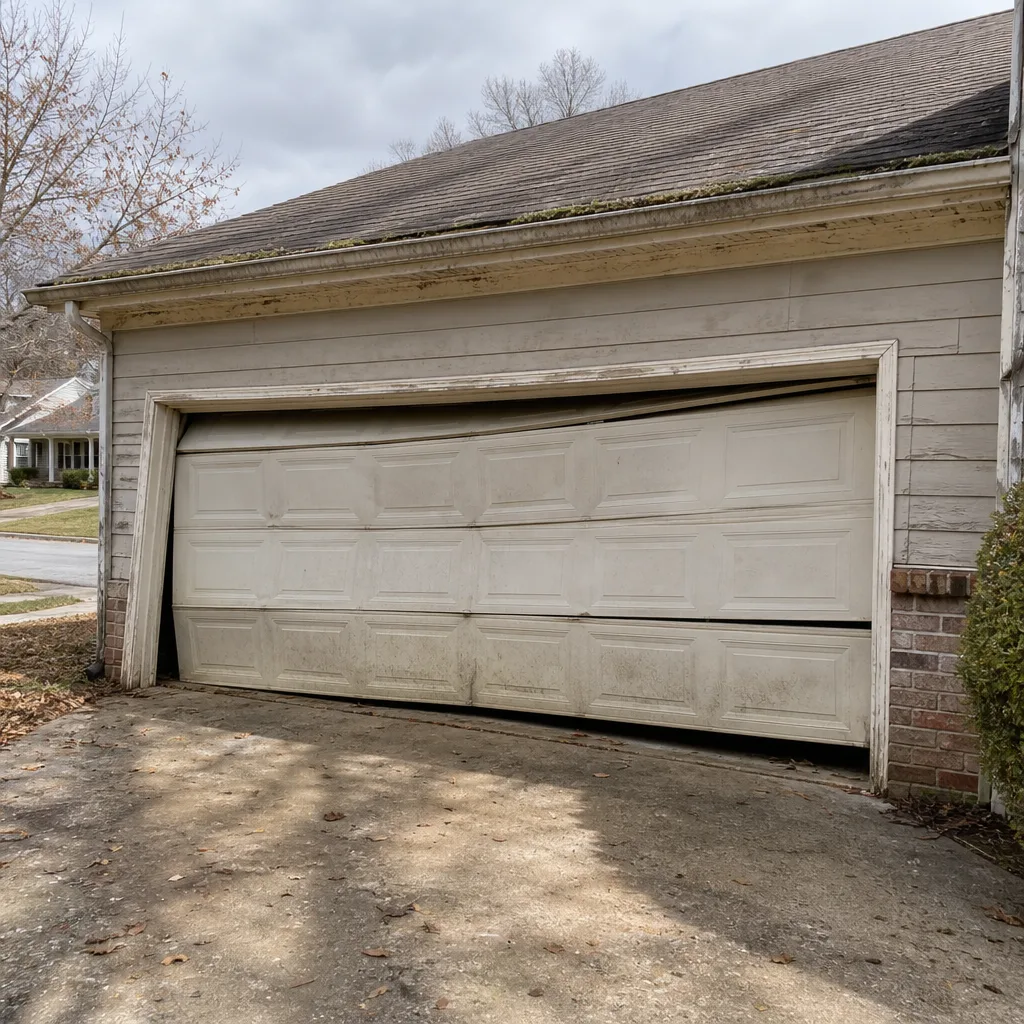 Before
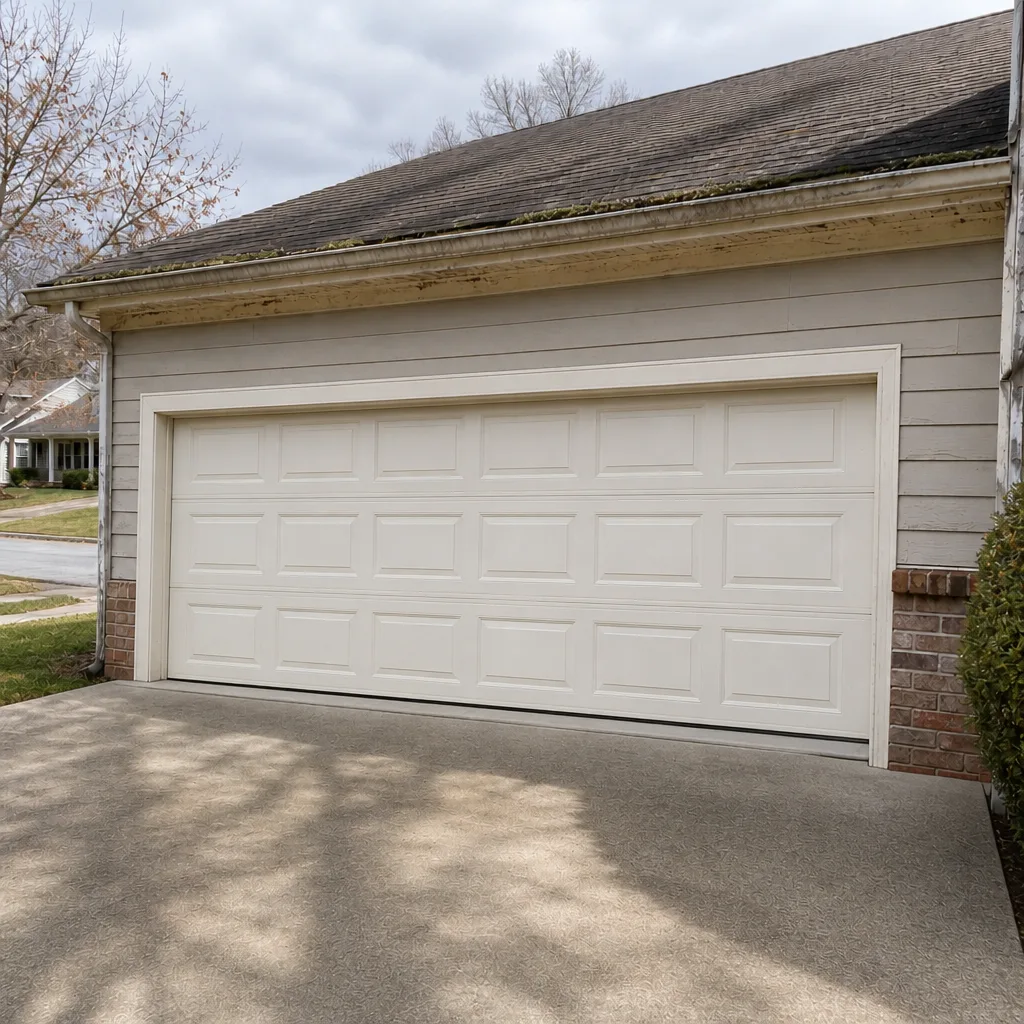 After
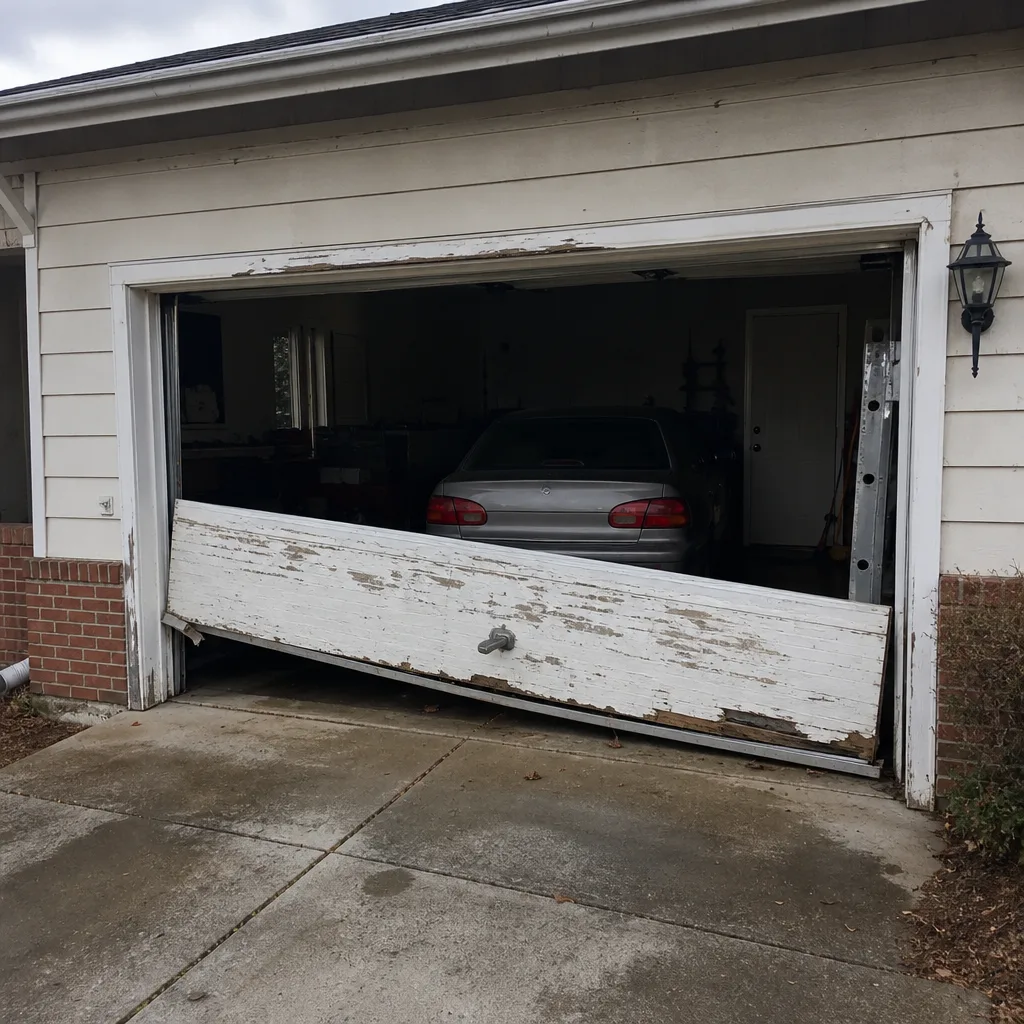 Before
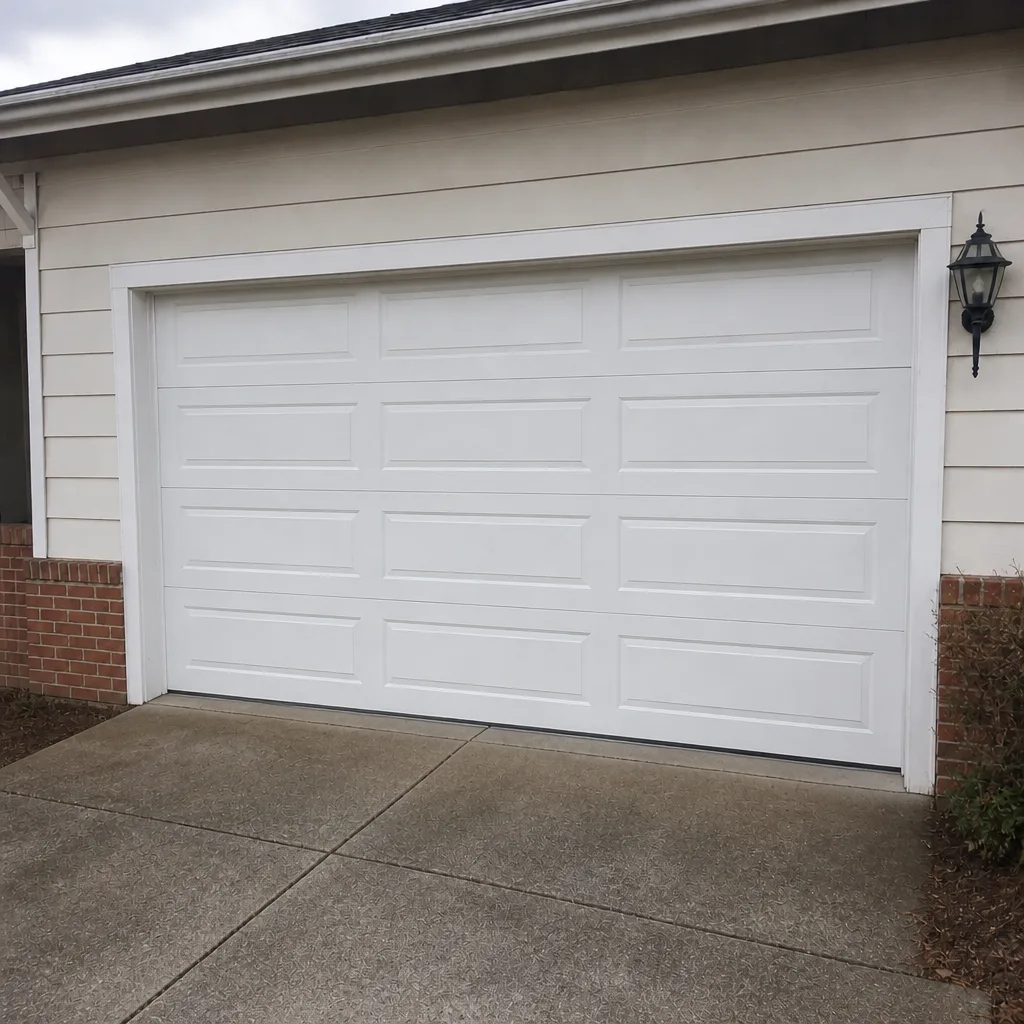 After
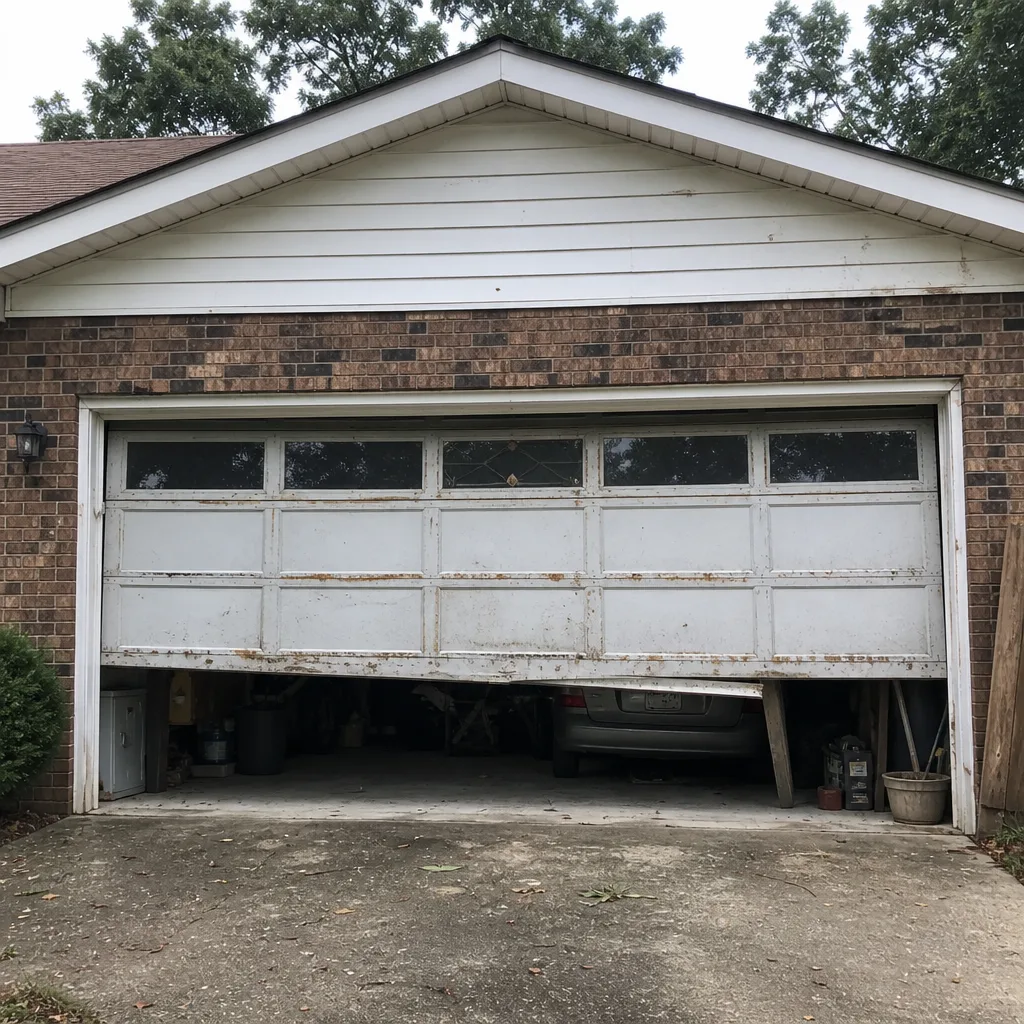 Before
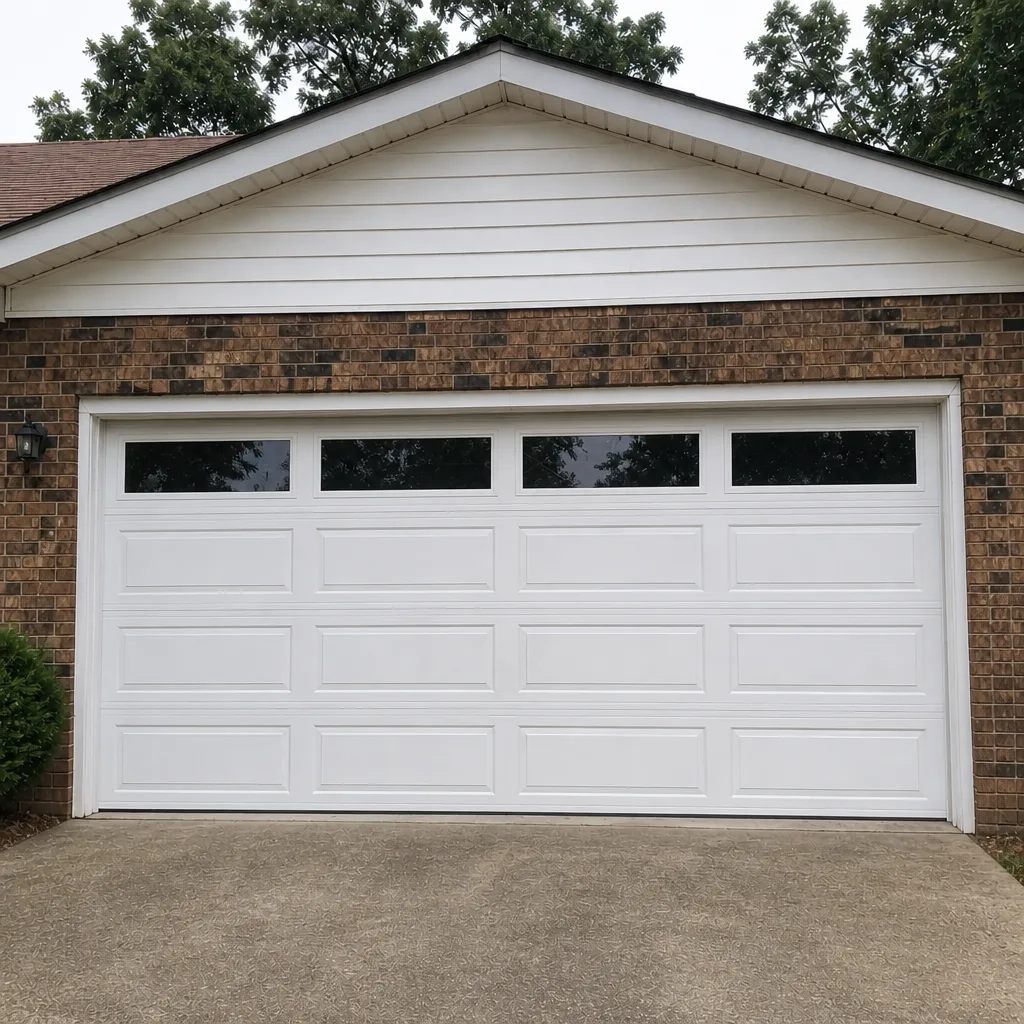 After
When to Call a Professional
Most maintenance is a walk-around you can do yourself. But some problems need a trained technician, and the safety line is clear. Springs and cables are under high tension and can cause serious injury. If a spring looks stretched or broken, if a cable has come off a drum, if the door won’t stay balanced when you lift it, or if the opener’s auto-reverse doesn’t work, call a professional rather than reaching for tools. In Greensboro, the humidity and freeze-thaw cycles cause slow wear that’s easy to miss until it becomes a real repair. A yearly inspection catches that wear early. Tandem Garage Door Repair offers free estimates in Greensboro – call (855) 554-0021. We work on the door you have, whether that’s a Clopay steel door or a Genie opener, and we diagnose rather than guess.
Frequently Asked Questions
Twice a year, in April and October, fits Greensboro’s climate best. The April tune-up lines up with the start of the humid stretch, and the October tune-up gets the door ready for the freeze-thaw season and the ice events that can freeze a bottom seal to concrete.
Cold temperatures thicken lubricant and stiffen seals, so the door has to work harder to move. In Greensboro, the freeze-thaw swings make this worse because the door cycles through stiff and loose conditions repeatedly. Switching to a cold-rated lubricant before fall usually solves most of it.
Yes. The stretch from June through September is the most damaging period of the year for wood composite panels. Sustained humidity causes the panels to absorb moisture at the edges, which leads to swelling and open seams. A panel that looks fine in spring can show soft spots by fall.
Don’t keep hitting the opener. Reversing against a frozen seal loads the opener gears and can damage the door. Break the seal loose carefully from outside if it’s safe to do so, and call a technician if the door won’t move or if a cable has come loose. We answer 24/7.
Some homeowners do handle rollers and hinges, but the springs and cables that hold the door’s tension are a different story. Those are under high tension and can cause serious injury. If a roller or hinge is worn, it’s worth having a technician check the whole system while they’re replacing the part.
We work on the door you have. We’re trained on systems from LiftMaster, Chamberlain, Genie, Clopay, Amarr, Wayne Dalton, Craftsman, and Raynor, so we can work on the actual hardware rather than a close approximation. Call (855) 554-0021 for an estimate.
The Bottom Line
Garage door care in Greensboro isn’t about preparing for a hot summer and a cold winter. It’s about managing the transitions: the freeze-thaw swings of winter, the March and October humidity shifts, and the humid stretch from June through September. Two tune-ups a year, in April and October, cover most of what the climate throws at a door. Keep the bottom seal flexible, switch to cold-rated lubricant before fall, and watch for balance and travel problems before they turn into a repair. When a spring or cable is involved, call a professional. Tandem Garage Door Repair works on the door you have, with technicians bringing up to 14 years of experience and a brand-agnostic approach to diagnosis. Call (855) 554-0021 for a free estimate.
For homeowners in Greensboro, Tandem Garage Door Repair offers repair, opener service, and installation across the eight brands we’re trained on. Wherever you are in the city, our Greensboro team can help you plan the seasonal maintenance your door actually needs.
Written by the team at Tandem Garage Door Repair.