
Last updated November 15, 2026
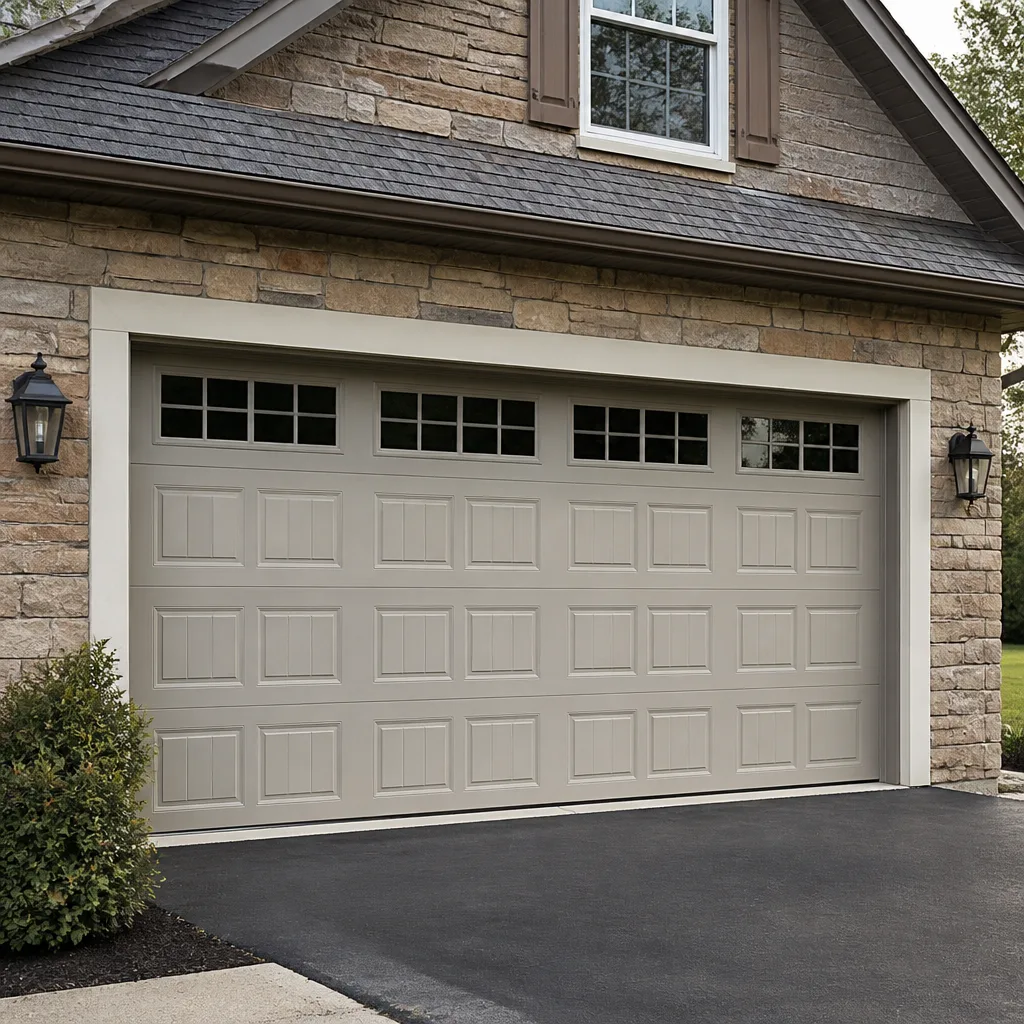 Raised-panel steel
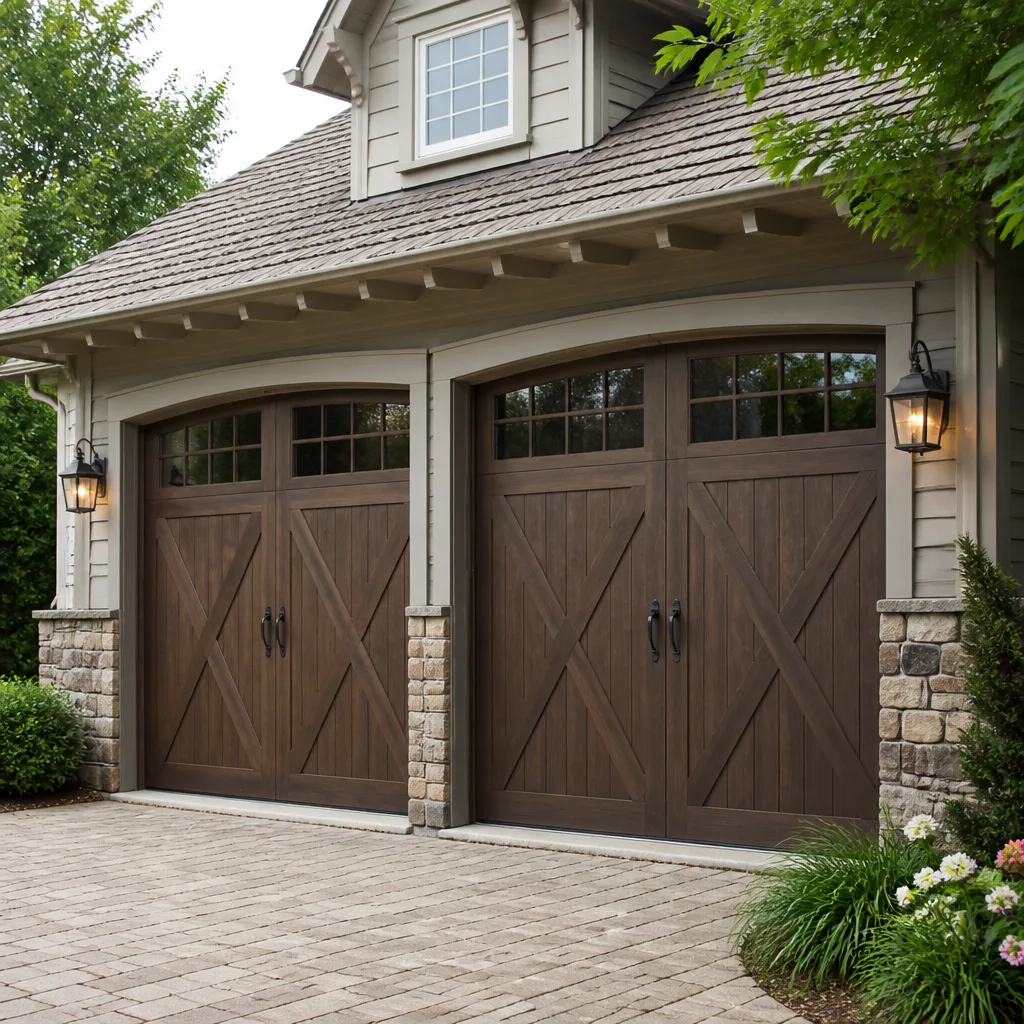 Carriage house
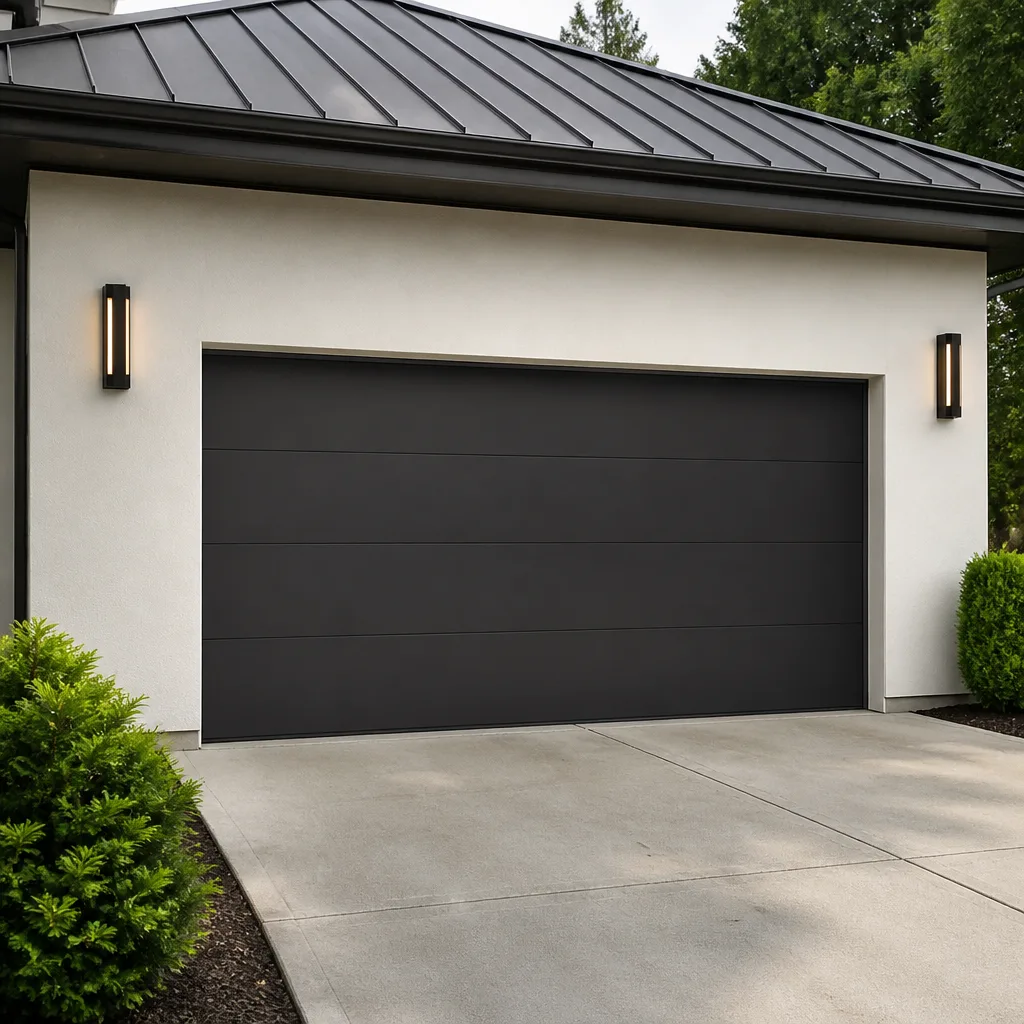 Modern flush
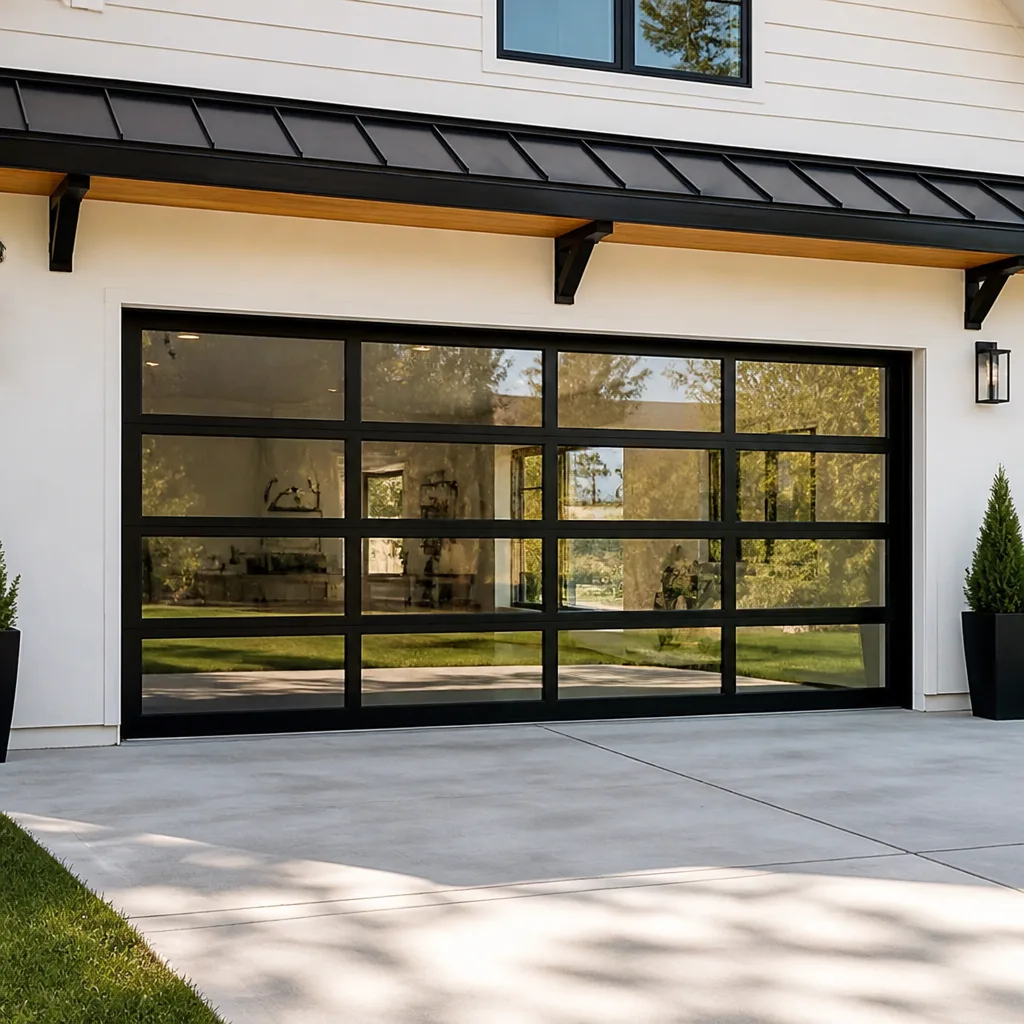 Full-view glass
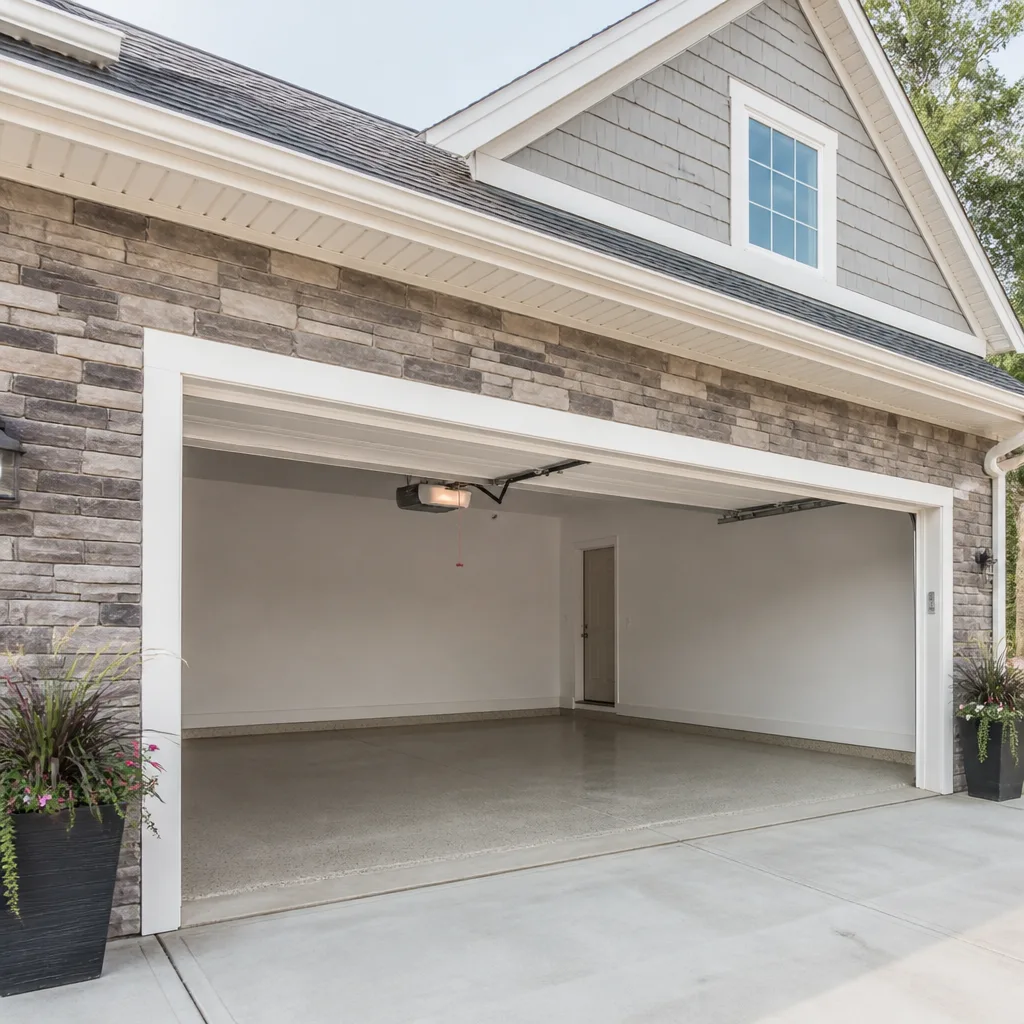 LiftMaster openers
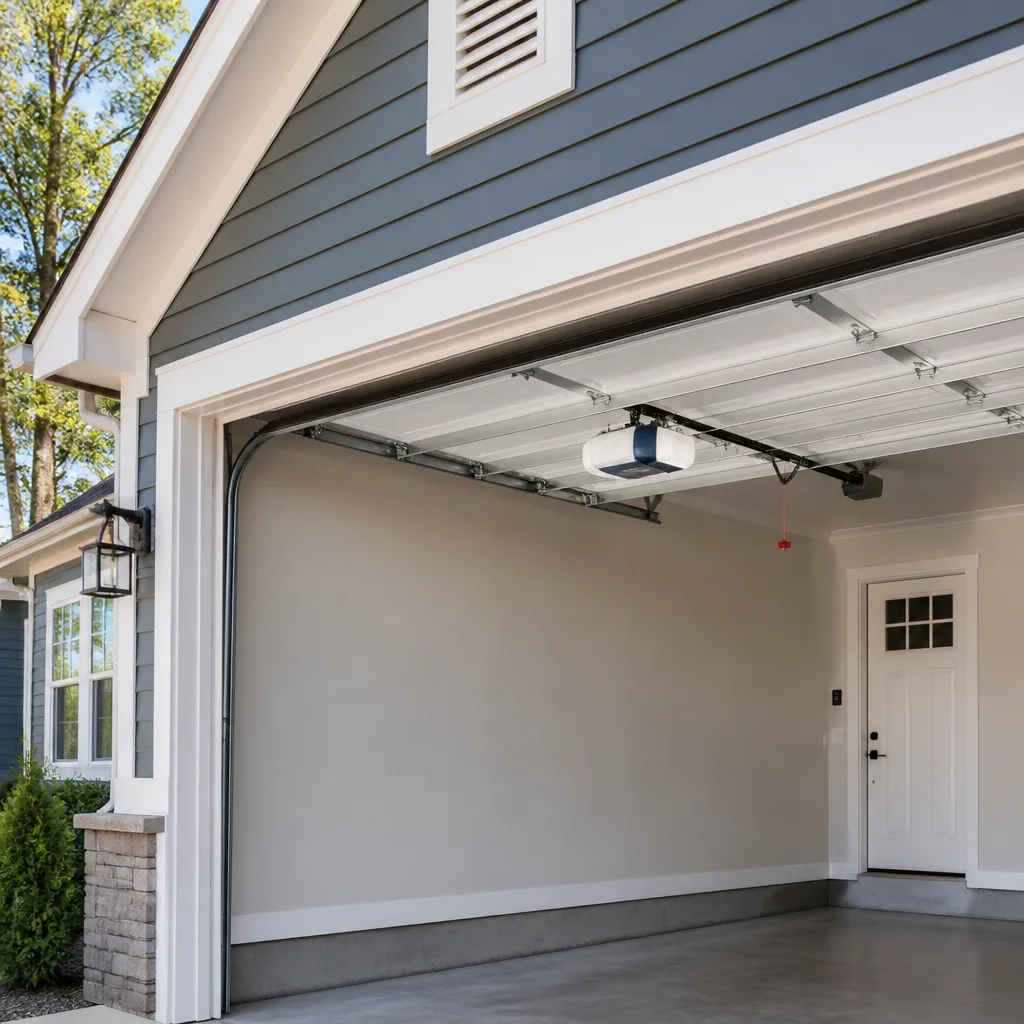 Chamberlain openers
Full 25-point door and opener safety check with every visit - springs, cables, rollers, tracks, and your LiftMaster or Chamberlain opener included
You get a price before we start. It does not change when the pro arrives.
Get your free estimateGarage Door Warning Signs: A Greensboro Homeowner’s Reference Guide
Most garage door warning signs don’t get ignored because homeowners miss them. They get ignored because nobody tells you which ones mean “stop using this door today” and which ones mean “add it to the list.” A door that hesitates for two seconds before it closes isn’t a quirk. It can point to a safety sensor or a force setting that lets the door come down on a child or a pet the next time something crosses its path. That gap between noticing and understanding is what this guide closes. Below you’ll find a triage system built for Greensboro homes: three severity tiers, sound-based diagnostics, material-specific visual checks, and the opener patterns that tell you whether the problem lives in the door or in the electronics.
Quick Answer
Garage door warning signs fall into three tiers: stop using the door immediately (a snapped spring, a door hanging crooked, a frayed or slack cable, a door that reverses randomly or won’t reverse when tested), schedule service within two weeks (grinding, popping, squealing, slow or jerky travel, opener strain, a growing gap at the bottom), and monitor at your next maintenance visit (light surface rust, minor panel dents, a single loose bolt). Greensboro’s humid summers and clay soil make track misalignment and hardware corrosion the two most common issues we see, and both start quietly.
Styles & brands we work with
- Raised-panel steel
- Carriage house
- Modern flush
- Full-view glass
- LiftMaster openers
- Chamberlain openers
Table of Contents
- The Three-Tier Severity System: Which Signs Mean Stop
- Sound-Based Diagnostics: What Grinding, Popping, Squealing, and Banging Tell You
- Material-Specific Warning Signs: Steel, Wood, and Composite
- Opener Behavior: Is the Problem in the Door or the Unit?
- How to Tell If a Door That Seems Fine Is Actually Out of Alignment
- Why Greensboro Weather Accelerates Certain Failures
- What Belongs on a Routine Maintenance Check
- Common Mistakes to Avoid
The Three-Tier Severity System: Which Signs Mean Stop
A symptom list tells you what’s wrong. A triage system tells you what to do in the next ten minutes. That difference matters in a Greensboro home where the garage is the main entry point and the car is trapped behind the door.
Tier 1: Stop using the door now. These are structural or safety failures where operating the door can cause injury or turn a repairable problem into a full replacement.
- A torsion spring that has visibly snapped or separated. This is high-tension hardware under load, and it is not a homeowner repair under any circumstance.
- The door hangs visibly crooked, with one side higher than the other.
- A cable that is frayed, kinked, or hanging slack.
- The door reverses randomly during a close cycle, or fails the reverse test when you place an object in its path.
- Loud banging or a sudden drop when the door travels.
- Panels separated from the hinge line or a door off its track.
Tier 2: Schedule service within two weeks. These are degrading conditions. The door still works, but every cycle adds wear, and the repair cost grows with the delay.
- Grinding, squealing, or popping during travel.
- Jerky, uneven, or noticeably slower movement.
- A growing gap between the door bottom and the floor.
- The opener strains audibly or the motor housing gets hot.
- Visible rust creeping into hinges, rollers, or the bottom section.
Tier 3: Monitor at your next maintenance check. Cosmetic or minor conditions that don’t affect operation yet.
- Light surface rust on a steel door panel.
- Small dents that don’t reach the hinge line.
- A single loose bolt on a bracket.
- Weatherstripping that has flattened but still seals.
If you’re unsure which tier a symptom belongs to, that uncertainty is itself a reason to have it looked at. Our technicians have up to 14 years of experience diagnosing exactly this kind of ambiguity, and we’d rather tell you a sign is cosmetic than have you find out the hard way it wasn’t. Call Tandem Garage Door Repair if you want a straight answer on which tier you’re in.
Sound-Based Diagnostics: What Grinding, Popping, Squealing, and Banging Tell You
Your ears are the fastest diagnostic tool you own. A garage door in good working order makes a low, even hum. Once that hum develops a character, the sound usually points straight to a component.
Grinding
Grinding is metal-on-metal contact. It usually traces to worn or seized rollers that have stopped rolling and started dragging through the track, or to a torsion spring that has lost lubrication and is binding against itself. On a Genie or LiftMaster system, grinding that seems to come from the opener head itself can mean a worn gear inside the unit. Listen for where the sound originates: at the track, that’s rollers or hinges. At the unit, that’s internal.
Popping
A sharp pop, especially at the start or end of travel, often comes from a torsion spring that has slipped or a winding cone that has shifted. On extension-spring doors, popping can indicate a spring that is stretching and catching. Popping is a short-fuse sound. It belongs in Tier 2 at minimum and Tier 1 if it repeats on every cycle.
Squealing
Squealing is friction without adequate lubrication, usually at rollers, hinges, or the torsion shaft bearings. It’s the most forgiving sound on this list, and it’s also the easiest to fix before it wears a roller flat. Steel rollers in a humid Greensboro garage squeal sooner than nylon ones because moisture accelerates the corrosion that creates the friction.
Banging
A bang during operation means something is moving farther than it should, which is a loose spring, a stretched cable, or a door that has jumped its track. Banging is the most serious sound on this list. Stop using the door.
How to narrow it down without touching anything
- Disconnect the opener using the manual release (with the door fully closed and no one under it).
- Lift the door by hand to about waist height. A well-balanced door stays there or drifts slightly.
- If it’s heavy or won’t hold, the problem is spring balance, not the opener.
- If it moves freely but the opener still strains, the problem is in the opener or its logic board.
Never attempt to adjust, lubricate, or remove a torsion spring yourself. That hardware stores enough energy to cause serious injury, and a trained technician is the only person who should touch it. If your door is making any of these sounds, call garage door repair at (855) 554-0021 for a free estimate.
Material-Specific Warning Signs: Steel, Wood, and Composite
The same crack or rust pattern means something different depending on what your door is made of. Reading the material wrongly sends you down the wrong repair path.
Steel doors
Rust is the primary warning sign, and location matters more than amount. Rust at the bottom edge of a steel door is almost always moisture from the floor, and it’s usually cosmetic. Rust at the hinge line or along a seam between sections is structural, because that’s where water gets inside the panel and starts eating the internal frame. Dents are cosmetic unless they reach the hinge line, where they can throw the door out of alignment. Steel doors in Greensboro tend to rust at the bottom section first because our humidity and summer storms push water into the lowest point.
Wood doors
Wood tells you everything through its paint and its joints. Peeling paint along the bottom rail is the earliest sign of water intrusion. Grey or silver wood means the finish has failed and the wood is unprotected. Cracks at the stile-and-rail joints, especially where sections meet, can mean the door is flexing rather than riding straight. A Clopay or Amarr wood-look door that develops a bow along one section is often reacting to moisture rather than failing on its own.
Composite and wood-composite doors
Composite is more forgiving on moisture but shows a different pattern: fine surface crazing (a network of small cracks in the finish) is usually cosmetic, while swelling at the bottom or separation at a joint means the composite core has taken on water. Composite doors rarely fail suddenly, which makes them easier to put in Tier 3, but their warping is harder to reverse once it starts.
What to look for on any material
- Paint or finish failure at the bottom edge – earliest moisture sign.
- Cracks or gaps at the hinge line and between sections – alignment risk.
- Bowing along any single section – a sign the door is no longer rigid.
- Uneven fading or a patched color mismatch – panel replacement concern.
When a repair involves panel replacement rather than hardware, brand familiarity matters. If your door is a Wayne Dalton, a Clopay, or an Amarr, we can work on the door you have rather than steering you toward a replacement based on what’s easiest to source.
Opener Behavior: Is the Problem in the Door or the Unit?
The single most useful diagnostic skill a homeowner can develop is separating door problems from opener problems. The symptoms overlap, but the repair categories are entirely different, and misreading them can lead to replacing an opener that was fine all along.
Signs the problem is in the door
- The door is heavy to lift by hand with the opener released.
- The door doesn’t hold its position halfway up.
- The door travels unevenly, with one side lagging.
- The opener runs but strains, hums, or sounds like it’s fighting resistance.
- The door reverses, then works fine after a manual assist.
All of these point to spring balance, rollers, track, or hinge wear. The opener is doing its job and complaining about the load.
Signs the problem is in the opener
- The door lifts easily by hand but the opener won’t move it.
- The opener runs but the door doesn’t move (broken gear, stripped sprocket, or a snapped chain).
- The door operates fine from the wall button but not from the remote, or vice versa.
- Indicator lights flash in a pattern (many LiftMaster and Chamberlain units flash a diagnostic code).
- The opener stops partway with no mechanical resistance.
- Wi-Fi or app connectivity drops while the wall unit works normally.
Smart opener behavior deserves its own note. App-connected LiftMaster and Chamberlain units can appear faulty when the real issue is a router change, a power interruption, or a firmware update. Before assuming hardware failure, check whether the wall-mounted control still works. If it does, the motor is healthy.
We diagnose both sides of that line. Our technicians have up to 14 years working with LiftMaster, Chamberlain, Genie, and Craftsman units, along with legacy and budget systems many replacement installers have never opened. If the opener is the problem, garage door opener repair is a same-day category for most of what we see.
How to Tell If a Door That Seems Fine Is Actually Out of Alignment
A door that closes fully but travels badly is heading toward a serious failure. Here are the specific visual checks that reveal track and spring issues before they become breakdowns.
- Look at the gap between the rollers and the track. Stand to the side and sight down the track. On a healthy door, each roller rides the same distance from the track’s inner edge. If one roller sits noticeably farther in or out, that section is misaligned.
- Check the vertical tracks for straightness. Look down the length of each vertical track from the top. A bowed or leaning vertical track can pull the door sideways as it rises.
- Watch the door travel from the side, not from the front. A door that wavers left-to-right during its cycle is out of alignment even if it closes fully.
- Look at the gap at the bottom. Close the door and look at the gap between it and the floor. A gap that appears on one side only, or has grown over time, is a sign the door is riding high on one side.
- Inspect the cables for equal tension. With the door down, look at the cables on each side. Unequal tension shows up as one cable with more slack than the other. Never touch or adjust a cable yourself.
- Look at the torsion spring for a visible line. On a torsion spring, a hairline gap or visible break means the spring has failed. Do not cycle the door.
- Check the hinges for even wear. Hinges that show wear at one side and not the other are usually the first visible sign the door is no longer running parallel to the track.
If any of these checks reveal a problem, put the door in Tier 1 or Tier 2 and have a technician look at it. Track and spring issues rarely self-correct and often compound: a slightly misaligned track wears rollers, worn rollers strain the opener, and the strain reduces spring life. Fixed once, fixed right beats fixing the same problem three times in a year.
Why Greensboro Weather Accelerates Certain Failures
Greensboro sits in a climate that’s harder on garage doors than most homeowners expect. Two local patterns do most of the damage.
Summer humidity and moisture. Piedmont summers push humidity through the garage every week from May into September. Steel rollers, hinges, and track journals were usually lubricated at the factory, and that lubrication thins with every cycle until moisture starts finding bare metal. Rust at the bottom section and squealing at the rollers are the two signature Greensboro symptoms. Both start quietly and both are cheap to address if you catch them early.
Clay soil and seasonal shifting. Greensboro’s clay-heavy soil moves with every wet-and-dry cycle. That movement reaches the garage slab, and the slab is what holds the track brackets. A door that aligned perfectly two years ago can begin to bind after a wet winter and a hot summer. This is one reason track misalignment is common in Greensboro homes even when nothing has hit the door.
Winter cold snaps. Spring steel is more brittle in cold weather. A torsion spring that’s been running fine through a mild fall can fail during the first real cold snap of the year. This is nothing unusual, and it’s not a sign the door was badly installed. It’s a sign the spring had reached the end of its service life.
None of this is a prediction. It’s a pattern we see repeatedly across Greensboro, and it’s the reason our maintenance advice for local homes leans hard on lubricating rollers and hinges before summer, checking bottom-section rust before winter, and having a technician re-check track alignment at least once a year.
What Belongs on a Routine Maintenance Check
Most of the failures on this page can be caught at a maintenance check long before they become a Tier 1 emergency. Here’s what a proper check should cover, whether you’re doing the visible parts yourself or having a technician do the full inspection.
Monthly checks (safe to do yourself)
- Test the door’s reverse function by placing a roll of paper towels in its path during a close cycle. The door should reverse on contact. If it doesn’t, stop using the door.
- Check the safety sensors at the bottom of the track for obstructions and clean lenses.
- Listen to the door cycle once and note any new sounds.
- Look at the bottom section for new rust or moisture.
Seasonal checks (before summer and before winter)
- Lubricate rollers, hinges, and the torsion shaft bearings with a garage-door-specific lubricant. Not WD-40; use a proper lithium or silicone formulation.
- Check the balance by releasing the opener and lifting the door halfway. It should hold.
- Look at the springs for visible wear or a hairline gap.
- Check weatherstripping at the bottom for flattening or gaps.
- Look at cables on each side for fraying or uneven tension (from a distance, never by hand).
Annual checks (make it a technician visit)
- Full track alignment and spring tension check.
- Hinge, roller, and cable inspection.
- Opener force setting and travel limit review.
- Gear, chain, and belt inspection inside the opener housing.
Two health and safety notes for the annual check. First, never test reverse function with a person or a pet. Use a non-brittle object. Second, anything involving a torsion spring, cable, or the opener’s internal gearing should be handled by a trained professional. These are the components people get hurt on, and the cost of a technician check is small compared to a hospital visit.
Common Mistakes to Avoid
- Lubricating the track itself. The track should be clean and dry. Lubricant on the track attracts grit, which wears rollers faster and creates the very grinding you were trying to prevent. Lubricate rollers, hinges, and bearings instead.
- Adjusting the opener’s force setting to “fix” a heavy door. Turning up the force setting masks a spring problem and puts stress on the opener and the door’s panels. Fix the balance problem first.
- Using WD-40 as garage door lubricant. It’s a solvent, not a lubricant. The proper product is a garage-door-rated lithium or silicone spray.
- Ignoring a random reverse. A door that reverses for no obvious reason is a Tier 1 symptom, not a quirk. Safety sensors, force settings, or a mechanical binding issue can all cause it, and operating the door in that state risks a close on a child or pet.
- Replacing the whole door when panel replacement is the right call. A single dented or rusted panel on a Clopay or Amarr steel door doesn’t require a full replacement. Get the diagnosis first, not the sales quote.
- Assuming a stalled opener is an opener failure. A dead opener with a heavy door is usually a spring failure, not a motor failure. If you replace the opener without addressing the door’s balance, the new unit will fail too.
- Waiting through a Greensboro summer to service a squeal. Squealing becomes a worn roller becomes a grinding track becomes a repair bill that could have been a lubrication cycle. If you hear it, address it before autumn.
See the difference
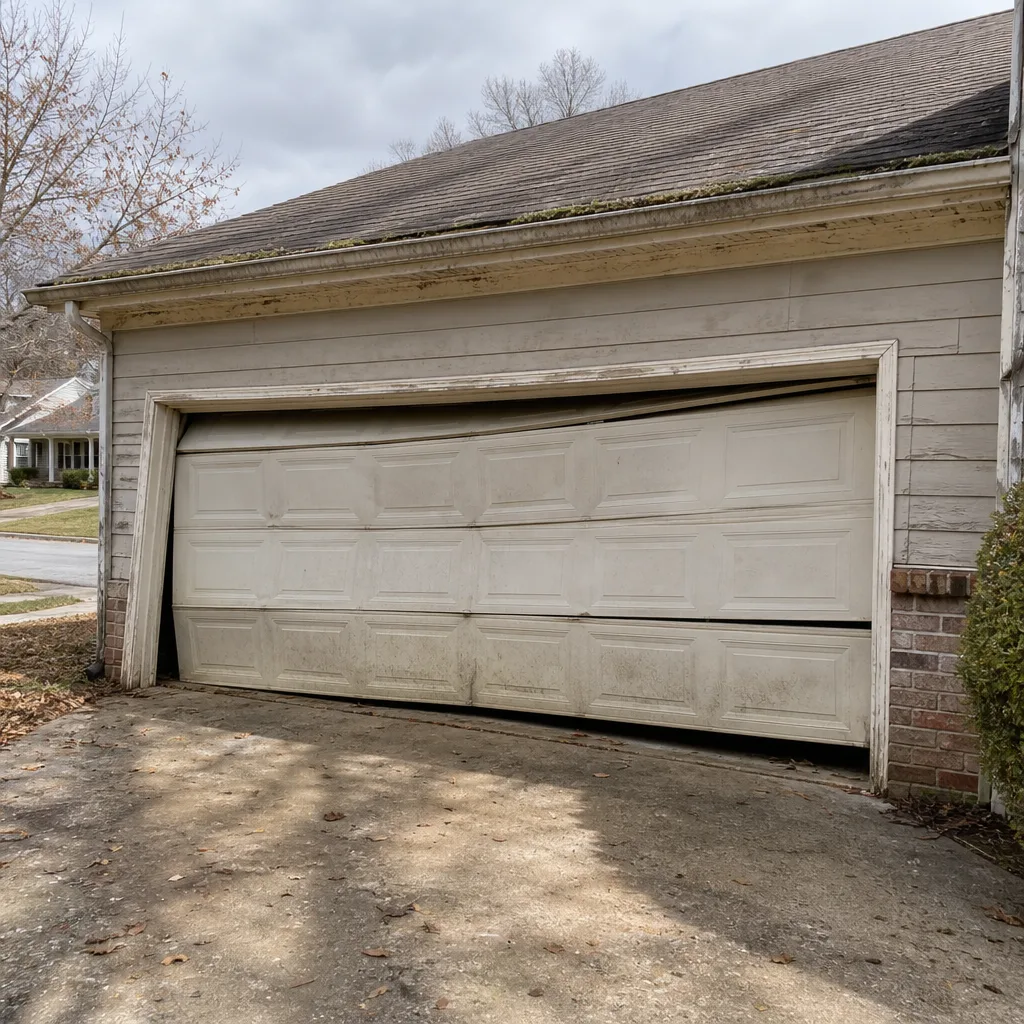 Before
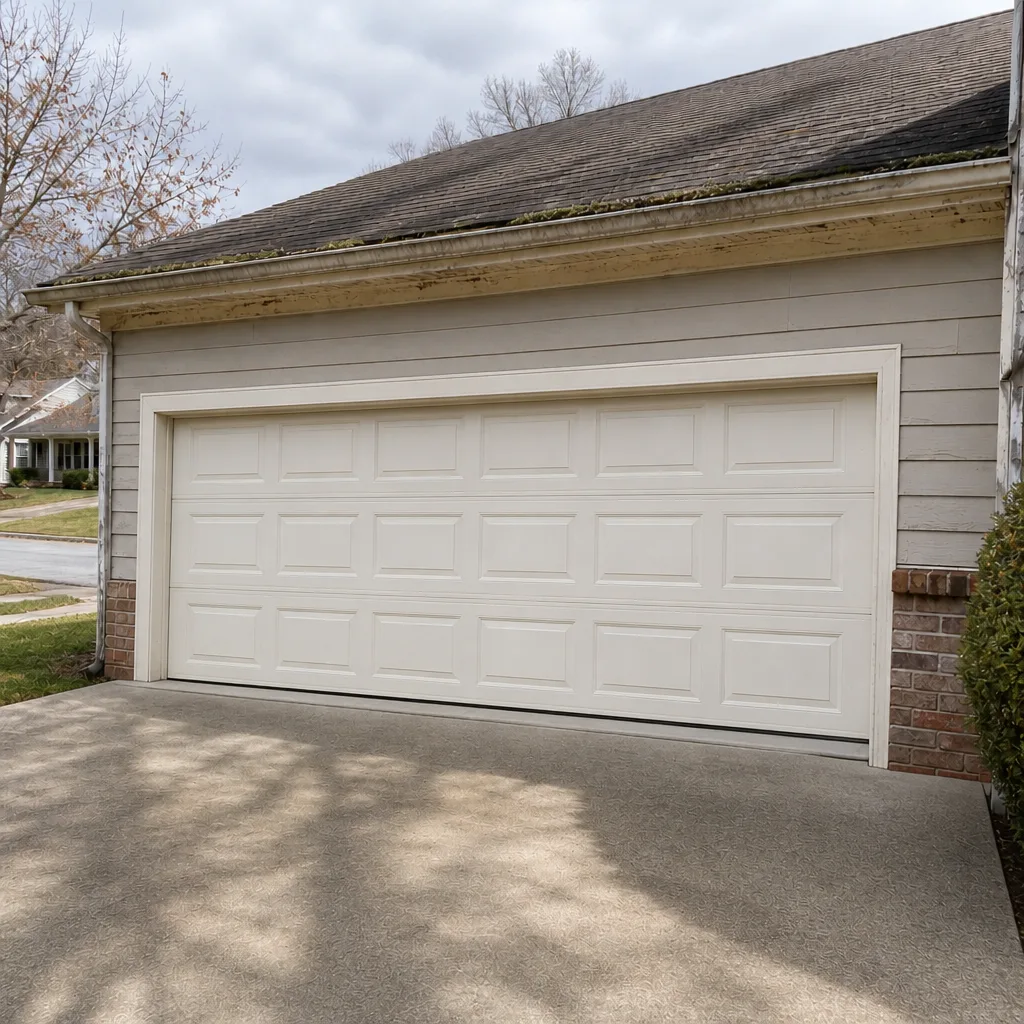 After
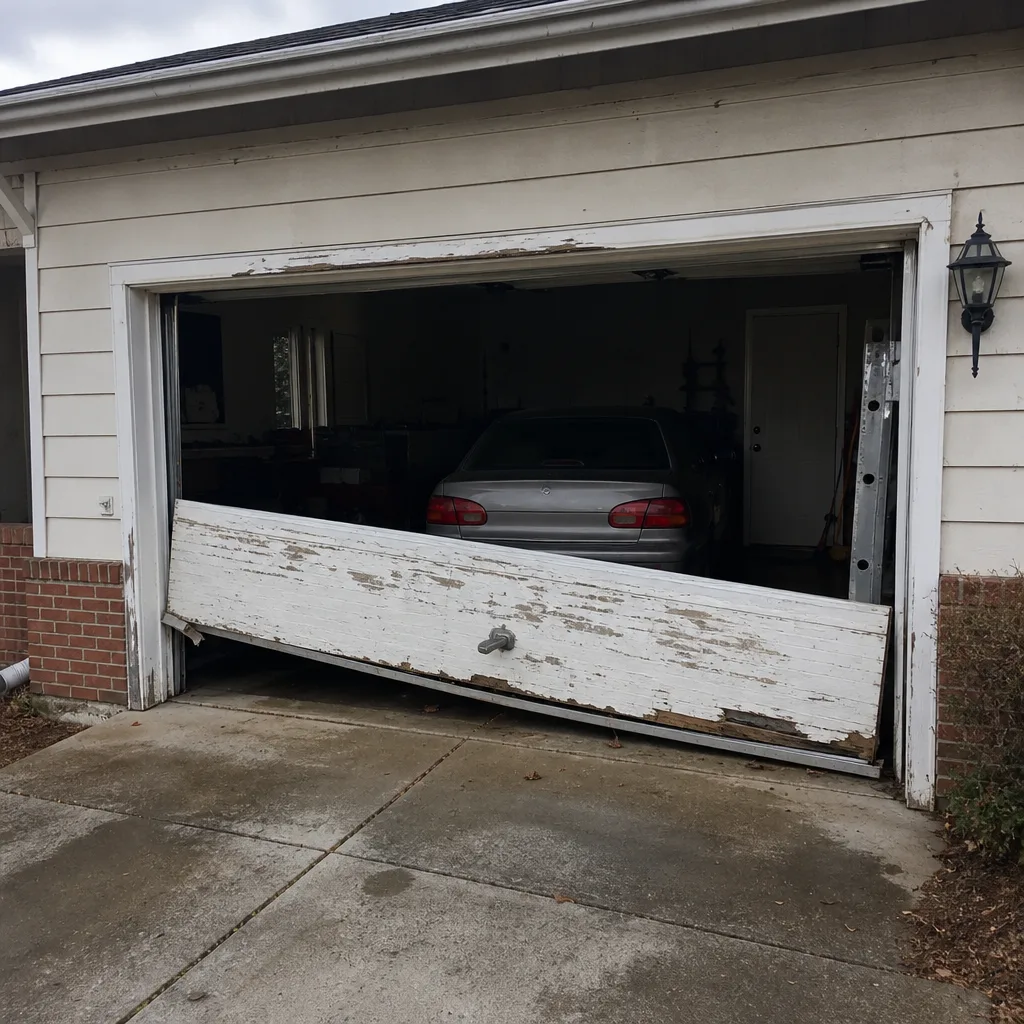 Before
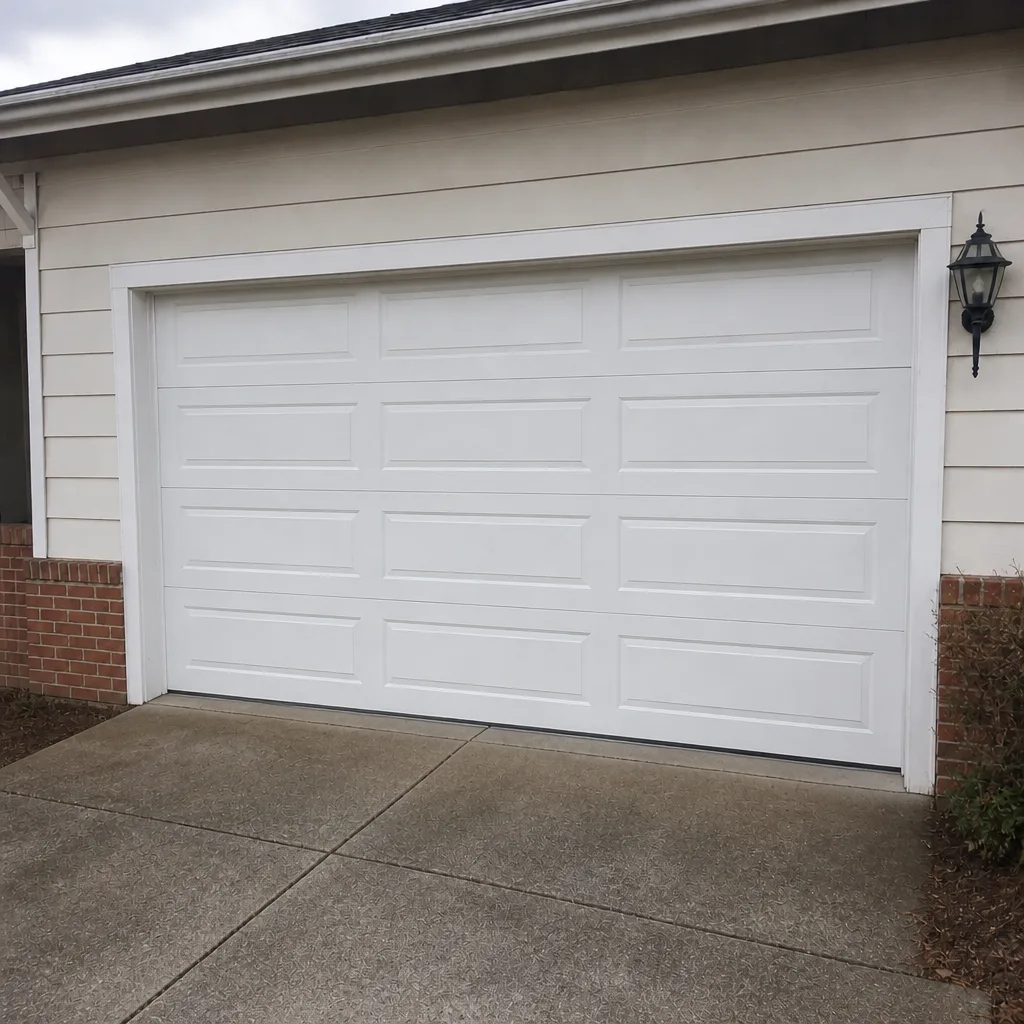 After
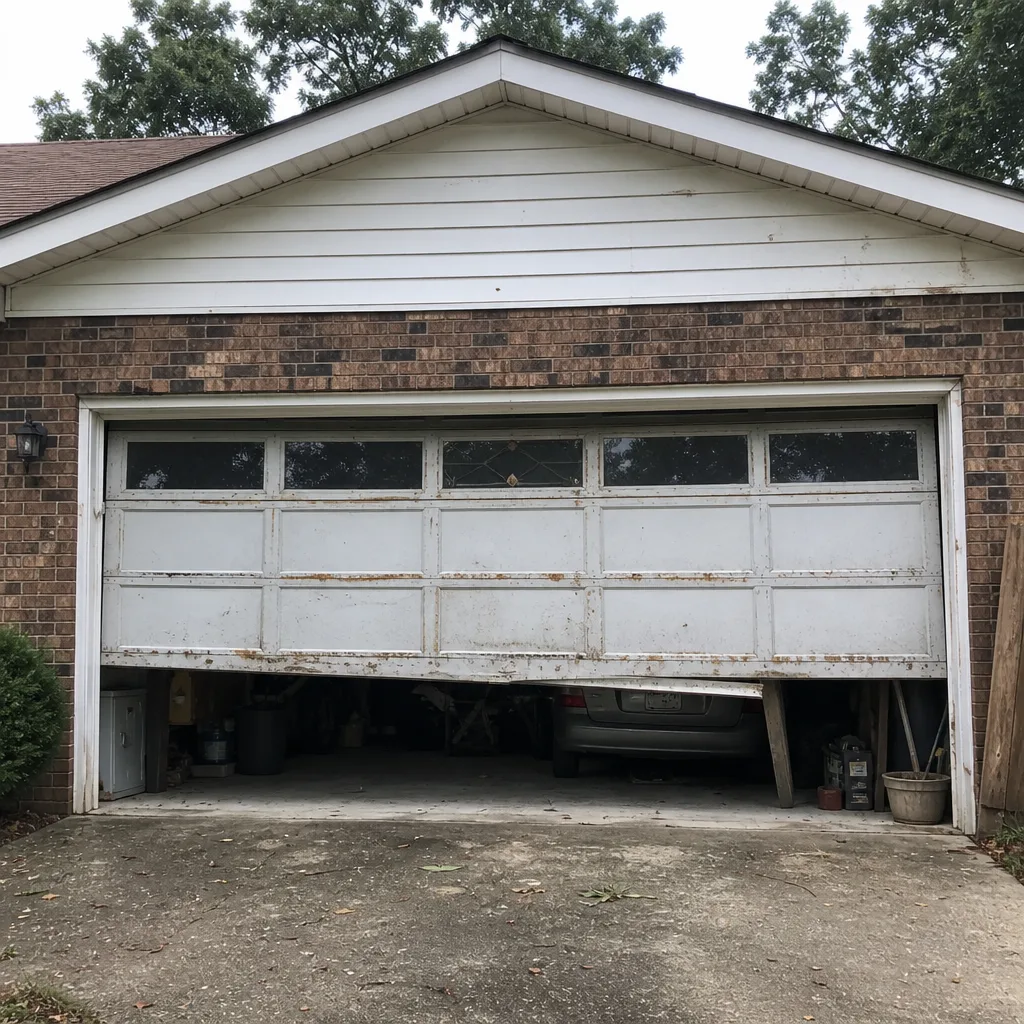 Before
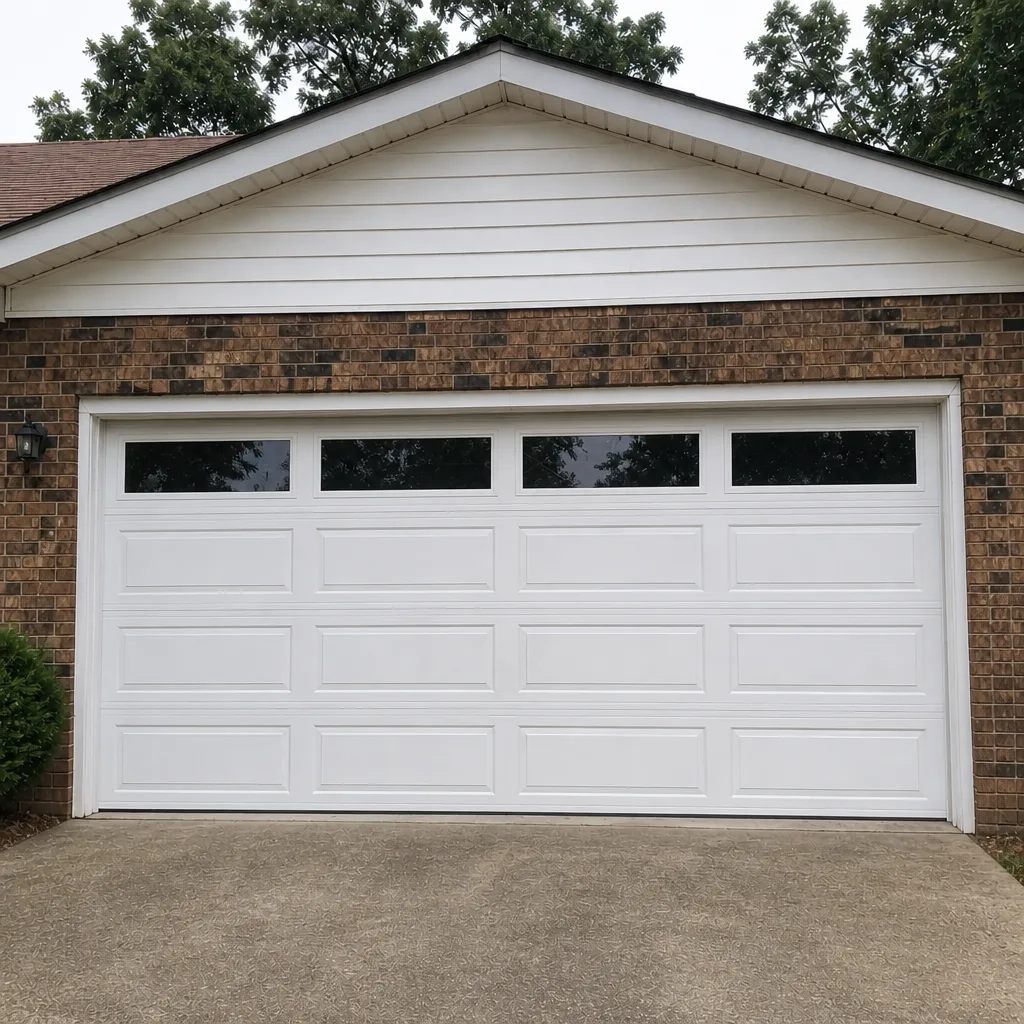 After
When to Call a Professional
Call a professional if you see any Tier 1 symptom, hear banging or popping, or can’t confidently separate a door problem from an opener problem. Call if the door is heavy to lift by hand, if one side travels higher than the other, if the reverse function fails when tested, or if the opener runs but the door doesn’t move. Also call if you’re planning a panel replacement on a Clopay, Amarr, or Wayne Dalton door and want the diagnosis done right the first time, rather than starting with a replacement quote.
Anything involving a torsion spring, a cable, or electrical work inside an opener is not a homeowner job. Those are the components that cause serious injury, and a trained technician is the right call every time.
Tandem Garage Door Repair offers free estimates in Greensboro. Call (855) 554-0021. We answer 24/7. Fast dispatch from 7am to 7pm, Sunday through Friday. The price is quoted and agreed before any work starts.
Frequently Asked Questions
A door that fails the reverse test (doesn’t reverse when an object is placed in its path) is the most serious warning sign, because it can cause injury. Stop using the door and have it serviced before the next cycle. Call (855) 554-0021 for a free estimate.
No. Torsion and extension springs are under high tension and can cause serious injury if handled incorrectly. Only a trained technician should touch a spring, cable, or any hardware under load. Call (855) 554-0021 and we’ll dispatch a technician.
Repair costs in Greensboro vary by the component involved and are set by a written estimate before work begins. Spring, roller, track, and opener repairs each price differently, and a free estimate is the only way to know the number. Call (855) 554-0021 for an exact quote; estimates are free.
Yes, same-day service is often available for repair calls in Greensboro. Call (855) 554-0021. We answer 24/7, with fast dispatch from 7am to 7pm, Sunday through Friday. A call outside dispatch hours is booked into the next opening.
No. The written estimate sets the price, and it’s quoted and agreed before any work starts. If the diagnosis turns up something additional, we tell you before proceeding. Call (855) 554-0021 for a free estimate.
Yes, our technicians are licensed and insured, and they specialize in residential garage doors rather than general handyman work. That focus is why we can diagnose the door and the opener on the same visit. Call (855) 554-0021 to schedule.
The Bottom Line
Not every garage door symptom deserves the same urgency. A snapped spring, a crooked door, a failed reverse test, or a fraying cable means stop using the door today. Grinding, popping, and jerky travel mean schedule service within two weeks. Light rust and minor dents mean monitor at your next maintenance check. Greensboro’s humidity and clay-heavy soil push track alignment, roller wear, and bottom-section rust to the top of the local list, so those are the checks worth doing first. When you’re not sure which tier you’re in, that’s the call to make. Diagnosed, not guessed, and fixed once, fixed right.
Call (855) 554-0021 for a free estimate. The written quote is set before work begins, and we’ll tell you exactly what tier your door is in.
Written by the team at Tandem Garage Door Repair.