
Last updated November 15, 2026
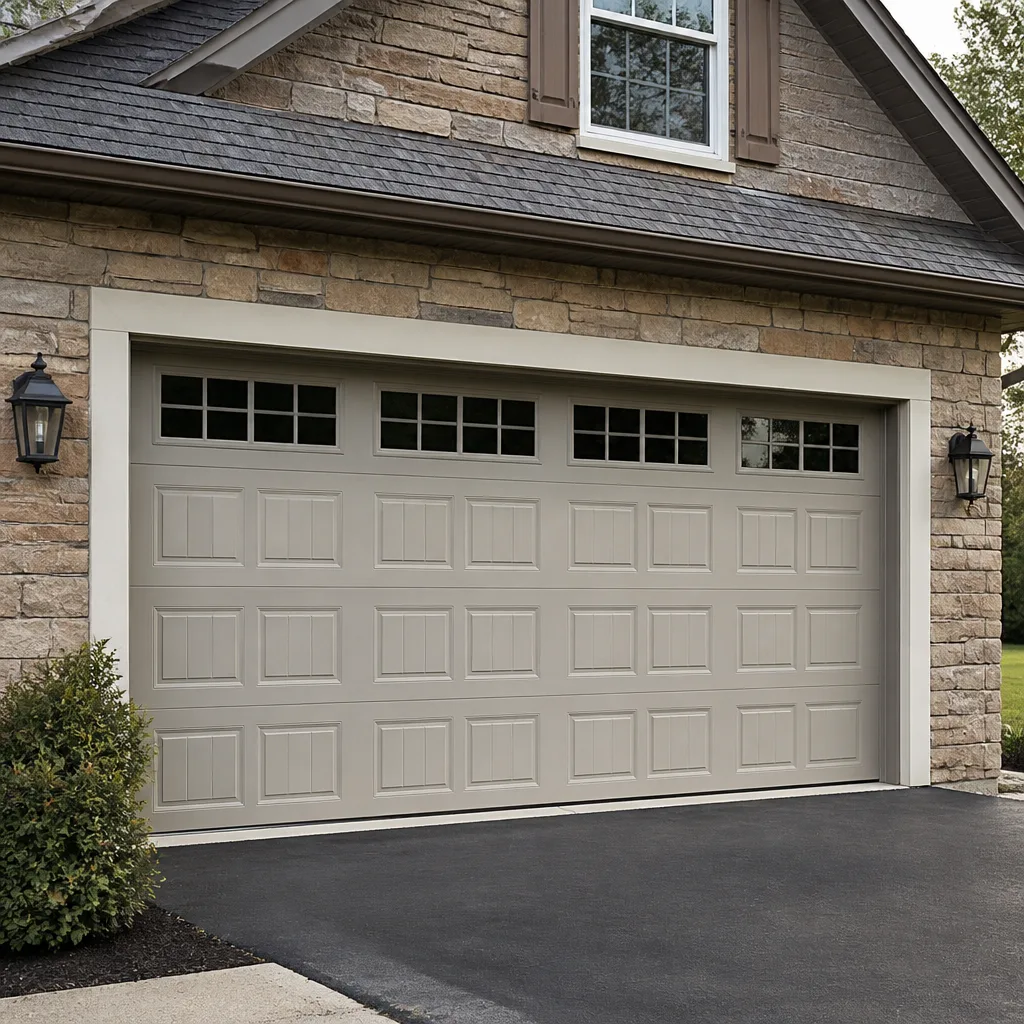 Raised-panel steel
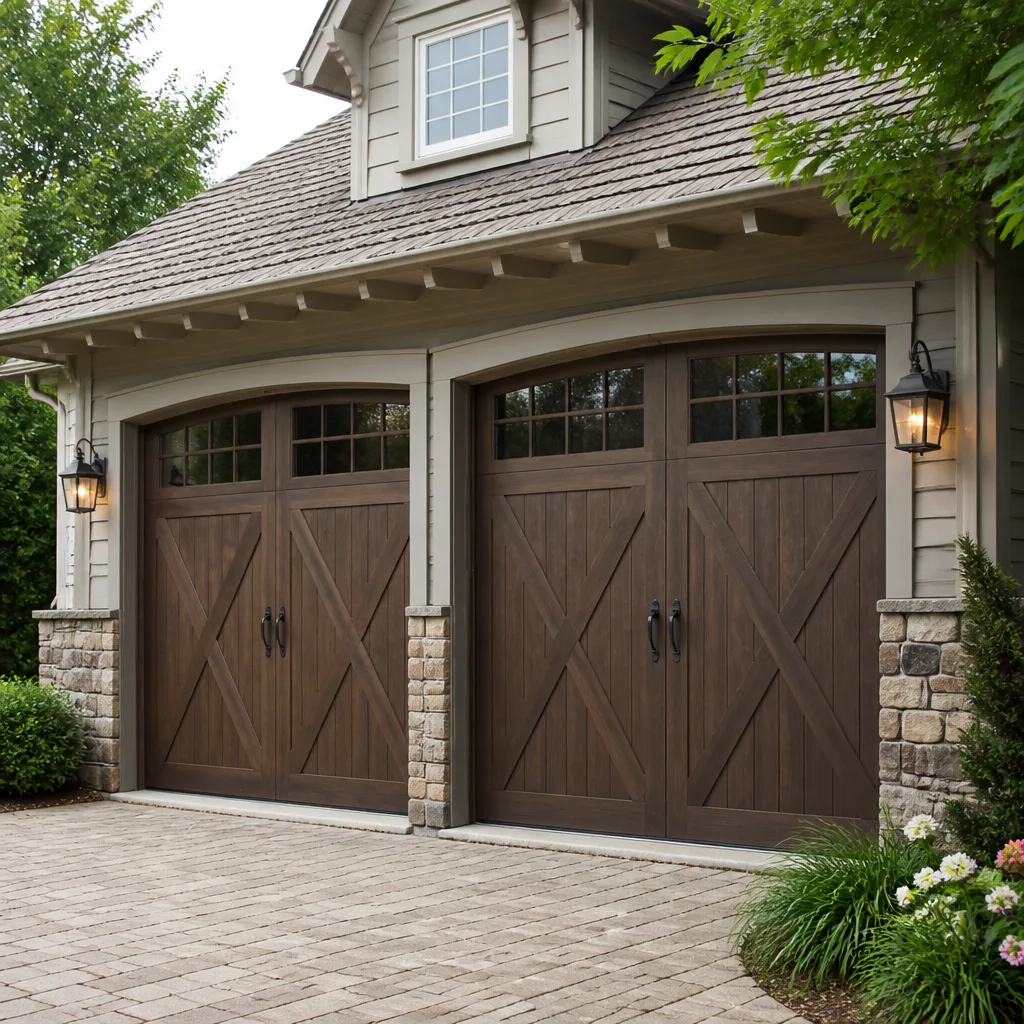 Carriage house
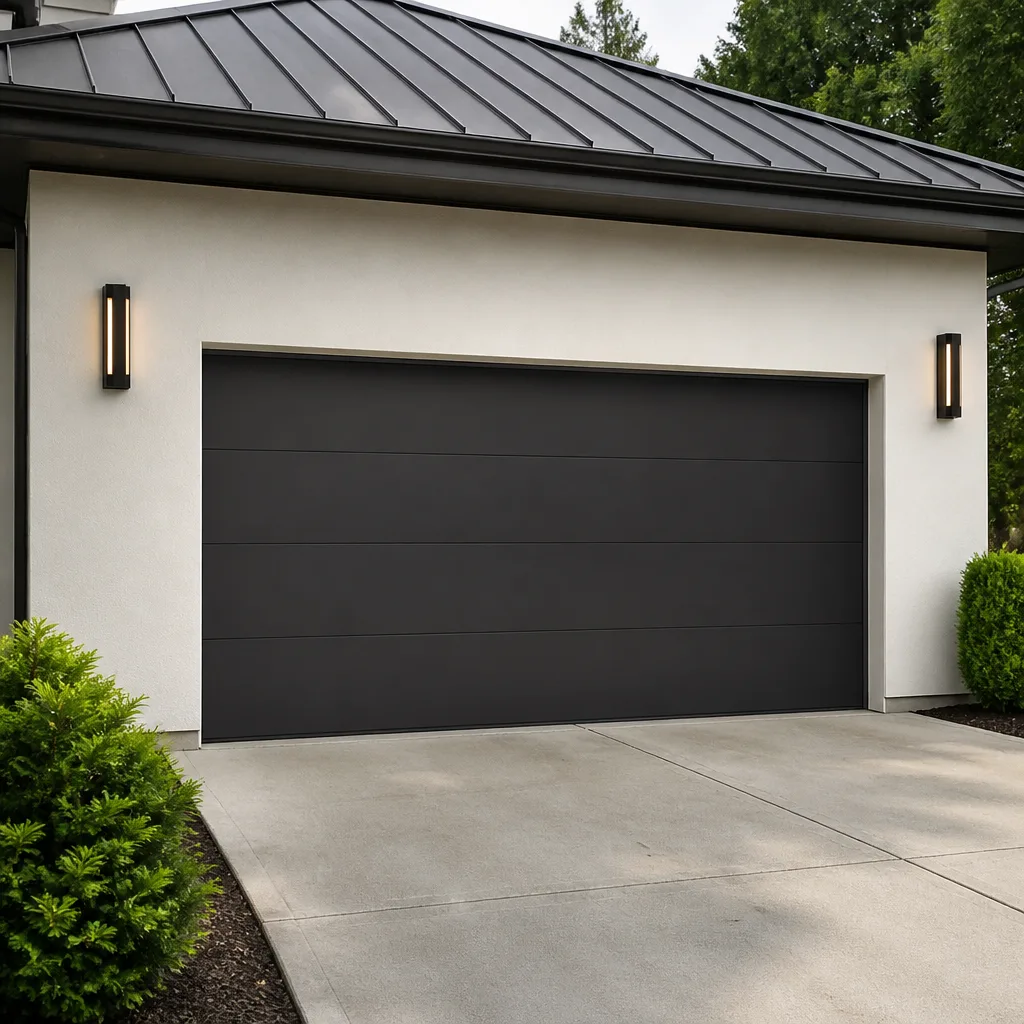 Modern flush
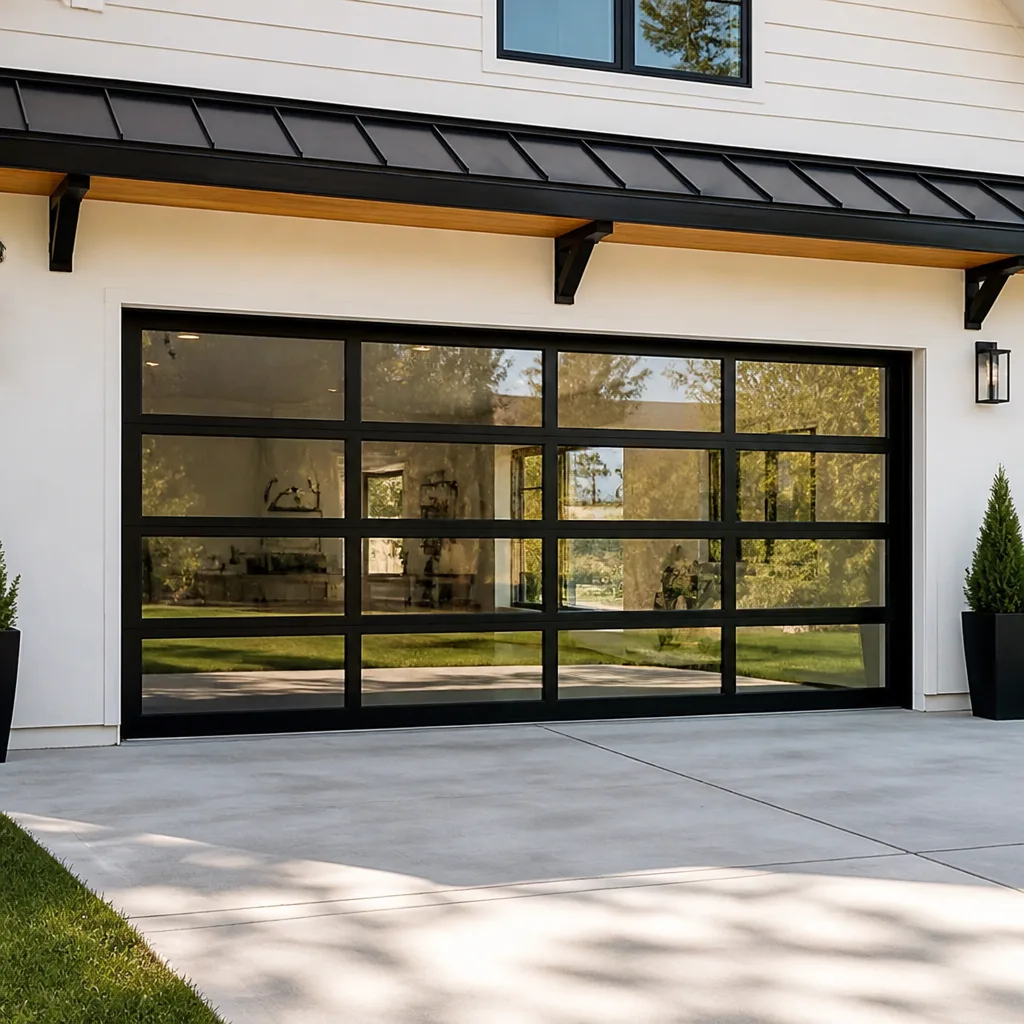 Full-view glass
 LiftMaster openers
 Chamberlain openers
Full 25-point door and opener safety check with every visit - springs, cables, rollers, tracks, and your LiftMaster or Chamberlain opener included
You get a price before we start. It does not change when the pro arrives.
Get your free estimateGarage Door Permits, Codes & Inspections in Greensboro, NC: What You Need to Know
Most garage door work in Greensboro happens without a permit, and most of the time nothing comes of it. That’s the part that lulls people into a false sense of security. The jobs that quietly skip a required permit are usually the same jobs that later run into an insurance adjuster, a home inspector, or a buyer’s lender asking for paperwork nobody kept. This guide is about the narrow set of garage door projects where a City of Greensboro permit and a Guilford County inspection actually matter, how to tell them apart from the ones that don’t, and what documentation to hold onto either way. If you’ve ever wondered whether replacing a door or an opener triggers a permit in Greensboro, you’ll have a clear answer by the end.
Quick Answer
A garage door permit in Greensboro is generally required when the work changes the structure of the opening itself, such as a new header, altered framing, or a different door size than the original rough opening. A straight like-for-like door replacement, or a new opener on an existing door, usually does not need a permit. HOA architectural approval is a separate process from a city permit, and you may need both. When in doubt, confirm with the City of Greensboro’s building department before the work starts, not after.
Styles & brands we work with
- Raised-panel steel
- Carriage house
- Modern flush
- Full-view glass
- LiftMaster openers
- Chamberlain openers
Table of Contents
- What Triggers a Garage Door Permit in Greensboro?
- What “Like-for-Like Replacement” Means Under NC Code
- Opener Installation vs. Door Replacement vs. Structural Changes
- What an NC Residential Inspection Actually Checks
- How HOA Architectural Approval Interacts With City Permits
- What Documentation to Request From Your Contractor
- Why This Matters at Resale and for Insurance Claims
- Choosing a Contractor Who Handles It Right
What Triggers a Garage Door Permit in Greensboro?
Permit thresholds for garage door work come down to one question: are you changing the building, or just the door hanging in it? A permit is triggered when the work involves structural or framing changes to the opening. A simple swap of a door into the same opening, with the same dimensions and no framing changes, generally does not require one.
In Greensboro, garage door work falls under the city’s development ordinances and the North Carolina residential building code. The city’s building department is the authority that issues permits and schedules inspections through Guilford County. We’ve found that homeowners who call ahead with a clear description of the job (“I’m replacing a 16-foot door with a same-size door, no framing changes”) get a straight answer quickly. Vague descriptions (“I’m getting a new garage door”) tend to produce cautious “yes, you probably need a permit” answers that may not actually apply.
Here’s the practical breakdown of what usually triggers a permit and what usually doesn’t:
- Trigger a permit: Widening or narrowing the opening, replacing a header, altering the framing around the opening, changing the door size to something that doesn’t match the original rough opening, or converting the garage to habitable space (which is a much bigger project with its own code requirements).
- Usually don’t require a permit: Like-for-like door replacement at the same size and location, opener installation or replacement on an existing door, spring replacement, cable and roller service, track realignment, and general repair work.
- Needs an HOA check regardless: Any change to the exterior appearance of the door, including color, panel style, and window configuration. That’s a separate approval from the city.
The threshold isn’t always obvious from the street. A homeowner replacing a single door with a double door in a Greensboro neighborhood like Sunset Hills or Lindley Park is doing structural work, even if the change looks simple. A homeowner replacing a worn Clopay door with a new Clopay of the same size is not. When the picture is murky, the right move is calling the city’s building department directly. They answer these questions every day and don’t charge for the answer.
What “Like-for-Like Replacement” Means Under NC Code
“Like-for-like replacement” gets thrown around in garage door work as if it’s a magic phrase that exempts a project from permits. It isn’t that simple. Under North Carolina code, like-for-like means the new door matches the existing door in size, location, structural support, and function. If any of those change, the exemption doesn’t apply.
Here’s what people usually get wrong about this. They hear “like-for-like” and assume it covers any door swap that keeps the garage door in roughly the same spot. But the phrase is narrower than that. A door that’s six inches wider isn’t like-for-like. A door that changes from a single door to a pair of doors with a new center post isn’t like-for-like. A door that gets upgraded to a heavier insulated model requiring additional track reinforcement isn’t automatically like-for-like either, because the structural demands on the opening change.
The cases where like-for-like genuinely applies are straightforward:
- The new door is the same width and height as the old one.
- The new door installs into the same opening using the same attachment points.
- The header, jambs, and framing are not touched.
- The door serves the same function (vehicle access to a garage) and is not being converted into something else.
If all four are true, you’re looking at a routine replacement that typically doesn’t require a permit in Greensboro. If any one of those points changes, the picture shifts, and it’s worth a call to the city before ordering the door. This matters more than most homeowners realize when they’re upgrading to a premium Amarr or Wayne Dalton model, because a heavier door may require reinforcement that counts as a structural change. That’s a conversation worth having before the door is ordered, not after it’s on the truck.
Opener Installation vs. Door Replacement vs. Structural Changes
Garage door work covers three very different categories, and each has its own permit posture. Knowing the categories makes the whole question much clearer.
Opener installation or replacement
Replacing an opener is almost never a permit situation. You’re swapping one motorized unit for another in the same location, using the same attachment to the door and the ceiling. This applies whether you’re installing a new LiftMaster or Chamberlain smart opener, replacing an aging Genie, or swapping in a Craftsman unit. The door and the opening don’t change, so the permit question doesn’t come up. The one thing that matters here is that the safety reverse system is tested and working before the job is called done. That’s not a permit issue, but it’s a safety issue and it’s part of a proper opener install.
Door replacement (like-for-like)
Same-size door into the same opening, no framing changes. Usually no permit required. This covers the majority of garage door replacement work we see around Greensboro, whether the door is being replaced due to wear, storm damage, or a style upgrade. The door needs to be sized correctly for the opening, the tracks and springs need to be matched to the new door’s weight, and the safety features need to be tested, but the building department doesn’t need to be involved.
Structural changes to the opening
This is where permits come in. Widening the opening, adding a header, changing the framing, or converting the garage into a different kind of space all count as structural work. These changes alter the load-bearing behavior of the wall and the opening, and they need to be permitted and inspected. This is also where homeowners get into trouble with insurance adjusters later, because an unpermitted structural change is the kind of thing that prompts a claim denial. Nobody’s adjuster will deny a claim over an unpermitted opener swap. Structural changes are a different story.
We work on the door you have, and that means we work with the category your project actually fits into. If your job involves structural changes, we’ll tell you up front that a permit is part of the plan. If it’s a like-for-like swap or an opener replacement, we’ll say so plainly. Diagnosed, not guessed, applies to the permit question as much as it applies to a broken spring.
What an NC Residential Inspection Actually Checks
When a garage door project does require a permit and inspection, homeowners often wonder what the inspector is looking for. In our experience with Greensboro projects, the inspection focuses on structural integrity and safety, not cosmetic details. The inspector isn’t there to judge whether your new door looks nice. They’re there to confirm the work is safe and code-compliant.
Here’s what the inspection typically covers:
- Structural integrity of the opening. Header size, framing attachment, and load-bearing considerations for the new door. If you widened the opening or replaced a header, this is the main event.
- Proper attachment. Tracks and springs must be fastened to structural framing, not to drywall or trim. Inspectors look at how the door is hanging and whether the attachment points are substantial enough for the load.
- Safety devices. The photo-eye safety reverse system must be installed at the correct height and operating properly. The door must reverse when it meets an obstruction. These are non-negotiable safety requirements.
- Clearances and operation. The door must open and close freely, with proper track alignment and no binding. The emergency release must function correctly.
- Labeling and documentation. The door assembly and any structural changes should be documented in a way that matches the permit submission.
One important note about safety: garage door springs and cables are under extreme tension, and adjusting them is dangerous. We don’t encourage any homeowner to work on springs or cables themselves. When an inspection is part of a permitted job, the springs and cables are handled by a trained technician as part of the work. If something goes wrong with a spring on an unpermitted door, it’s still a job for a professional, and it’s still worth knowing what state the door’s installation paperwork is in.
How HOA Architectural Approval Interacts With City Permits
Here’s a point that comes up constantly in Greensboro, especially in neighborhoods with active associations: HOA architectural approval and city permits are two separate processes, and you may need both. Getting one does not satisfy the other. The city doesn’t care about your HOA’s color palette, and your HOA doesn’t care about the city’s permit requirements. They run on parallel tracks.
HOA architectural review typically covers the visible appearance of the door: color, panel style, window configuration, and whether the new door fits the neighborhood’s aesthetic guidelines. The city’s building department, when involved, covers structural and safety compliance. A door replacement that requires no city permit still usually requires HOA approval. A structural change that requires a city permit also requires HOA approval in most associations.
Filing them in the wrong order causes problems. If you install a door that doesn’t meet HOA guidelines because you assumed the city’s approval covered it, you may end up removing and replacing a door you just bought. If you get HOA approval but skip a required city permit, you’ve created the insurance and resale issue described later in this guide. Both processes need to happen, and they need to happen before the door is ordered.
Our view, after working on a lot of doors in Greensboro’s established neighborhoods, is that the HOA question is the one homeowners forget most often. The city permit question gets asked because there’s a building department to call. The HOA question doesn’t have a phone number homeowners know to dial. Start with the association’s architectural review committee, get their written approval, then handle the city’s permitting process if the job requires it. Two approvals, one project, done correctly the first time.
What Documentation to Request From Your Contractor
Whichever way your project goes, keep a paper trail. This is the detail that quietly determines how a future resale, insurance claim, or home inspection goes. Homeowners spend five figures on garage door work and then can’t produce a single document when an adjuster asks. That doesn’t have to be you.
Here’s what to ask for when the job is done:
- The written estimate. A document that spells out scope of work, door model, opener model if applicable, and price. This is your primary record of what was done. On any job, the written estimate sets the final price, and it should match the invoice.
- Permit documentation, if a permit was pulled. The permit number, the inspection sign-off, and any paperwork from the city. This is the single most important document if the job involved structural changes.
- Manufacturer documentation. The door and opener manuals, plus any warranty paperwork the manufacturer provides. If your door was Clopay or Amarr, their warranty terms are worth keeping in a file.
- Proof of insurance. A current certificate of insurance for the contractor doing the work. This protects you if something goes wrong on the job.
- Job notes. A brief written summary of what was diagnosed and what was done. At Tandem, two-way communication between technician and homeowner is part of how we work, so you understand what failed, why, and what was fixed. That conversation is worth keeping in writing.
Ask for these before the technician leaves, not weeks later. It’s much easier to hand over documentation while the job is still fresh.
Why This Matters at Resale and for Insurance Claims
The permit question is quiet in the moment and loud later on. When a home inspector is going through your garage during a sale, they look at the door, the opener, the framing, and any structural work. If they see signs of a modification that should have been permitted but wasn’t, they’ll flag it. That flag can stall a closing, trigger a buyer’s request for a price reduction, or prompt a demand for retroactive permitting, which is much more expensive than doing it correctly the first time.
Insurance claims follow a similar logic. If a new garage door was installed without a required permit and then a vehicle impact or a break-in damages it, the adjuster may ask for the installation paperwork. An unpermitted structural change or an undocumented install can reduce the payout or give the insurer grounds to question the claim. We’re not in the business of insurance advice, but we can tell you what adjusters ask for, and they ask for documentation.
The permits themselves aren’t the expensive part. The documentation gap is. Homeowners who pull the required permit and keep the sign-off have a paper trail that costs them nothing to produce during a sale or a claim. Homeowners who skip it and can’t reconstruct the paperwork are the ones who run into trouble. It’s a small amount of foresight for a meaningful amount of protection.
And this is where choosing the right contractor matters. A contractor who understands Greensboro’s permit picture will tell you plainly whether your job needs one. A contractor who waves off the question isn’t helping you. For straight garage door repair work, the permit question rarely comes up. For structural changes, it always does. Knowing which category your project is in before the work starts saves everyone a headache.
Choosing a Contractor Who Handles It Right
The clearest signal that a contractor knows what they’re doing is how they answer the permit question. If they can tell you exactly which jobs in Greensboro require a city permit and which don’t, they’ve done this before. If they tell you permits are “never” needed for garage door work, or that permits are “always” needed, they’re guessing. Neither answer is right.
A second signal is brand-agnostic capability. A contractor who only works on one manufacturer’s products may push you toward that manufacturer’s door even when your project would be better served by a different one. A contractor who works across the leading brands, from Genie openers to Wayne Dalton doors to Clopay and Amarr panels, can recommend based on what the door needs rather than what they stock. That matters for the permit picture too, because structural decisions (like whether a heavier door requires track reinforcement) come from the door’s requirements, not the contractor’s product lineup.
A third signal is who shows up and what they know. Residential garage door work is a category specialty. A general handyman may handle a simple opener swap, but a structural change to the opening or a careful, permit-compliant installation of a new door is a job for a specialist. This is where a specialist trade service earns its place. If you’re planning garage door opener repair alongside a door replacement, you want the same specialist handling both, since the opener and door need to be matched.
A fourth signal is communication. When a technician explains what failed, what they’re doing about it, and what to expect next, you can make an informed decision about permits and documentation before the work is done. When a technician works silently and hands you an invoice, you’re guessing. Two-way communication isn’t a luxury. It’s how you avoid surprises at resale and during a claim.
Our technicians have up to 14 years of experience working on residential garage doors in Greensboro. That experience is what informs our answers to the permit question, on your project specifically, not on an average of garage doors somewhere else.
Common Mistakes to Avoid
- Assuming “like-for-like” covers any door swap. It covers same-size replacements into the same opening with no framing changes. A door that’s a different size, or that requires track reinforcement, doesn’t fit the exemption. Confirm with the city before ordering.
- Skipping HOA approval because you got a permit. The two approvals are separate, and getting one doesn’t satisfy the other. Start with the HOA review, since that decision may affect which door you can install.
- Assuming all garage door work is exempt. Opener swaps and like-for-like replacements usually are exempt. Structural changes aren’t. Widening an opening, adding a header, or replacing framing all fall under the permit requirement.
- Not keeping the paperwork. The written estimate, permit sign-off if there is one, manufacturer documentation, and insurance certificate should all go in one file. Homeowners who skip this catch up years later.
- Choosing a contractor by price alone. A lower bid that skips a required permit isn’t cheaper in the long run, because you’ll pay for the permit retroactively and may pay more for the fix. The written quote should always be agreed before work starts, and it should reflect the work that’s actually needed.
- Ordering the door before checking the permit and HOA picture. If the permit is required and the drawings or the door size don’t match, you may be returning a door you can’t install. Do the approvals first, order the door second.
- Letting anyone but a specialist touch springs or cables. These components are under extreme tension and can cause serious injury. Any adjustment to them should go to a trained technician, permit or not.
See the difference
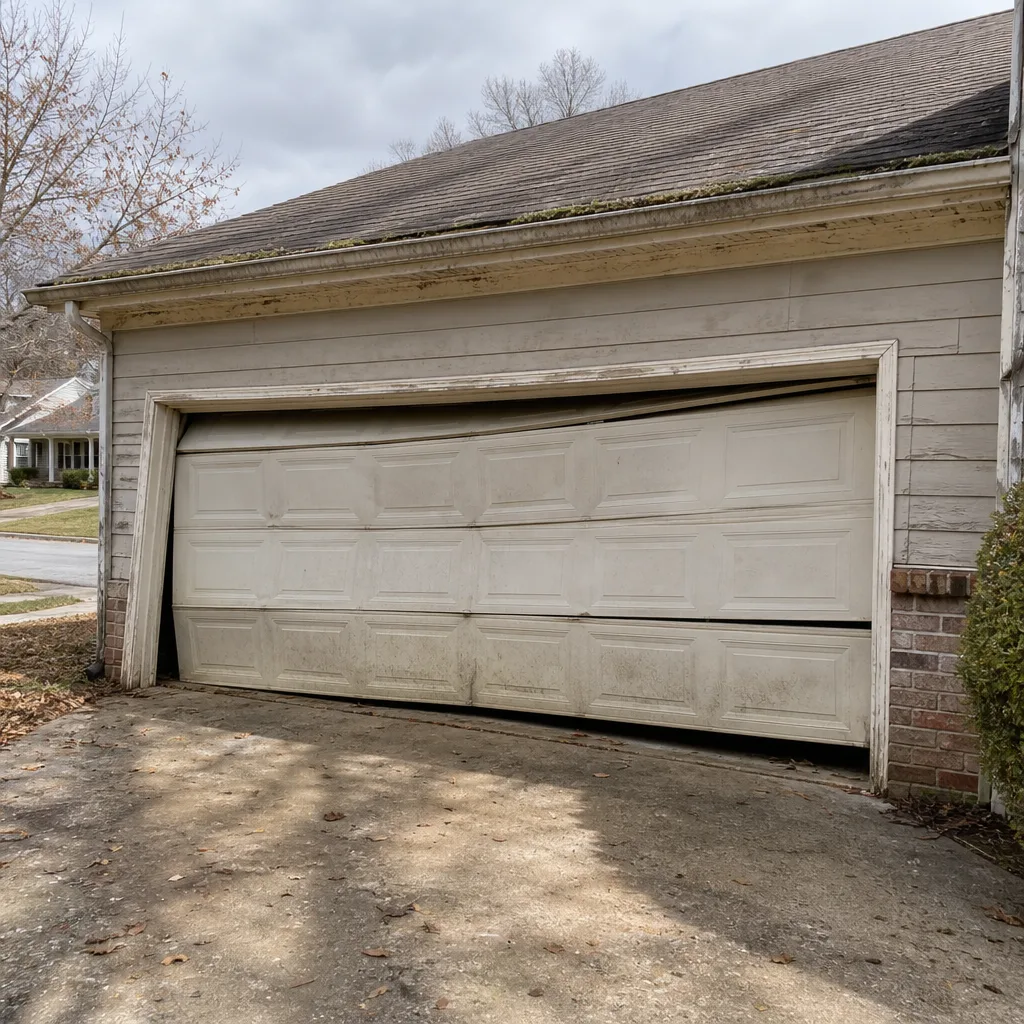 Before
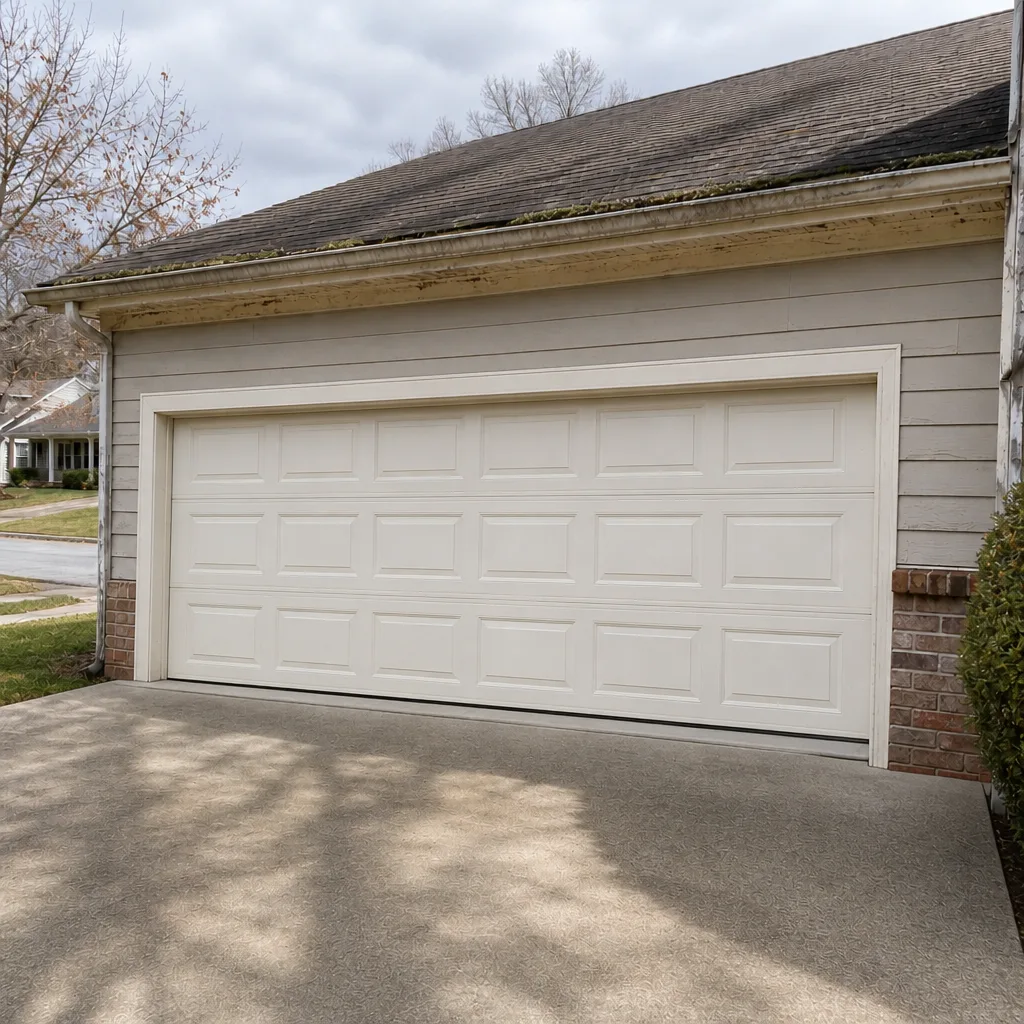 After
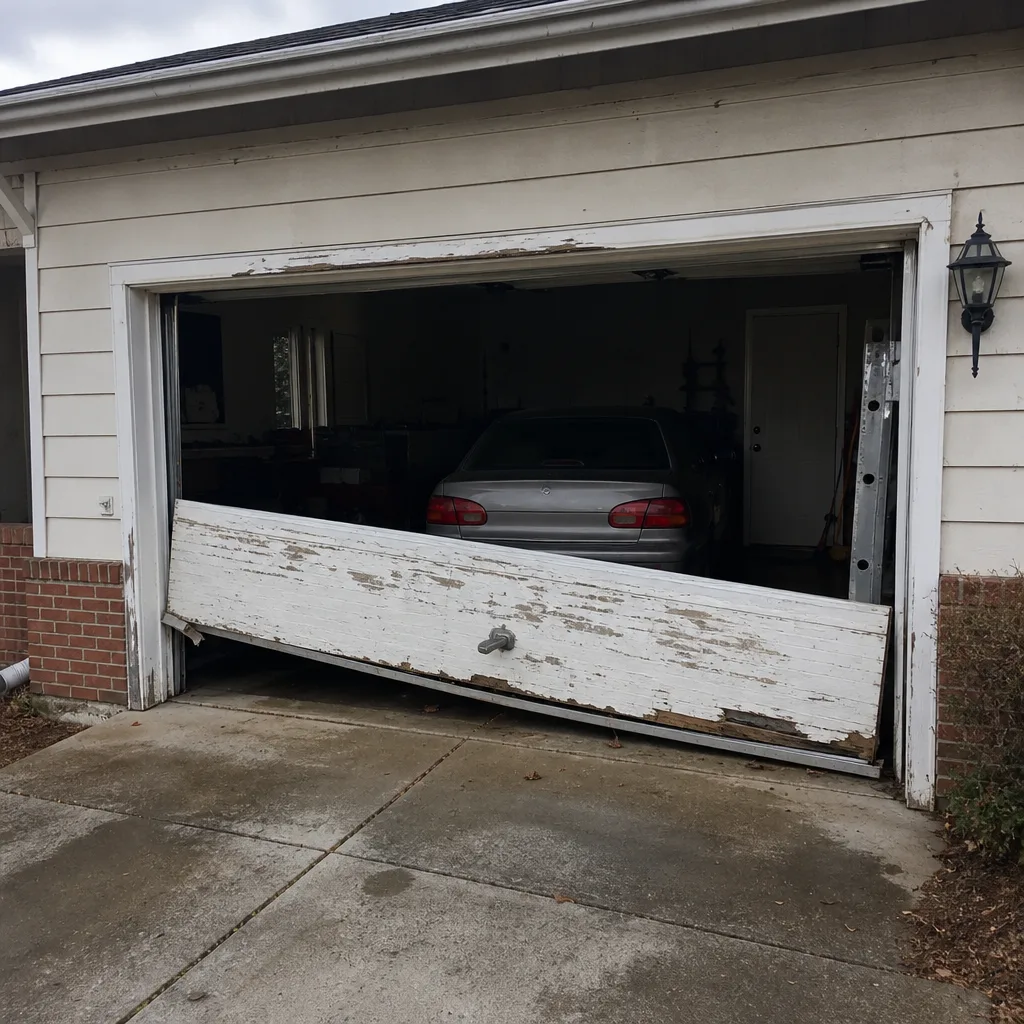 Before
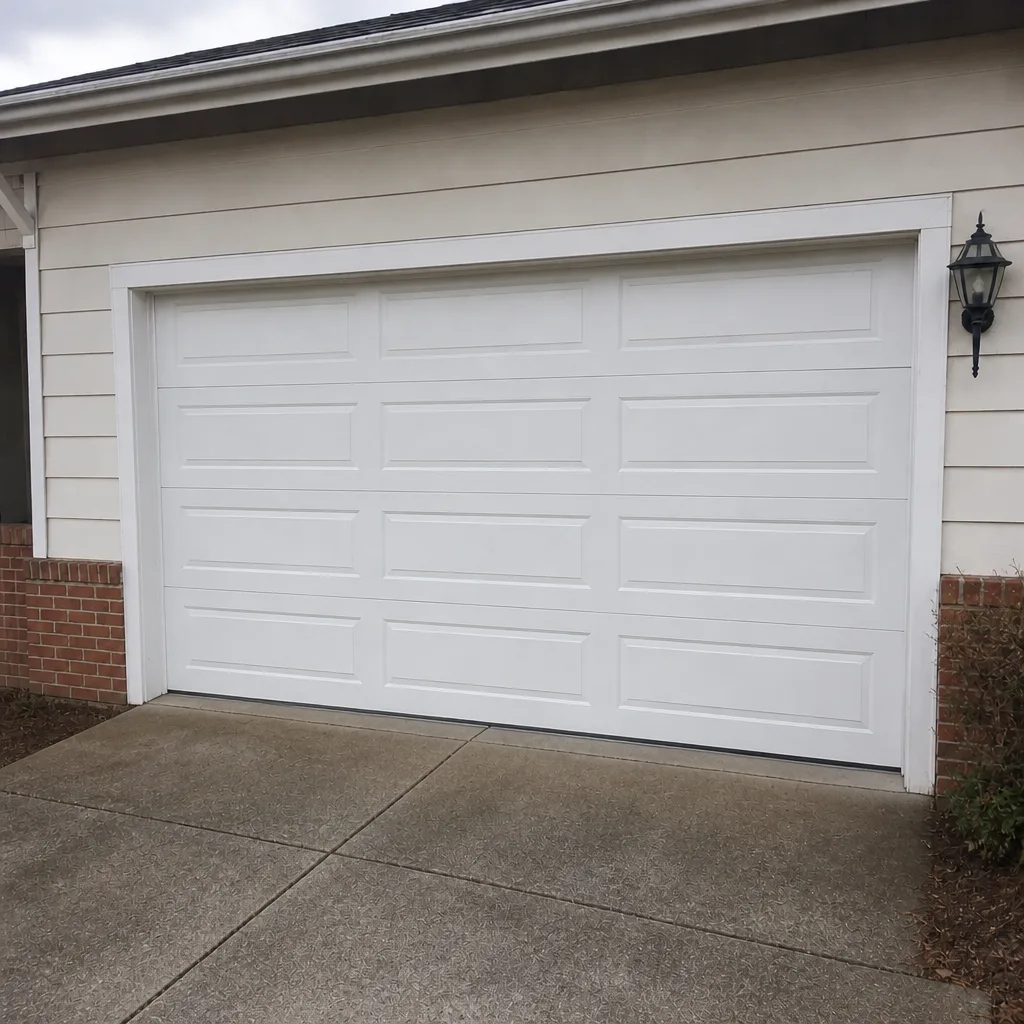 After
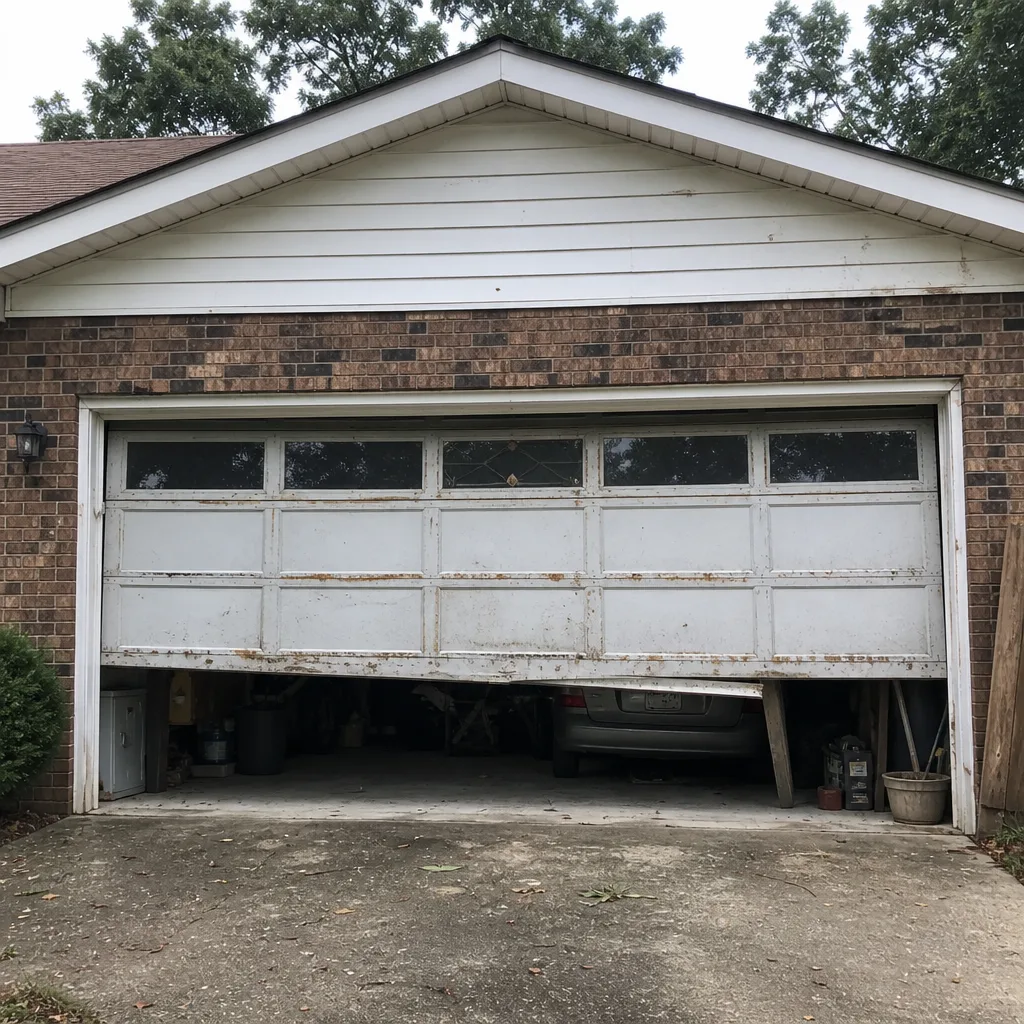 Before
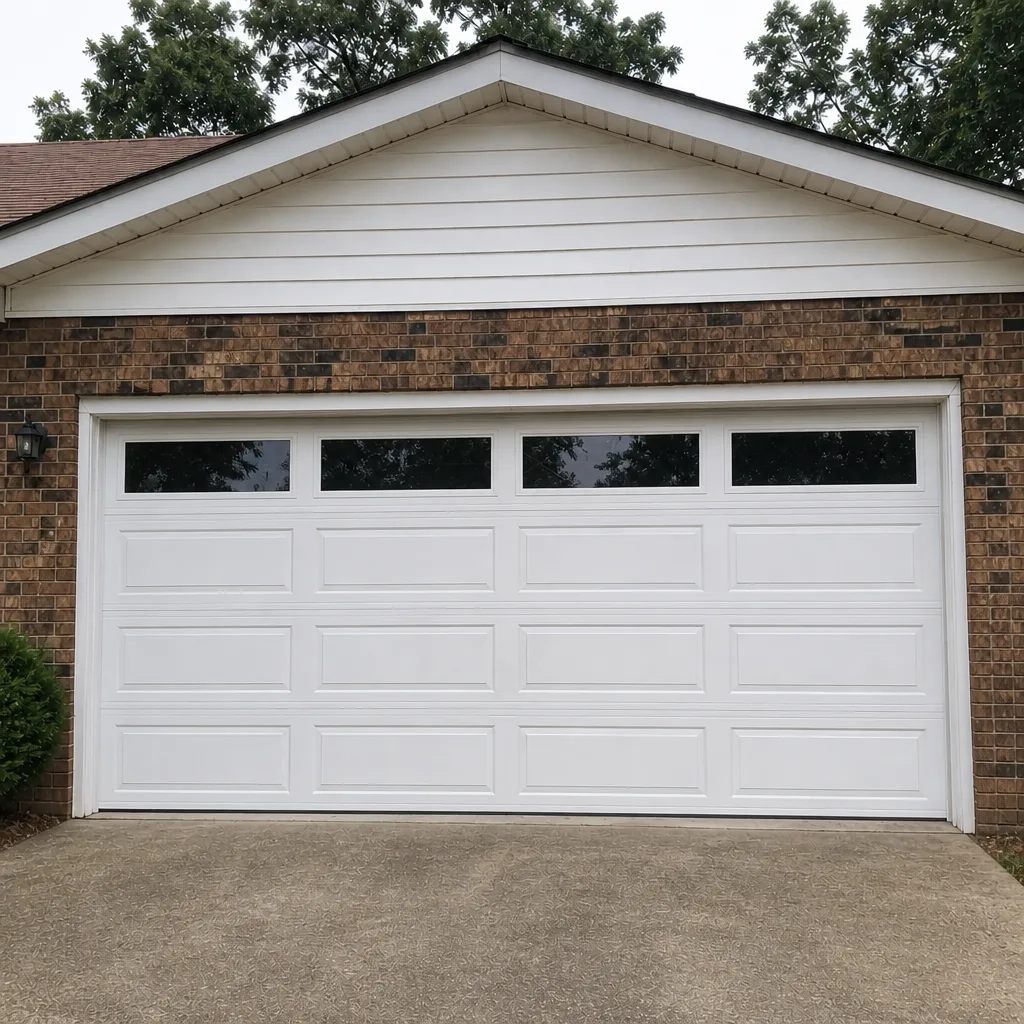 After
When to Call a Professional
If your project involves a structural change to the opening, a permit and an inspection are likely part of the job, and that work needs a professional from the start. If you’re not sure whether your job counts as structural, a quick call clears it up. Springs or cables need adjustment? That’s a specialist job regardless of the permit question. And if you’re planning a new door, want to confirm the permit picture, or need a same-day fix on a door that’s stuck or unbalanced, call us.
Tandem Garage Door Repair offers free estimates in Greensboro. Call (855) 554-0021. We answer 24/7. Fast dispatch from 7am to 7pm, Sunday through Friday.
Frequently Asked Questions
Not usually, if the replacement is like-for-like. A same-size door into the same opening with no framing changes typically doesn’t require a permit in Greensboro. A structural change (widening the opening, replacing a header, altering framing) does. Check with the city’s building department before ordering the door if you’re uncertain. Call (855) 554-0021 for a free estimate on the installation itself, and we can walk you through what your project involves.
No, opener installation or replacement is almost never a permit situation in Greensboro. There’s no structural change to the building and no alteration to the opening. If your opener is failing, running the door unevenly, or no longer responding to the remote, we can diagnose it and replace it. Call (855) 554-0021 for openers on existing doors, whether it’s a LiftMaster, Chamberlain, or Genie unit.
Yes, usually. HOA architectural approval and city permits are separate processes in Greensboro. The HOA reviews appearance (color, panel style, windows), the city reviews structure and safety. Getting one doesn’t satisfy the other. Start with the HOA, since that decision affects which door you can order. Call (855) 554-0021 if you need help confirming the door model your HOA already approved, and we can install or repair to that spec.
It means the new door matches the existing door in size, location, and structural support, with no changes to the opening. Same width, same height, same attachment points, no framing changes. If any of those change, the exemption doesn’t apply. What most homeowners miss is that a heavier door requiring track reinforcement can count as a structural change, so like-for-like isn’t always as simple as it sounds. Call (855) 554-0021 to confirm what your replacement involves before you order.
Structural framing, proper attachment of tracks and springs to structural wood, safety reverse operation, and clear operation. The inspector isn’t there to judge the finish on the door, but they will check whether the door opens and closes safely and whether the safety reverse system works. Every permitted inspection in Greensboro follows roughly this pattern. If your project needs an inspection, you need a contractor who’s ready for it. Call (855) 554-0021 and we’ll confirm what your project requires.
A written estimate, permit documentation if a permit was pulled, manufacturer paperwork for the door and opener, proof of insurance, and a summary of what was diagnosed and what was done. Keep all of it in one place. These documents matter at resale and if you ever need to file an insurance claim. Call (855) 554-0021 for a free estimate, and we’ll provide all of this before we leave.
The Bottom Line
Most garage door work in Greensboro doesn’t require a permit. Like-for-like replacements and opener swaps fall outside the permit picture. Structural changes don’t, and those are the jobs where the paperwork matters most. HOA approval is separate from city permits, and both may apply. “Like-for-like” is narrower than it sounds. Keep your documentation after every job, whether a permit was involved or not. If you’re planning a project and want a free estimate, call (855) 554-0021. We answer 24/7. Fast dispatch from 7am to 7pm, Sunday through Friday. For a door that needs attention now, the Tandem Garage Door Repair team can be on the way. For more detail on how we work in the area, visit our Greensboro page.
Written by the team at Tandem Garage Door Repair.