
Last updated November 15, 2026
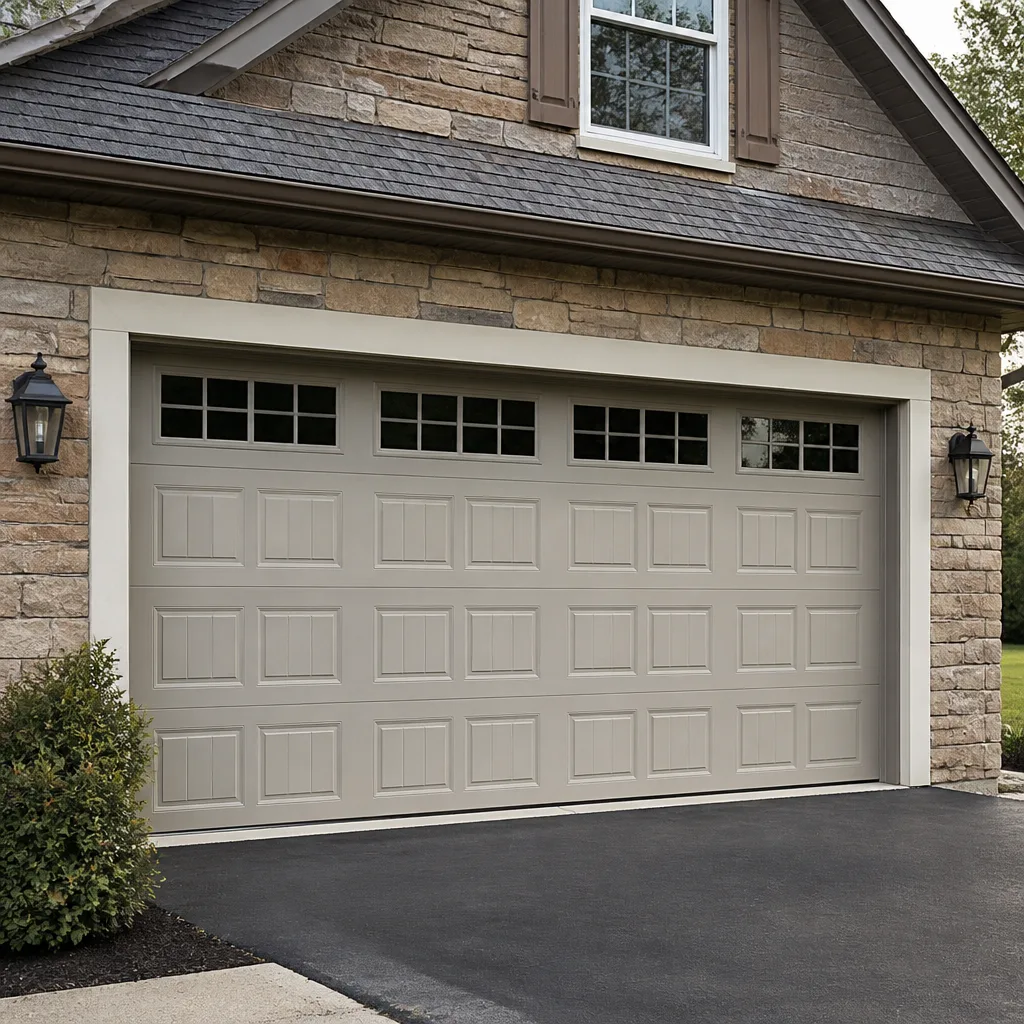 Raised-panel steel
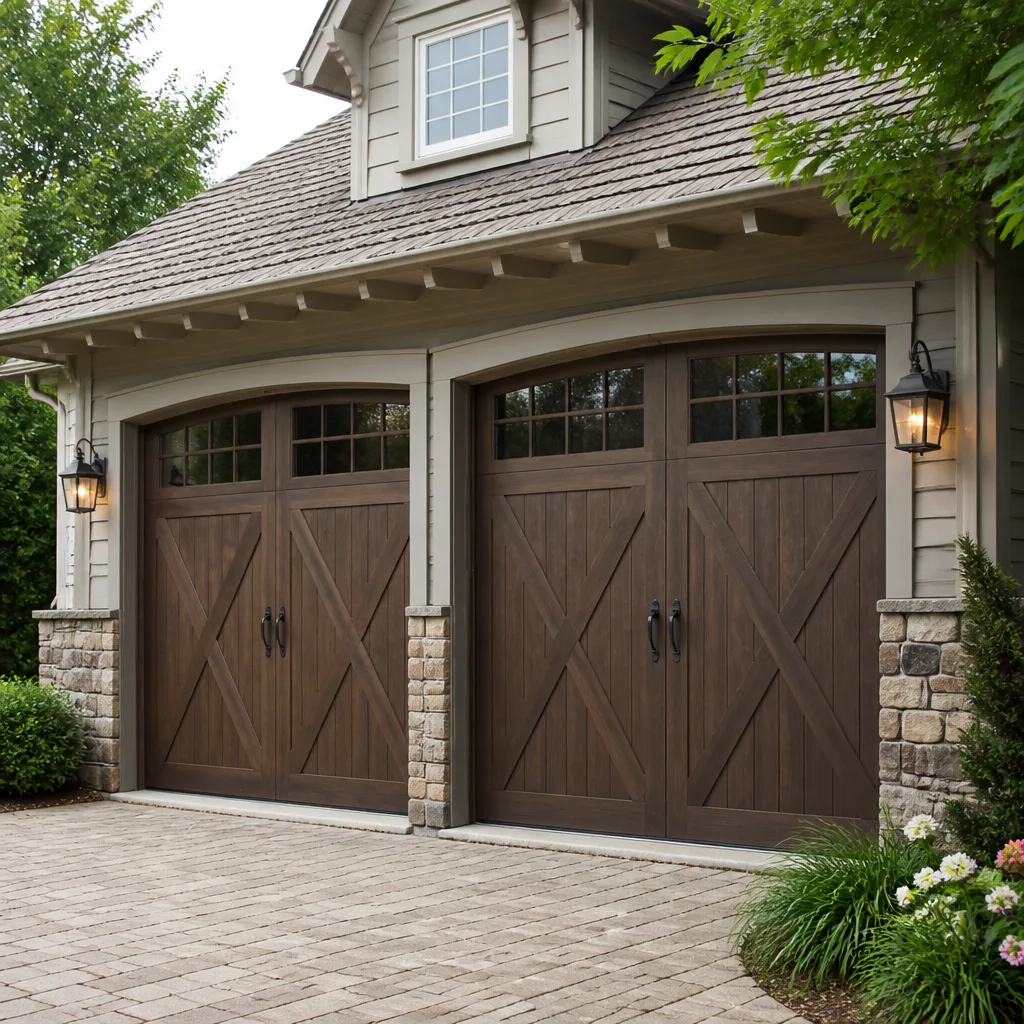 Carriage house
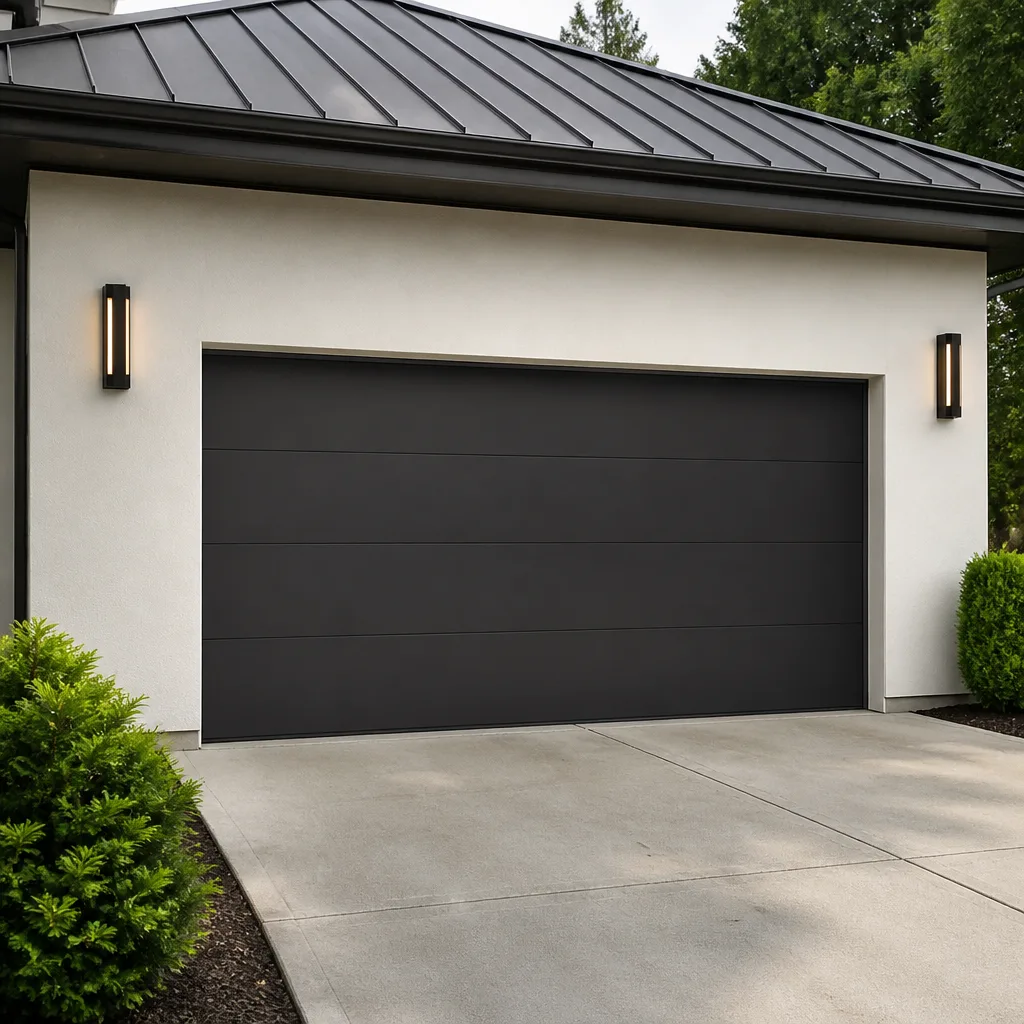 Modern flush
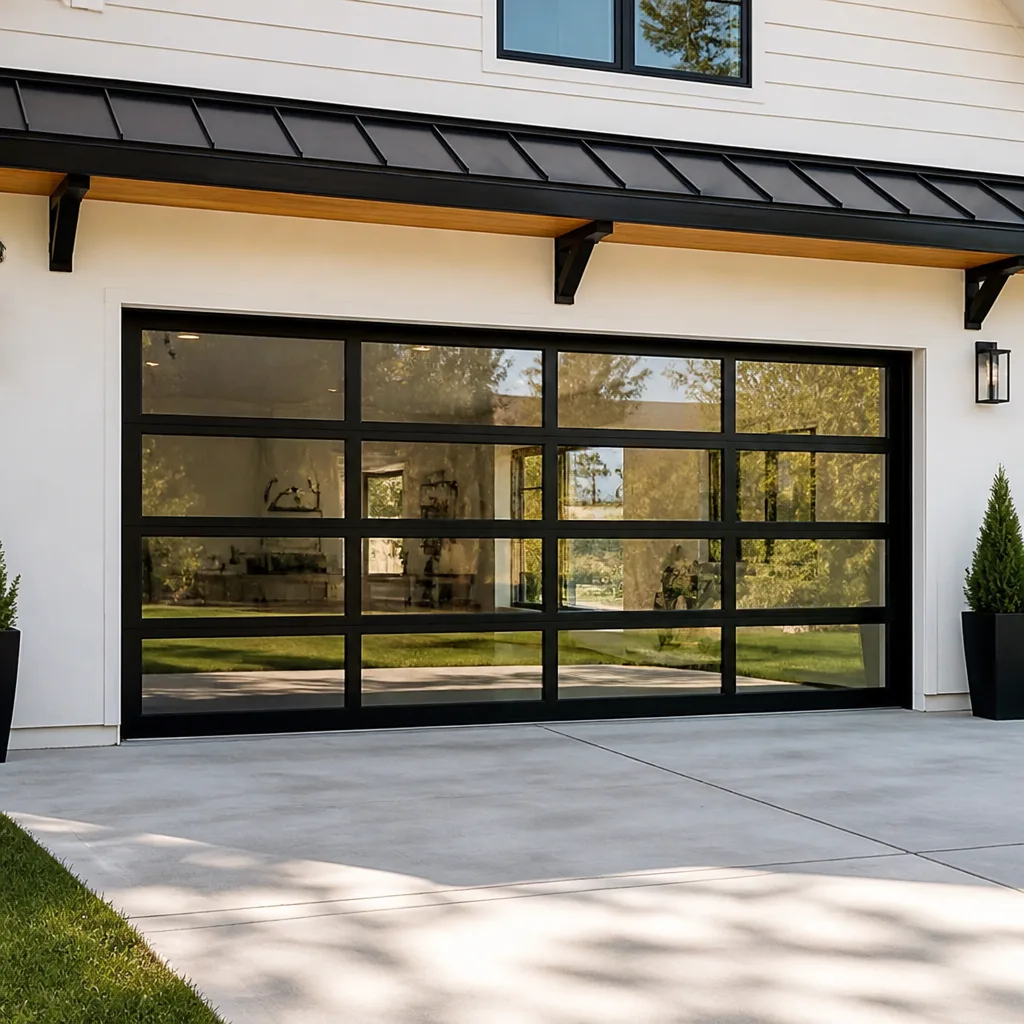 Full-view glass
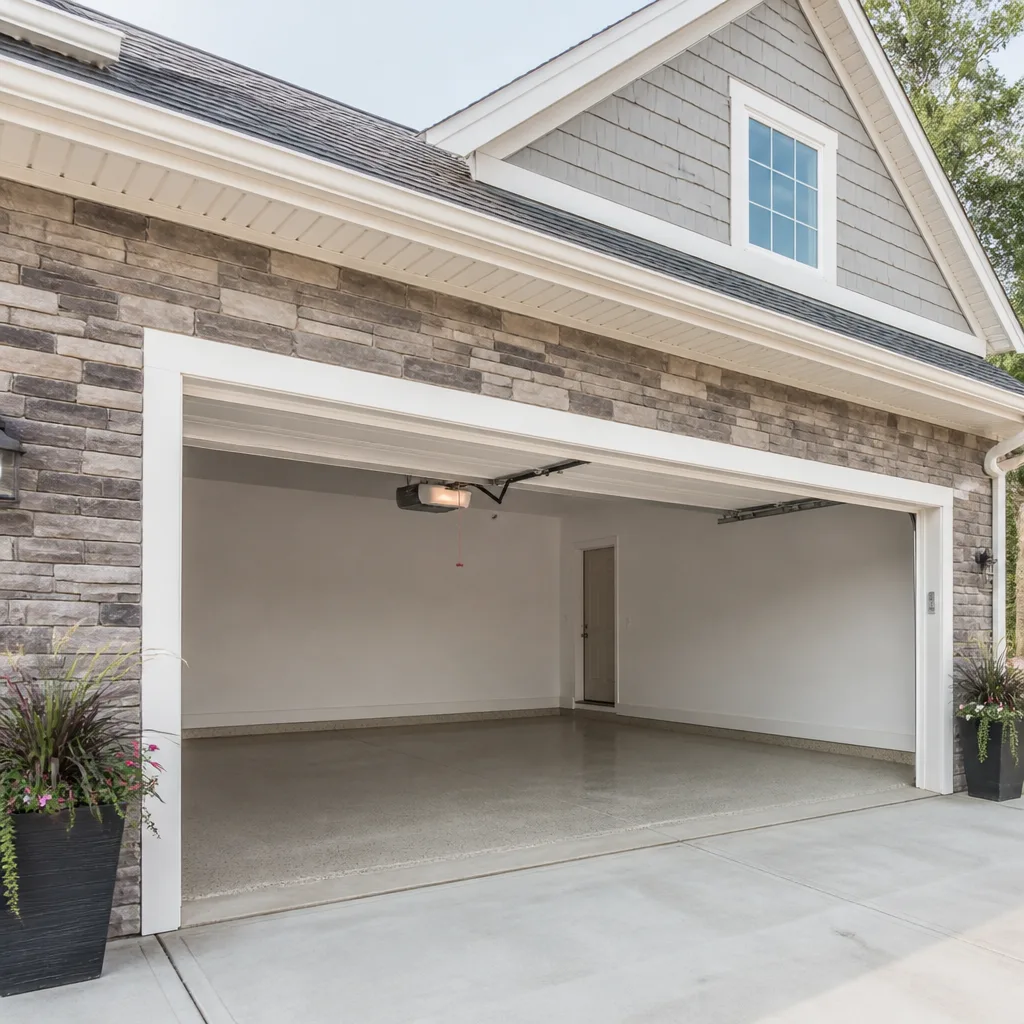 LiftMaster openers
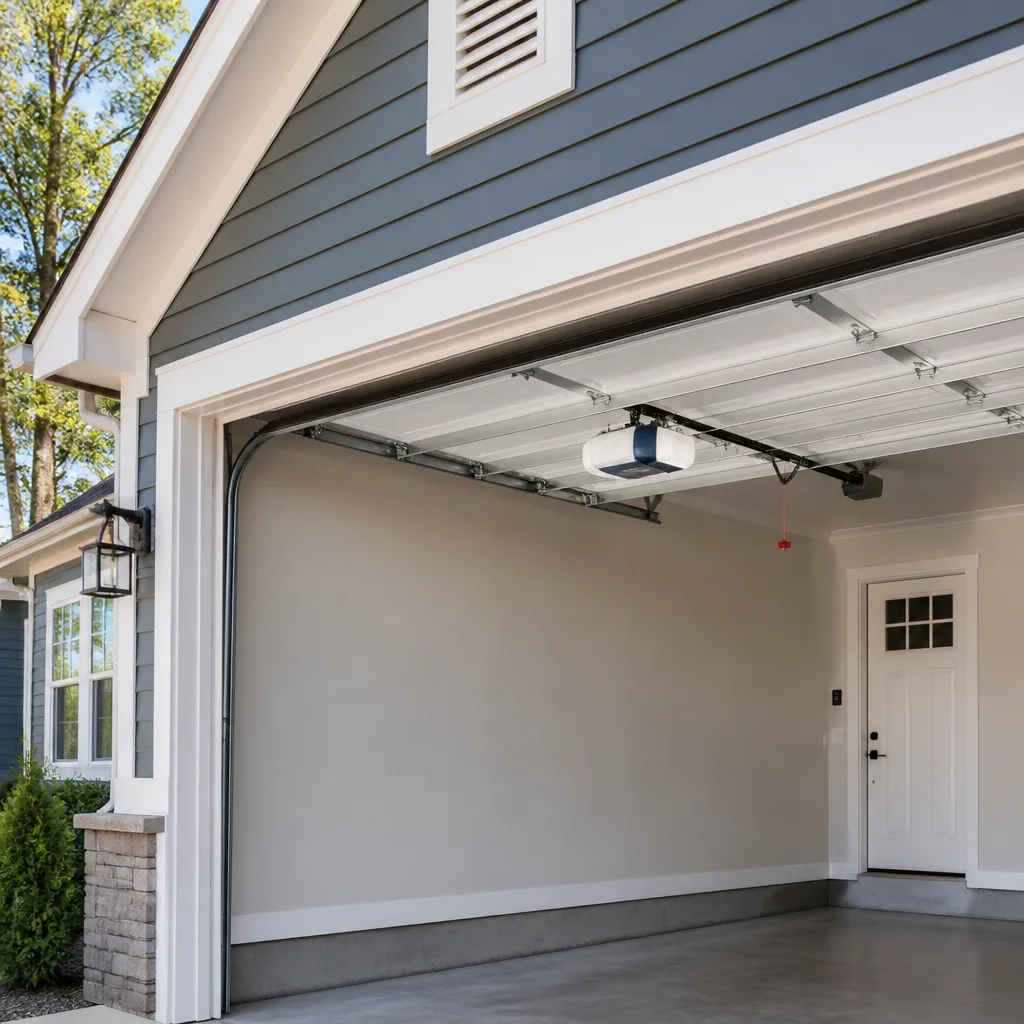 Chamberlain openers
Full 25-point door and opener safety check with every visit - springs, cables, rollers, tracks, and your LiftMaster or Chamberlain opener included
You get a price before we start. It does not change when the pro arrives.
Get your free estimateGarage Door Repair Maintenance Schedule: What to Do and When
Most maintenance checklists treat a torsion spring the same as a weatherseal, and that’s the reason they don’t prevent the failures homeowners actually run into. A spring wears out by cycles, not by the calendar. A rubber seal wears out by time, sun and humidity. If you service everything on the same schedule, you’ll replace some parts far too early and let others fail without warning. The average torsion spring is built for about 10,000 cycles, so at four open-and-close cycles a day you’ll reach that number in under seven years, and you won’t get a courtesy warning when you do. In this guide we’ll lay out a maintenance schedule built around both axes, how often you actually use the door and how the seasons treat it, with the tasks that matter in Greensboro and the two early spring signs worth watching for around cycle 8,000.
Quick Answer
There isn’t one garage door maintenance schedule that fits every home. The correct approach matches each task to the way that component actually wears: springs and rollers by cycle count, weatherseals, lubrication and wood panels by time and environment. A working baseline is a monthly safety check, a seasonal inspection tuned to Greensboro’s humidity and temperature swings, and a professional service every year or two for the moving parts and hardware.
Styles & brands we work with
- Raised-panel steel
- Carriage house
- Modern flush
- Full-view glass
- LiftMaster openers
- Chamberlain openers
Table of Contents
- Cycle-Based vs. Calendar-Based: The Two Clocks Every Door Runs On
- The Monthly Check: Five Minutes That Catch Most Problems
- The Skipped Task That Voids Opener Warranties
- Lubrication: The Right Product for the Right Part
- Seasonal Tasks for Greensboro’s Climate
- How to Log Your Cycle Count Without Guessing
- The Annual Professional Service
- When a Maintenance Task Becomes a Repair
Cycle-Based vs. Calendar-Based: The Two Clocks Every Door Runs On
Every garage door runs on two clocks at once, and the single biggest mistake in published maintenance schedules is treating them as one. Components that carry load and move against friction wear by use. Components that seal, insulate or hold paint wear by time and exposure. A door that opens twice a week and a door that opens eight times a day have the same age but very different lives, and a schedule that ignores that difference is just a checklist.
Here’s how the split breaks down for a typical residential door.
Wear by cycles (use frequency)
- Torsion or extension springs. Rated in cycles. A standard spring is built for roughly 10,000 cycles, and a high-cycle spring for more.
- Rollers. Nylon or steel rollers wear from every pass over the track, and they wear faster on doors with a lot of daily use.
- Hinges. The pivot points take a small hit each time the door articulates, so hinge wear is a pure function of cycles.
- Opener drive gear and belt. Wears down with every open and close the motor drives.
Wear by time and environment
- Bottom weatherseal and side seals. Sun, temperature swings and contact with the floor break them down whether the door moves or not.
- Lubrication. Grease dries out and collects dust over months, so it needs refreshing on a clock, not a counter.
- Wood panels and paint. Wood absorbs and releases moisture with the seasons, and paint fails on a timeframe that has nothing to do with use.
- Track alignment. Metal expands and contracts with temperature, and the ground under the slab can shift.
Build your schedule around both clocks. Springs and rollers get attention based on how often the door runs. Seals, lubrication, paint and track get attention based on the season and the month. That’s the whole idea, and once you’re tracking both, most failures stop arriving as surprises. The parts that fail are the ones nobody was measuring.
The Monthly Check: Five Minutes That Catch Most Problems
A monthly walk-around catches the majority of developing problems before they turn into a morning where the door won’t close. You don’t need tools for most of it, and the whole routine takes about five minutes. Do it with the door down and the opener disconnected only if you need to move the door by hand.
Run through these in order.
- Listen. Stand inside the garage and run the door up and down once. Grinding, squealing or a rhythmic thump is information. A door that suddenly sounds different is telling you something changed.
- Watch the travel. Does the door move evenly, or does one side lag? Uneven travel usually points to a tired roller, a loose hinge or a cable that needs attention.
- Check the balance. Disconnect the opener and lift the door halfway by hand. It should hold roughly where you leave it. If it drops or rises on its own, the springs are out of balance, and that’s a technician call, not a homeowner adjustment.
- Look at the seals. Bottom seal, side seals and the top. Any daylight showing through is air, water and pests coming in.
- Eyeball the tracks and hardware. Look for bent sections, loose bolts or a track that has visibly shifted away from the door.
- Test the safety reverse. That gets its own section below because it matters more than the rest.
None of this is about doing repairs yourself. It’s about knowing what your door normally does so you can spot when it stops. We work on the door you have, whether that’s a Genie opener on an older panel door or a newer Clopay installation, and the single most useful thing you can give a technician when you call is a clear description of what changed.
The Skipped Task That Voids Opener Warranties
The task most homeowners skip, and the one opener manufacturers name explicitly in their documentation, is the monthly force-sensitivity test. It’s also one of the few things you can do in a minute that a warranty actually cares about.
The force setting controls how hard the opener pushes before it decides something is in the way and reverses. An opener with too much force can fail to stop on a person, a pet or an object. A door that has drifted out of balance can also push the opener into a state where it’s working harder than it should, which wears the drive parts faster. Testing it monthly keeps you honest about both.
Here’s the standard procedure, as most manufacturers describe it:
- With the door open and the opener connected, lay a piece of 2×4 flat on the floor under the door’s path.
- Close the door using the opener or remote.
- The door should contact the board and reverse back open within a short distance. If it stalls or pushes down hard, the force setting needs adjusting.
- Repeat the test for the wall control and any remotes you use so you’ve confirmed the whole system, not just one button.
If your door fails this test, don’t keep cycling it while you think about it. Stop using the opener and have the system looked at. Force adjustment is a mechanical and electrical setting inside the motor housing, along with the travel limits and the safety-reverse sensors on the tracks, and it’s best left to a technician who can check all three together. We handle this as part of garage door opener repair, and it’s one of the most common reasons we’re called to a home where the opener “suddenly started acting weird.”
Lubrication: The Right Product for the Right Part
Lubricant choice matters as much as the schedule. The same white lithium grease that’s right for a steel roller and a hinge will damage rubber seals and attract grit into places it doesn’t belong. Most callbacks we see after a homeowner’s first lubrication attempt come down to one of two things: the wrong product in the wrong place, or too much of the right product.
Where to use what
- Rollers, hinges and the torsion bar bearings: a white lithium grease or a dedicated garage door lubricant. Grease stays put on load-bearing metal parts.
- Springs (torsion and extension): a silicone-based spray or a purpose-made spring lubricant. Light, dry film that won’t collect dust.
- Opener drive chain: a chain lubricant rated for the drive, not grease. Too much grease on a chain collects dust and grits up.
- Rubber weatherseals and bottom seal: a silicone spray designed for rubber, or a light application of a silicone-safe rubber treatment. Never white lithium grease, petroleum-based sprays, or any product with a solvent in it. Those soften and crack rubber.
- Wood panel doors: nothing on the panels except the finish. Keep paint and any oil or wax away from the moving hardware.
How often
Twice a year for moving hardware in most homes, and quarterly for a door that cycles more than about six times a day. Seals want a light treatment twice a year. If your garage door is exposed to a lot of dust from nearby work or a gravel drive, plan on refreshing lubrication more often in the dry months and less in the wet ones, since dust does most of the damage.
As a general rule, the right amount of lubrication is less than you think. A thin film on the moving surfaces. If you can see grease pooling, you’ve used too much, and the excess will collect grit and turn into a grinding paste over time.
Seasonal Tasks for Greensboro’s Climate
Greensboro’s seasons hit a garage door in predictable ways. The spring brings weeks of humidity, summer bakes the seals, fall brings its first temperature drops that pull metal tight, and winter finishes the year with the widest temperature swings of the calendar. The schedule below reflects how that plays out from a Greensboro driveway, not from a climate chart.
Spring: humidity checks
- Wood panels. Spring humidity swells wood. Look for panels that have started to bind at the edges, gaps opening at the panel seams, or paint blistering along the bottom rail. Catching swelling early saves a repaint.
- Bottom seal contact. A humid spring makes the floor under the door sweat, and the bottom seal can lift or stick. Check the seal sits flat across the whole width when the door is down.
- Hardware torque check. Bolts and hinges loosen more in a seasonal swing than at any other time of year.
Fall: track gap changes and temperature
- Track gaps. As temperatures drop, the metal tracks and the door panels contract at slightly different rates. Look for a visible gap between a roller and the side of the track, or a roller that rides the edge.
- Balance check. Cold makes springs feel stiffer and a door that balanced in July can feel different in November. Repeat the balance test.
- Opener force. A cold door drags more. Retest the force sensitivity after the first cold snap.
Summer and winter: seal and finish
- Weatherseal condition. Summer sun cracks a rubber bottom seal faster than any other season. Run a hand along the seal on a warm day and check for cracks, flat spots or hardening.
- Paint touch-up. Wood and steel panel doors both benefit from a fall touch-up so the winter moisture can’t get under a compromised finish.
- Gutter and drainage. Water running off a roof or a blocked gutter onto the door and the sill is the fastest way to rot a wood lower panel. Check the downspouts before the fall rain.
For most Greensboro homes, the fall and spring checks are the two that earn their keep. If you only do two seasonal inspections a year, do those.
How to Log Your Cycle Count Without Guessing
You can’t schedule spring service sensibly if you don’t know how many cycles you’ve put on the spring. Fortunately, you don’t have to guess. A cycle count is one of the easiest things to track, and once you start, the spring life question gets honest answers instead of approximations.
Three practical ways to log it:
- Opener trip counter. Many modern openers, including several LiftMaster and Chamberlain models, track open-and-close cycles for their own diagnostics. Check your opener’s manual or the manufacturer’s app for whether a trip counter is exposed. If it is, note the number on the same day each month and the difference is your monthly cycles.
- Estimate from daily habits. Count how many times your household actually opens and closes the door on a normal day. Multiply by seven for a weekly figure, then by 52 for the annual figure. Most families land between two and six cycles a day. Four a day is a reasonable average to plan around.
- Track it with a simple log. A note on the wall, a spreadsheet or a free maintenance app all work. Date, reading, notes. The point is a record you can look back at, not a perfect system.
Then translate the count into a spring life estimate. A standard torsion spring is rated for roughly 10,000 cycles. At four cycles a day, that’s about 2,500 days, or just under seven years. At two cycles a day, it stretches past ten years. At eight, you’re looking at roughly three and a half.
Watch for the two early signs around cycle 8,000. First, a spring that has started to lose its lift, so the door feels heavier by hand or the opener has to work noticeably harder to lift it. Second, a door that no longer holds its balance in the half-open position. Both are warning signs that the spring is nearing the end of its rating, and both are a reason to book a professional inspection rather than wait for the spring to break.
If your door fails the balance test, stop using it and have a technician inspect the springs. Torsion and extension springs are under extreme tension, and adjusting, removing or replacing one without the right tools and training can cause serious injury. We don’t recommend any homeowner attempt spring work, and no maintenance schedule is worth the risk of that. Our technicians work on the actual hardware in your home, whichever brand, and part of what they do on a service call is check spring condition against your cycle count so you know where you stand.
The Annual Professional Service
A yearly professional service is the one item on the schedule that pays for itself in avoided repairs, and it’s the one homeowners most often skip because the door is “working fine.” A professional service covers the parts of maintenance that require tools, training and a ladder, and it catches issues that are hard for a homeowner to see from the ground.
What a full annual service covers
- Spring inspection and cycle count check. Evaluating spring condition against the cycle count, and confirming both springs on a matched pair are wearing together.
- Roller and hinge inspection. Replacing worn nylon or steel rollers and any hinge showing play.
- Cable and drum inspection. Cables fray over time and a frayed cable is a safety issue, not a maintenance note.
- Track alignment and hardware torque. Straightening any bowed track and torqueing every fastener back to spec.
- Opener service. Force sensitivity test, travel limit check, safety sensor alignment, and drive gear and belt inspection.
- Balance test and adjustment. Confirming the door holds where you leave it and adjusting as needed.
- Seal and weatherstrip check. Replacing the bottom seal or side seals as needed.
- Lubrication of every moving part, with the right product on each component.
How often
Once a year is a sensible baseline for a residential door. Consider every other year for a door that cycles less than twice a day, and twice a year for a door that cycles more than eight times a day or is on a wood panel system exposed to Greensboro’s humidity swings. Any door that has been in service long enough to approach cycle 8,000 wants a technician’s eyes on the springs regardless of the calendar.
We work on the actual hardware in the home, not a close approximation. That means a Genie opener on one job, an Amarr door on the next and a Wayne Dalton panel door on the third, and the inspection is the same. From opener to panel, the goal on every service visit is to find the wear before it becomes a breakdown.
When a Maintenance Task Becomes a Repair
Some tasks belong on a homeowner’s calendar. Others cross a line into a skilled repair, and knowing where that line sits is what keeps you out of the emergency call category. The line is different for every component, but a few are clear.
Homeowner tasks
- Monthly visual inspection and listening to the door run.
- Monthly force sensitivity test and safety sensor eye check.
- Twice-yearly lubrication with the right products for each part.
- Bottom seal replacement when the seal is cracked or flattened.
- Keeping the track area free of debris, and cleaning dust off the photocell eyes.
Technician tasks
- Any spring adjustment or replacement, without exception.
- Any work on cables, drums or the torsion bar assembly.
- Force setting, travel limit or safety sensor adjustments inside the opener housing.
- Track straightening after a visible bend or a door that’s come off track.
- Roller or hinge replacement beyond a simple visual inspection.
- Opener drive gear, belt or capacitor work.
The dividing line is simple: if the task involves the door’s lifting mechanism under tension, or the electrical and mechanical settings inside the opener, it’s a technician job. If it involves visual inspection, cleaning, lubrication or a rubber seal at floor level, it belongs to you. Anything in the middle, call and describe it. We’d rather talk you through a simple fix than have you take on a spring job.
Common Mistakes to Avoid
- Treating a spring like a weatherseal. Servicing the spring on a calendar date instead of a cycle count means replacing good springs early and missing tired ones. Track the cycle count and let it tell you when.
- Using white lithium grease on rubber seals. The grease that’s right for a hinge will soften and crack a rubber bottom seal. The seal gets a silicone-safe product, or nothing.
- Skipping the monthly force test. It’s the one task manufacturers name in the warranty documentation, and it’s the one most homeowners skip. Two minutes a month is cheap insurance.
- Lubricating too much. Excess grease collects grit from Greensboro’s spring pollen and summer dust, then turns into a grinding paste on the rollers. A thin film works better than a coating.
- Ignoring seasonal shifts in the fall. The first cold snap in Greensboro is when metal tracks pull tight and rollers start riding the edge. A fall check catches it before the door jams.
- Forgetting wood panels in a humid spring. Wood swells and binds. Left alone, it cracks paint at the panel seams and starts the slow path to rot at the bottom rail. Check the panels as soon as the humidity returns.
- Running a door that failed the balance test. A door that won’t hold in the half-open position is telling you the spring needs attention. Continuing to run it accelerates the wear and risks a break.
See the difference
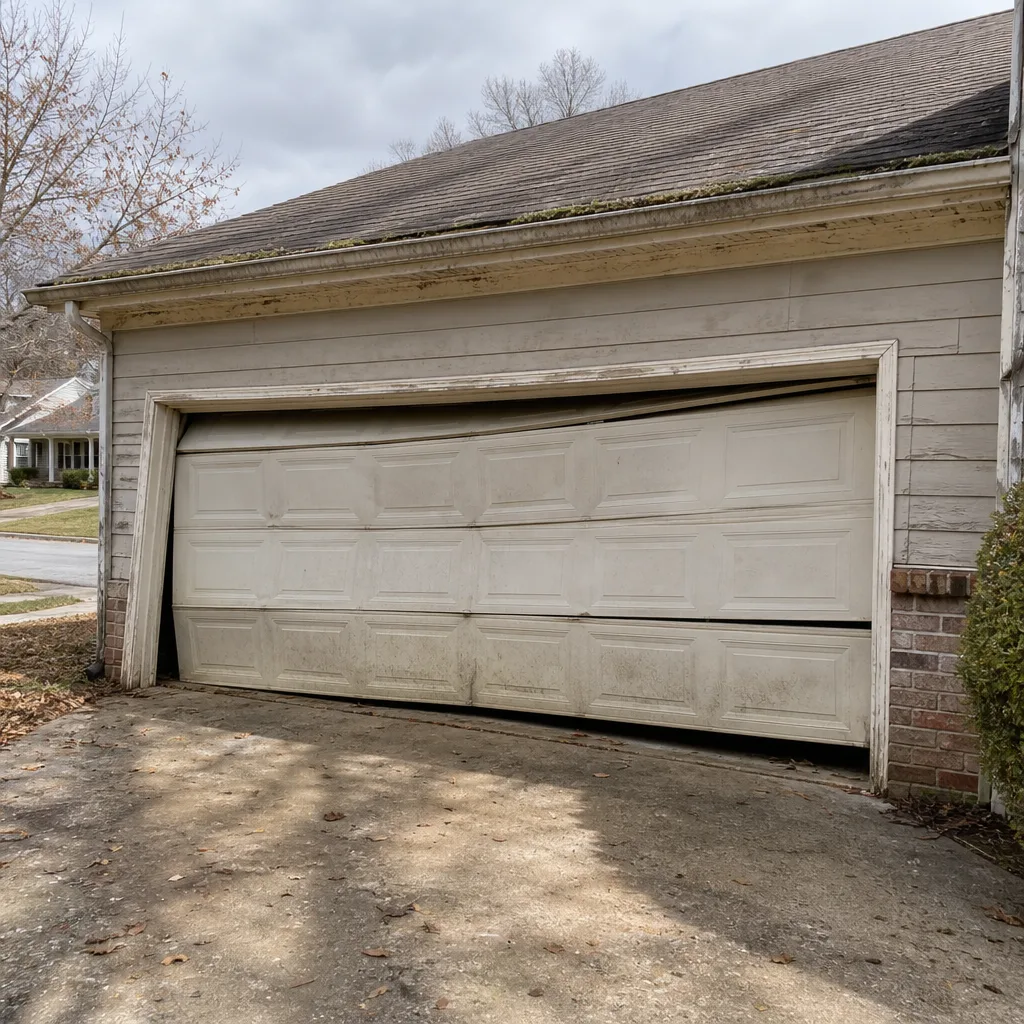 Before
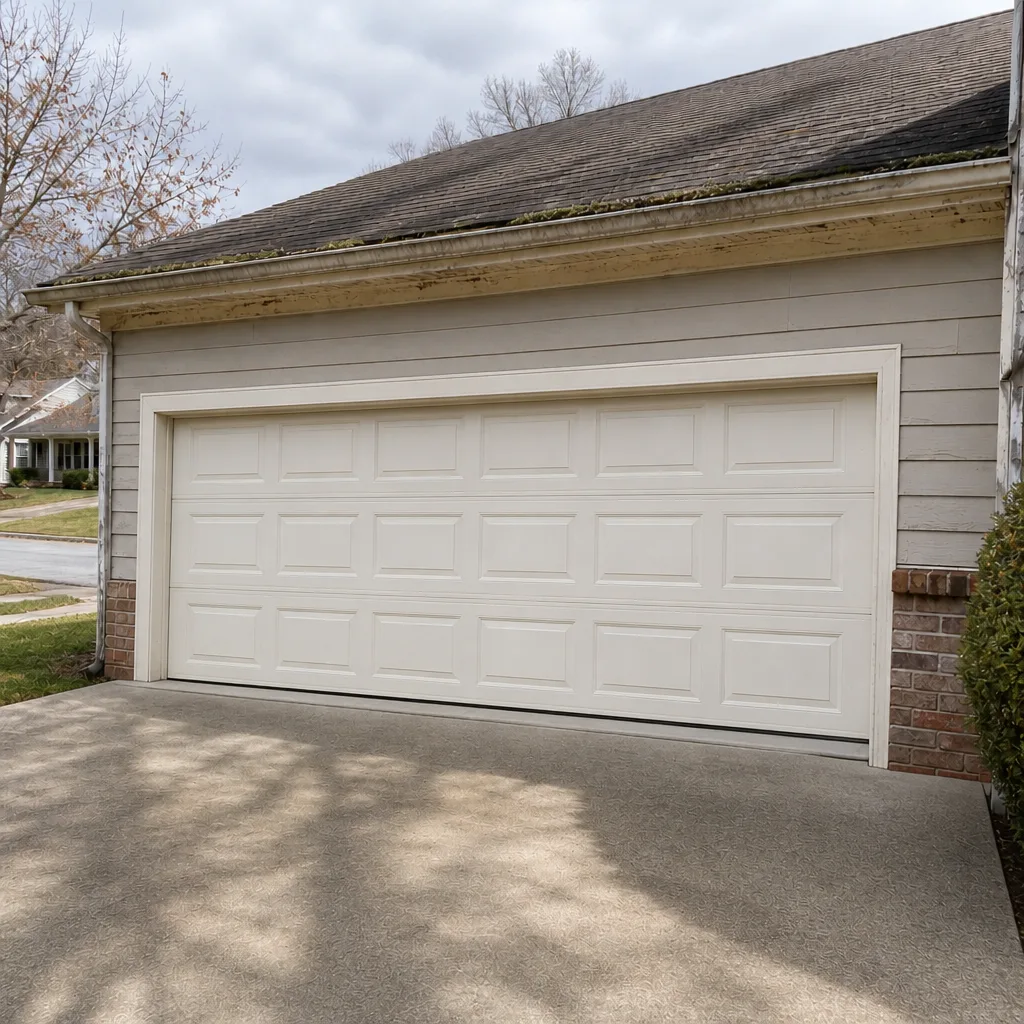 After
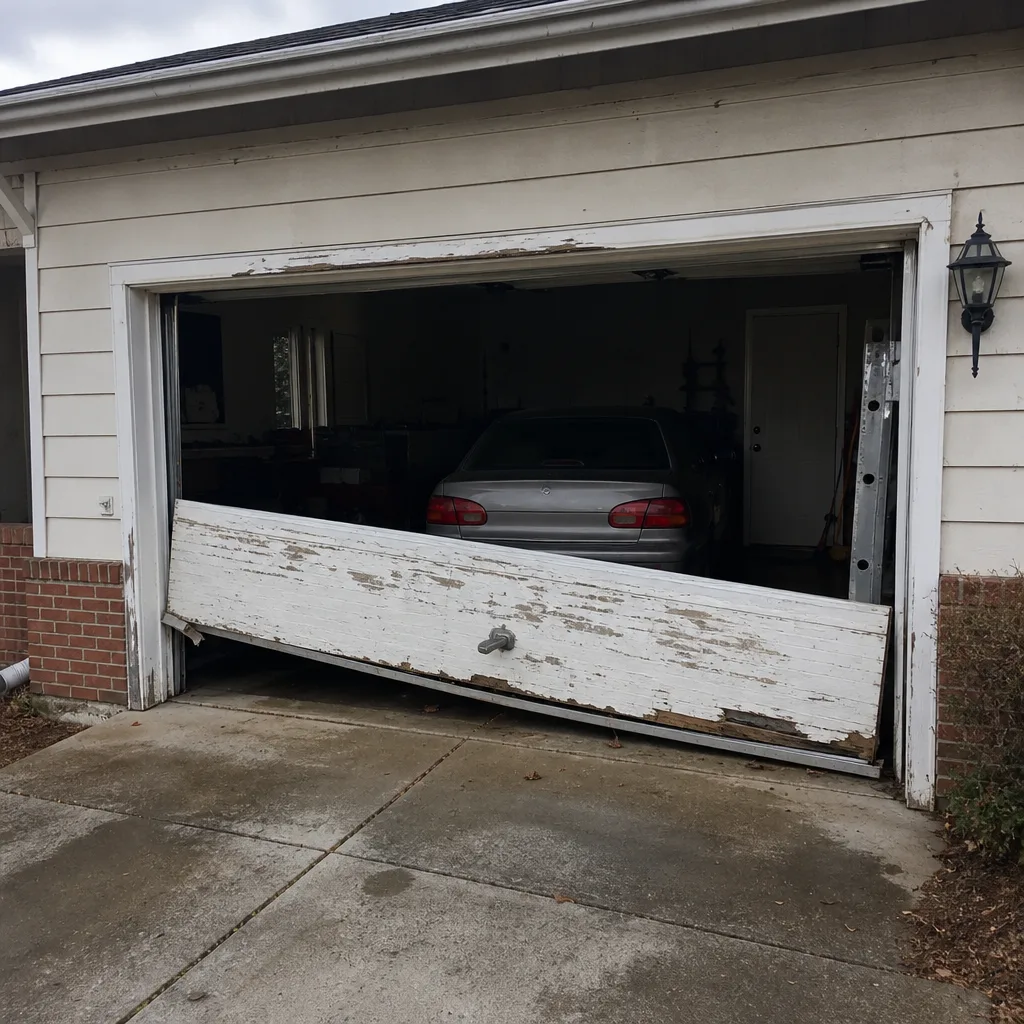 Before
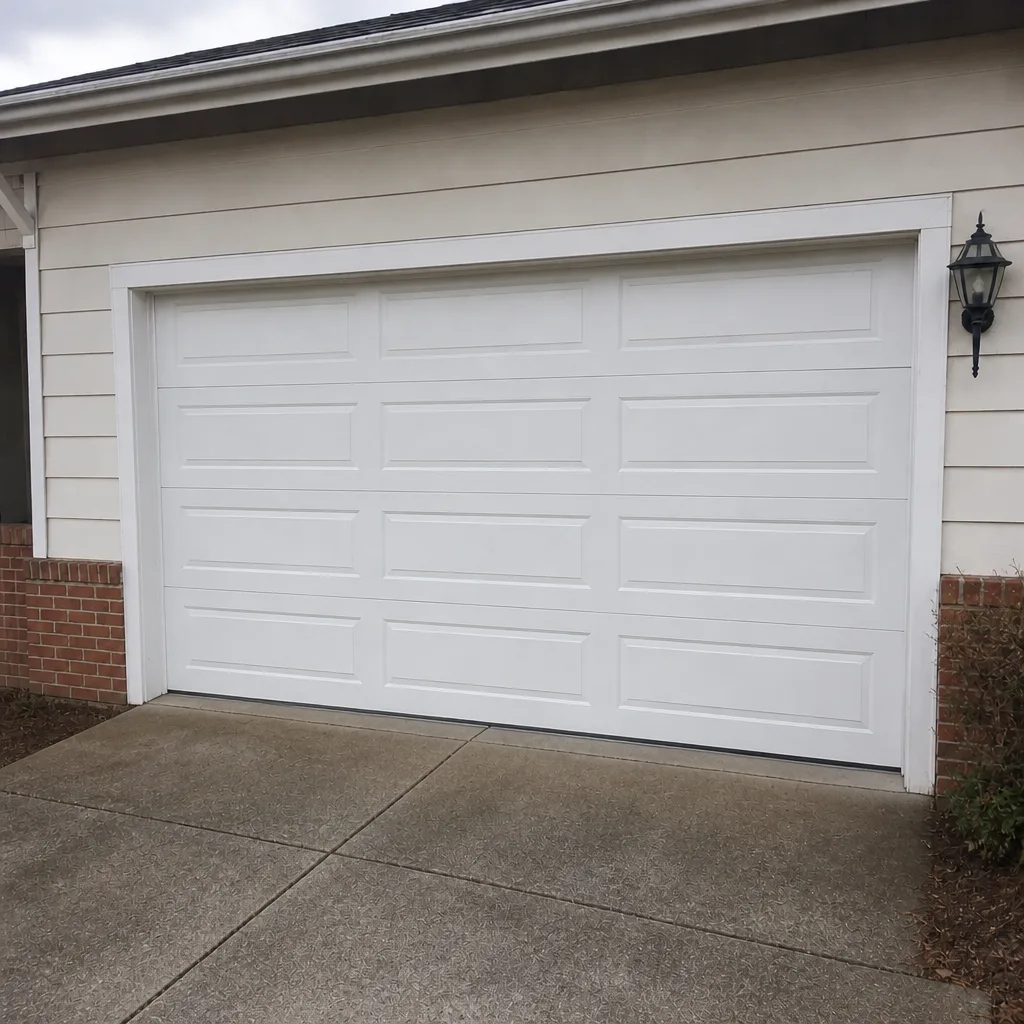 After
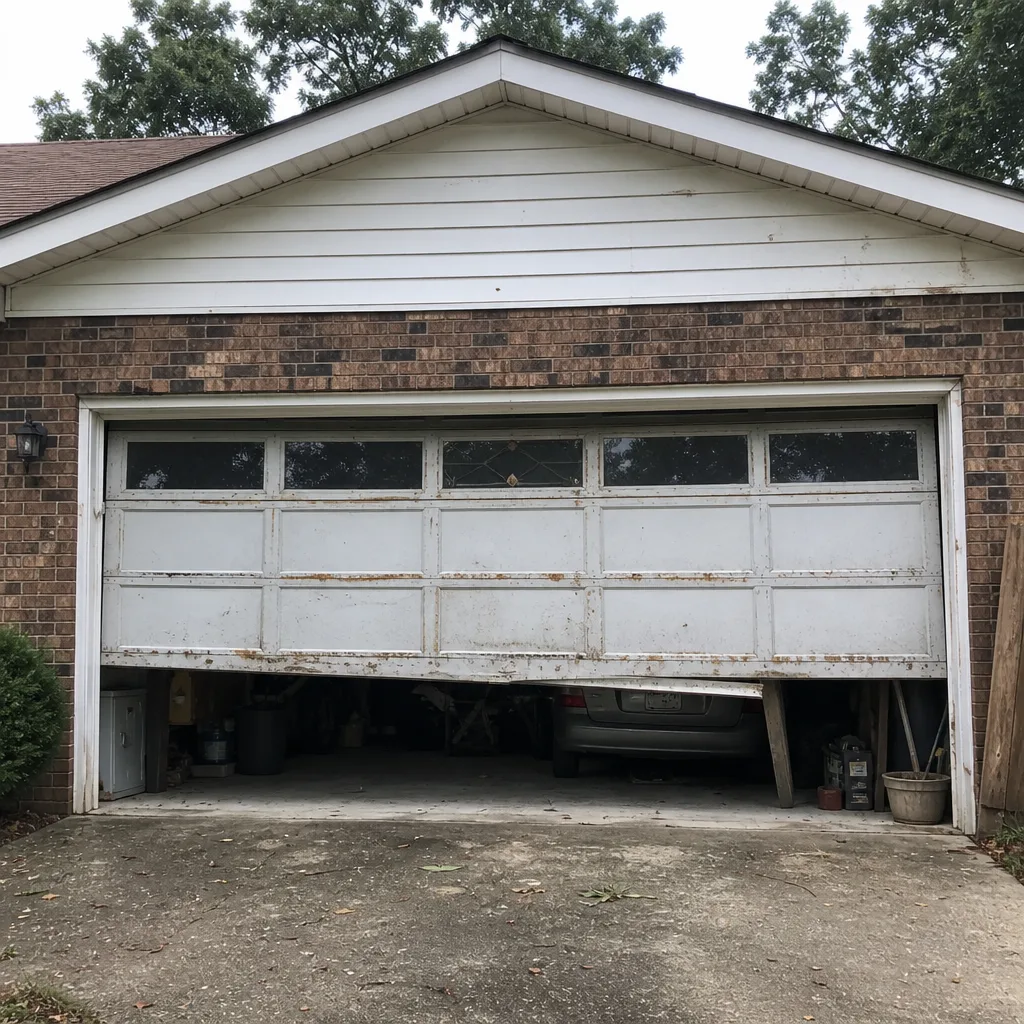 Before
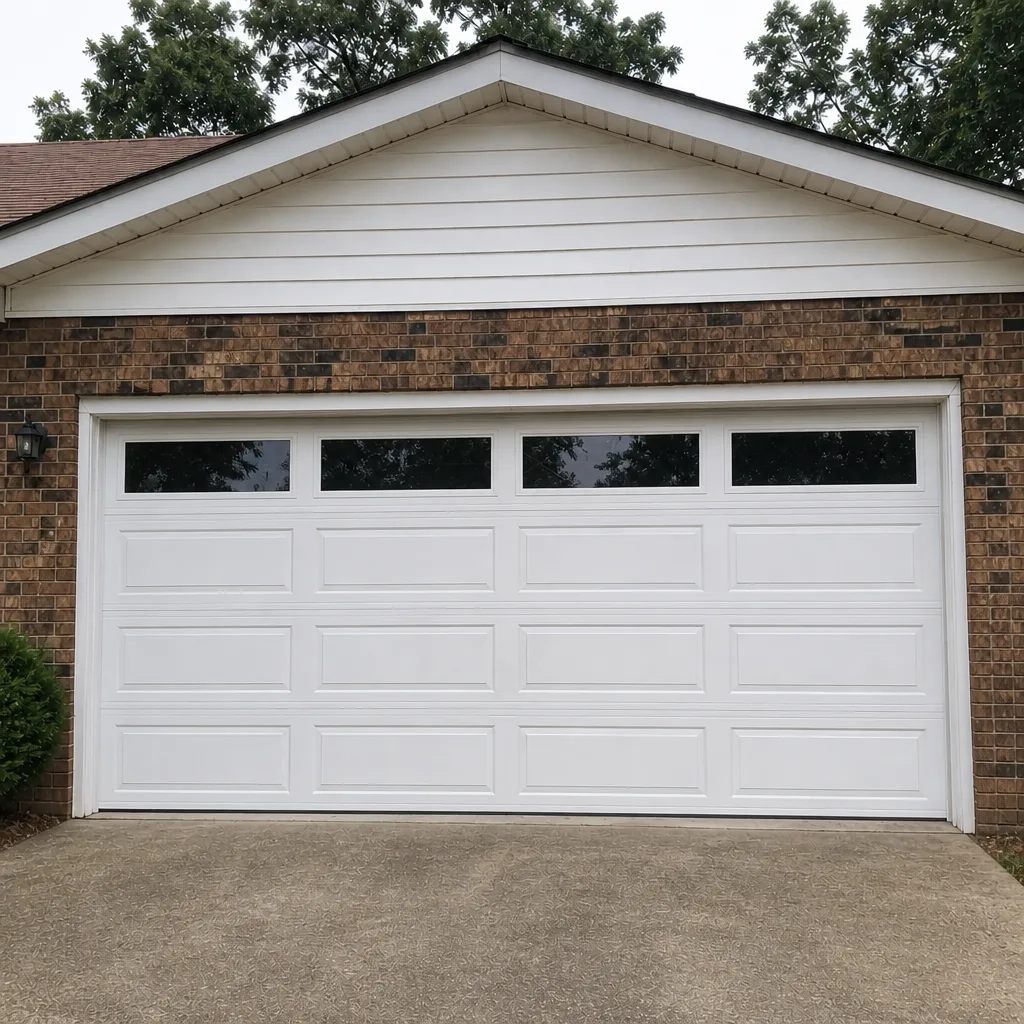 After
When to Call a Professional
Call a technician when the door fails the balance test, when a spring shows either of the two early warning signs around cycle 8,000, or when a cable is visibly fraying or off its drum. Call when the door has come off track, when the opener force test fails and you can’t correct it with the settings in the manual, or when a wood panel or bottom rail shows rot. Call when the door won’t close fully on cool mornings or the opener reverses without a clear reason. Tandem Garage Door Repair offers free estimates in Greensboro. Our technicians have up to 14 years of experience and work on the door you have, including everything from garage door repair to full opener and panel work. Call (855) 554-0021. We answer 24/7. Fast dispatch from 7am to 7pm, Sunday through Friday. The price is quoted and agreed before any work starts, and the written estimate is the price.
Frequently Asked Questions
Once a year is a sensible baseline for most residential doors in Greensboro. A door that cycles more than eight times a day, or a wood panel door exposed to the humidity swings here, benefits from service twice a year, and any door approaching cycle 8,000 wants a technician’s eyes on the springs regardless of the calendar. Call (855) 554-0021 for an exact quote on a service visit, and estimates are free.
Yes, and the monthly check is the cheapest maintenance you can do. Five minutes of listening, watching the travel, checking the balance, looking at the seals and testing the force sensitivity catches most problems while they’re still small. It’s also what keeps the opener force test current, which some manufacturers name in their warranty documentation. If something looks wrong, call (855) 554-0021 and describe it. We’ll tell you if it’s a visit or a repair.
No. In our experience the written estimate sets the price, and we quote and agree it before any work starts. What can change is the scope, if a technician finds something during the job that wasn’t visible in the initial assessment. That gets explained before any additional work, and you decide. Call (855) 554-0021 to book and get a free written estimate.
Our technicians are experienced specialists in residential garage doors and openers, not general handymen, and we work to the licensing and insurance standards that local practice requires. Our technicians have up to 14 years of experience on brands ranging from Genie and Craftsman to LiftMaster, Chamberlain, Clopay, Amarr, Wayne Dalton and Raynor. If you’d like specifics before booking, call (855) 554-0021 and ask.
We can inspect and service a spring once it’s installed, but we don’t install customer-supplied springs, and that’s a safety decision rather than a policy one. Spring tension is the dangerous part of the door, and the installation has to match the door’s weight and cycle count or it won’t be right. Have a technician supply and install the right spring. Call (855) 554-0021 for a free estimate.
The monthly force sensitivity test is the one that matters most, because it’s the test that catches a system that could fail to reverse on a person, pet or object, and it’s the one most homeowners skip. It takes a minute, needs a piece of 2×4, and the procedure is in your opener’s manual. If your door fails it, stop using the door and call (855) 554-0021. We serve Greensboro and the surrounding area. We answer 24/7 and dispatch from 7am to 7pm, Sunday through Friday.
The Bottom Line
A maintenance schedule that actually prevents failures is built on two clocks, not one. Springs, rollers, hinges and the opener drive wear by cycle count, so they get attention based on how often the door runs and how close you are to the roughly 10,000-cycle rating on a standard spring. Seals, lubrication, paint and track alignment wear by time and environment, so they get attention by the month and the season, with the fall track check and spring humidity check standing out in Greensboro. Do the monthly force test, log your cycle count, use the right lubricant on each part, and book a professional service every year or two. When the balance test fails or a spring shows its early warning signs, that’s a technician call, not a homeowner project. From opener to panel, we work on the door you have. If you’d rather have a professional handle the service for you, see Tandem Garage Door Repair and book a free estimate.
Written by the team at Tandem Garage Door Repair.